


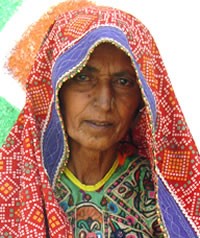

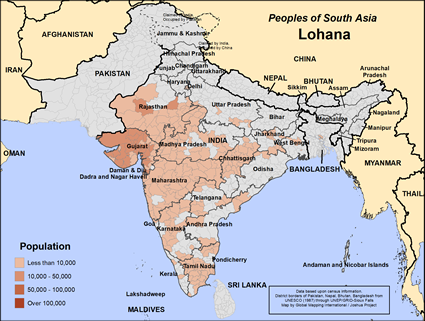
The Lohana are a prominent mercantile and trading community found primarily in Gujarat, Rajasthan, Maharashtra, and Sindh-origin diaspora communities across India and beyond. Historically, the Lohana trace their heritage to northwestern India and often associate themselves with Rajput or warrior ancestry before gradually transitioning into commerce, trade, and business occupations over many centuries. Most Lohana in India speak Gujarati, Kutchi, Hindi, or Sindhi depending on regional background and migration history.
Over time, the Lohana became widely known for entrepreneurship, long-distance trade, finance, shopkeeping, and business leadership. Many families migrated through western India and later throughout East Africa, the United Kingdom, and other global trading centers. Their strong mercantile traditions contributed to economic success in textiles, shipping, retail trade, banking, manufacturing, and modern professional industries. Despite modernization and global migration, family lineage, caste identity, and community associations continue to play important roles within Lohana society.
The community includes several branches, including Hindu and Khoja Muslim-related historical streams, though the group identified here follows Hindu traditions. Religious and social institutions, charitable trusts, and business networks remain influential in preserving community identity and supporting younger generations.
Many Lohana families are involved in business, trade, finance, retail commerce, education, medicine, law, technology, and professional occupations. Entrepreneurship is highly valued, and family businesses are often passed down through generations. Urban living is common, especially in Gujarat and Maharashtra, though some families maintain ties to ancestral towns and villages. Economic conditions are generally more stable than among many rural caste communities, though social expectations surrounding business success and family honor can create pressure within households.
Family relationships are central within Lohana society. Extended families commonly maintain close connections, and marriages are generally arranged within accepted community and subgroup boundaries. Respect for elders, business reputation, and educational achievement strongly influence social life. Community organizations often sponsor educational programs, charitable work, and cultural events that reinforce identity and mutual support.
Meals commonly include Gujarati and western Indian foods such as flatbreads, rice, lentils, vegetables, yogurt, sweets, and regional vegetarian dishes. Religious festivals, weddings, business celebrations, and family gatherings are major social events. Younger generations increasingly pursue global careers and modern urban lifestyles while still maintaining ties to traditional family customs and religious observances.
The Lohana primarily follow Hinduism and are especially associated with Vaishnavite traditions, though some also follow other devotional streams within Hinduism. Worship commonly includes devotion to Krishna, Vishnu, Rama, Shiva, Durga, and family or regional deities. Temple worship, household rituals, offerings, fasting days, and festival celebrations remain important expressions of religious identity.
Many Lohana families are influenced by devotional traditions connected to saints, gurus, and sectarian movements within Hinduism. Religious identity is often closely connected to family heritage, community standing, and cultural continuity. In some households, astrology, sacred vows, ritual purity customs, and reverence for ancestral traditions remain influential alongside formal temple worship.
Although many Lohana are highly educated and globally connected, large numbers still have little understanding of the biblical gospel. Jesus is often viewed as one spiritual teacher among many rather than the crucified and risen Son of God who alone provides forgiveness of sins and reconciliation with God. Social status, strong community identity, and religious tradition can also make openness to Christianity difficult in some families.
The Lohana need faithful biblical witness presented with wisdom, humility, and cultural understanding. Because education, business ethics, and intellectual engagement are highly valued within the community, thoughtful apologetics, Scripture teaching, and relationship-based discipleship are especially important. Many have never heard a clear biblical explanation of grace, repentance, forgiveness, and salvation through Jesus Christ alone.
Spiritually mature churches, Gujarati and Hindi Christian resources, and believers equipped to engage business and professional communities are greatly needed. Existing believers from Lohana or Gujarati-speaking backgrounds also need encouragement and training so they can faithfully share the gospel within their own social and family networks. While many Lohana communities are economically stable, spiritual need remains profound where religious tradition and cultural identity overshadow the truth of the gospel.
Pray that the Lohana people will hear and understand the gospel clearly in their own languages and place their faith in Jesus Christ.
Pray that God will raise up mature believers and church leaders who can wisely and faithfully disciple Lohana families and establish biblically grounded churches among them.
Pray that Lohana men and women involved in business, education, and professional leadership will encounter the truth of Scripture and respond with humility and faith.
Pray that the Lohana people will be adopted through the People Group Adoption program so that ongoing prayer, evangelism, discipleship, and church planting efforts will continue among them.
Scripture Prayers for the Lohana in India.
https://en.wikipedia.org/wiki/Lohana
https://www.britannica.com/topic/Hinduism
https://www.britannica.com/topic/caste-social-differentiation-India
https://www.encyclopedia.com/social-sciences-and-law/anthropology-and-archaeology/people/lohana
| Profile Source: Joshua Project |




