




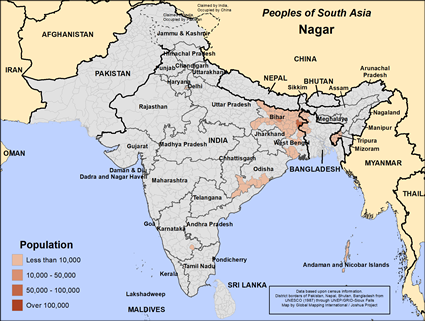
The Nagar are one of the oldest and most prominent Brahmin communities of western India, found primarily in Gujarat, with significant populations in Rajasthan, Maharashtra, and major urban centers across the country. They are commonly known as Nagar Brahmins and are closely associated with the historic city of Vadnagar in northern Gujarat, from which the community is traditionally believed to have originated. Gujarati is their primary language, though many also speak Hindi and English.
Historically, the Nagar gained a reputation for scholarship, administration, diplomacy, and public service. During the Gujarat Sultanate, Mughal period, and later under British rule, many Nagar Brahmins occupied influential positions as ministers, advisors, administrators, teachers, and landowners. Unlike some Brahmin communities whose primary role centered on temple rituals, many Nagar became known for government service, education, law, literature, and commerce.
The community is divided into several traditional branches, including Vadnagara, Visnagara, Prashnora, Sathodara, Krishnora, and Chitroda. Despite migration to cities throughout India and abroad, the Nagar have maintained a strong sense of identity through family networks, community organizations, educational achievement, and preservation of cultural traditions.
The Nagar are generally an urban and highly educated community. Many families are involved in business, education, law, medicine, engineering, information technology, finance, government service, and other professional occupations. Entrepreneurship is also common, and some families operate successful businesses ranging from small enterprises to major commercial ventures.
Education is highly valued, and academic achievement is often encouraged from an early age. Family reputation, professional accomplishment, and community involvement remain important aspects of social life. Extended families frequently maintain close relationships even when living in different cities or countries.
Meals typically reflect Gujarati culture, featuring vegetarian foods such as lentils, vegetables, rice, flatbreads, yogurt, and a variety of regional snacks. Religious festivals, weddings, and family gatherings remain important opportunities to reinforce community identity and pass traditions to younger generations. Although modern lifestyles have influenced many families, respect for elders and strong family ties continue to be widely valued.
The Nagar primarily follow Hinduism and have traditionally been associated with Brahmin religious practices. Many are devoted to Shiva, while others worship Vishnu, Krishna, Durga, and other Hindu deities. Temple worship, household rituals, festival observances, and ceremonies marking major life events remain important parts of religious life.
As a Brahmin community, the Nagar have historically emphasized learning, religious knowledge, and preservation of sacred traditions. Belief in karma, rebirth, dharma, and the authority of Hindu scriptures strongly shapes their worldview. Religious identity is often closely connected to family heritage, cultural tradition, and community status.
Many Nagar families also maintain practices involving astrology, sacred vows, ritual purity, and observance of auspicious dates. While levels of religious devotion vary, Hindu tradition remains a significant part of community identity. Although many Nagar are highly educated and globally connected, most have never embraced the biblical teaching that salvation comes through Jesus Christ alone rather than through religious merit, ritual observance, or spiritual attainment.
The Nagar generally enjoy greater educational and economic opportunities than many communities in India. However, material success and educational achievement do not address humanity's deepest spiritual need. Many Nagar have little exposure to the biblical message of grace, repentance, forgiveness, and salvation through Jesus Christ. Strong cultural and religious traditions can make the gospel seem unnecessary or foreign despite genuine spiritual hunger.
There is a need for thoughtful, respectful gospel engagement that addresses intellectual questions while clearly presenting the claims of Christ. Gujarati-language Scripture resources, mature believers, discipleship materials, and culturally sensitive ministry are needed to help Nagar families encounter biblical truth. Existing Christians in Gujarat also need wisdom, courage, and opportunities to build meaningful relationships with members of this influential community.
Pray that the Nagar people will hear a clear presentation of the gospel in Gujarati and come to understand the grace and salvation offered through Jesus Christ.
Pray that God will raise up mature believers who can build genuine friendships with Nagar families and faithfully share biblical truth with wisdom and humility.
Pray that Nagar leaders in education, business, government, and professional fields will encounter the truth of Scripture and respond in faith to Christ.
Pray that the Nagar people will be adopted through the People Group Adoption program so that ongoing prayer, evangelism, discipleship, and church planting efforts will continue among them.
Scripture Prayers for the Nagar in India.
https://en.wikipedia.org/wiki/Nagar_Brahmin
https://www.nagar.org/community.html
https://nagar.me/
https://en.wikipedia.org/wiki/Vadnagar
https://peoplegroups.org/explore/GroupDetails.aspx?peid=41931
| Profile Source: Joshua Project |




