


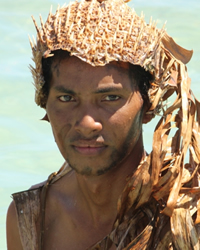

The Tokelauan people are Polynesians whose ancestral home is Tokelau, a group of small coral atolls in the Pacific that has long been administered by New Zealand. Because Tokelauans have New Zealand citizenship, many families have also established strong diaspora communities in New Zealand, especially in the Wellington region and in Auckland, while continuing to maintain ties of kinship, support, and identity with the atolls. Tokelauan identity is often expressed through loyalty to one's atoll community and through shared commitments to unity and mutual care that Tokelauans describe as the Tokelauan way of life. Migration to New Zealand increased in the twentieth century through government policy and practical pressures, and Tokelauan communities in New Zealand have worked to keep language and cultural knowledge alive across generations. Tokelauan is their primary heritage language, and many Tokelauans are also bilingual in English, with some links to Samoan through history and regional relationships.
Tokelauan life in New Zealand is shaped by a close-knit community ethic that prizes respect, service, and care for the vulnerable, even while families navigate the realities of urban life. Many Tokelauans work in the same broad range of occupations as other New Zealanders, and community leadership often develops through churches and cultural associations that organize events, support families in crisis, and help younger people grow up with a clear sense of identity. Extended family networks remain important, and some households choose to live in multi-generational arrangements as a practical way to share costs, raise children together, and keep cultural practices and language in everyday use.
Food in New Zealand commonly blends local staples with Tokelauan flavors and methods, and community gatherings often feature shared meals that reflect the value of hospitality. Seafood, coconut-based foods, and other Pacific Island dishes remain familiar points of connection, even when ingredients are adapted to what is available locally. Important celebrations often center on church life and community-wide cultural events. Tokelau Language Week in New Zealand encourages families to speak Tokelauan and pass it on, and large gatherings such as tournaments and festivals bring communities together through sports, music, and dance, reinforcing unity and belonging across generations.
Christianity is the dominant religious identity among Tokelauans, and church life has a strong influence on community rhythms, moral teaching, and shared expectations about family and behavior. Historically, Tokelau's atolls were shaped by both Protestant and Roman Catholic missionary work, and those Christian traditions remain significant among Tokelauans today. In New Zealand, many Tokelauans continue to express faith through regular worship, church-based community support, and Christian ceremonies that mark major life events.
Community strength can be tested when families are spread across cities and generations grow up with less daily exposure to Tokelauan language and customs. Language maintenance is especially challenging in diaspora settings, and many families feel the weight of passing on identity while also helping children succeed in school and work. Housing pressures, health concerns common in Pacific communities, and the emotional strain of isolation from close kin networks can also affect well-being, especially for elders and for households carrying heavy responsibilities.
Spiritual needs remain central even where Christianity is widely identified. A strong Christian identity does not automatically produce mature discipleship, and many communities benefit when Scripture is taught clearly, when forgiveness and reconciliation are practiced, and when believers are equipped for personal holiness and public compassion. Where there is a meaningful gospel presence, Tokelauan believers are well placed to become part of the global discipleship force by praying, giving, and going to peoples who have little or no access to the gospel.
Pray for Tokelauan families in New Zealand to experience stability, good health, and supportive housing, especially for elders and vulnerable households.
Pray for Tokelauan children and youth to grow in wisdom and confidence, and for language and cultural knowledge to be passed on faithfully within homes and communities.
Pray for deeper, Scripture-shaped discipleship among Tokelauan Christians, with leaders raised up who model humility, integrity, and compassion in the name of Jesus.
Pray that Tokelauan churches and believers in New Zealand will send workers and support to peoples who still live without a clear gospel witness.
Scripture Prayers for the Tokelauan in New Zealand.
https://teara.govt.nz/en/tokelauans/page-1
https://teara.govt.nz/en/tokelauans
https://blog.tepapa.govt.nz/2013/11/02/from-tokelau-to-new-zealand-tokelau-language-week-2013/
https://www.tokelau.org.nz/About+Us/Culture.html
https://www.matauala.org.nz/tokelauan-way
https://www.mpp.govt.nz/latest-news/honouring-tokelaus-culture-and-language-in-new-zealand/
https://www.mpp.govt.nz/programmes-and-funding/pacific-languages/pacific-language-weeks/tokelau-language-week/
https://en.wikipedia.org/wiki/Religion_in_Tokelau
https://www.everyculture.com/Oceania/Tokelau-Religion-and-Expressive-Culture.h
(https://www.everyculture.com/Oceania/Tokelau-Religion-and-Expressive-Culture.html)
| Profile Source: Joshua Project |



