



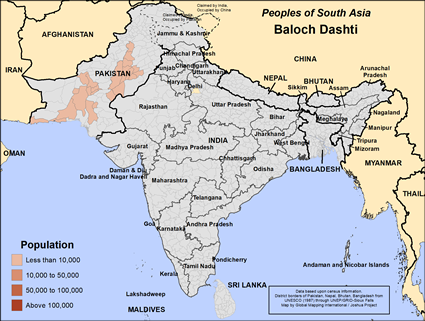
The Dashti Baloch are one of the many Baloch tribal communities living primarily in the Balochistan region of southwestern Pakistan. They are part of the wider Baloch ethnic world that extends across Pakistan, Iran, and Afghanistan. The Dashti speak Balochi, a Northwestern Iranian language with several regional dialects that remain central to Baloch identity and oral tradition.
The origins of the Baloch peoples are debated and preserved largely through oral history, tribal genealogy, and regional tradition. Historical evidence suggests that Baloch tribes migrated eastward over centuries into the areas now known as Balochistan. During the Mughal period, the region became widely known by that name. The Dashti are recognized as one of the historic Baloch tribal groupings within this broader tribal society.
Baloch society has traditionally been organized around tribal loyalty, clan relationships, and strong codes of honor and hospitality. The Dashti Baloch, like many Baloch tribes, have maintained a distinct identity despite political instability, economic hardship, and outside pressures affecting the region over many generations. Christian witness among the Dashti Baloch has remained extremely limited, and many have never heard a clear explanation of the gospel.
The Dashti Baloch traditionally depend on a combination of farming and semi-nomadic herding. Sheep, goats, and cattle are important to household survival and local trade. Because much of Balochistan is dry and rugged, agriculture can be difficult, yet wheat and other crops remain important parts of the local economy. Some families also gather wild plants and seasonal foods to supplement daily needs.
Family, tribe, and clan identity are central within Dashti Baloch society. Tribal elders and local leaders traditionally help resolve disputes and guide community decisions. Hospitality, courage, loyalty, and protection of family honor are deeply valued cultural traits throughout Baloch society. Oral poetry, storytelling, music, and tribal history continue to play important roles in preserving identity and passing traditions to younger generations.
Life in Balochistan can be difficult because of drought, limited infrastructure, poverty, and political instability. Many rural communities face challenges related to education, healthcare, employment, and transportation. Younger generations increasingly migrate to towns and cities seeking economic opportunity, creating tension between preserving tribal traditions and adapting to modern life.
Food commonly includes flatbreads, rice, tea, yogurt, dates, meat, and locally available grains and vegetables. Community gatherings, weddings, and tribal festivals remain important occasions for strengthening social and family ties.
The Dashti Baloch are primarily Sunni Muslims. Islamic belief shapes community customs, family life, moral expectations, and major religious observances. Daily prayers, fasting during Ramadan, mosque attendance, and participation in Islamic festivals are important parts of religious life.
Alongside formal Islam, some Baloch communities also retain folk beliefs involving saints, charms, dreams, blessings, curses, and fear of unseen spiritual powers. Tribal customs and traditional practices may influence religious life alongside Islamic teaching. Religion is closely tied to ethnic and tribal identity, making conversion to Christianity socially difficult in many communities.
Very few known believers exist among the Dashti Baloch. Many have never encountered a follower of Jesus Christ who could explain the gospel clearly in their own language and cultural setting. Access to biblical teaching, discipleship, and Christian fellowship remains extremely limited.
The Dashti Baloch need greater access to the gospel through culturally understandable evangelism, Scripture resources, and long-term discipleship. Many have little understanding of biblical Christianity or the message of salvation through Jesus Christ alone.
Practical needs are also significant throughout many Baloch regions. Rural communities often face poverty, water shortages, educational barriers, limited healthcare access, unemployment, and poor infrastructure. Political tensions and instability in Balochistan have added additional hardship for many families.
The Dashti Baloch would benefit from oral Bible resources, audio Scripture recordings, medical outreach, literacy efforts, vocational assistance, and compassionate long-term Christian presence. There is also a need for mature believers willing to learn Balochi language and culture in order to build meaningful relationships over time.
Pray that the Dashti Baloch people would hear the gospel clearly and come to trust in Jesus Christ alone for salvation.
Pray that God would raise up faithful Christian workers who are willing to serve among the Dashti Baloch with humility, wisdom, and perseverance.
Pray that the Dashti Baloch would be adopted through the People Group Adoption program so they receive sustained prayer, ongoing gospel engagement, and future discipleship efforts.
Pray that any believers among the Baloch peoples would grow strong in biblical faith and boldly share the truth of Christ with neighboring tribes throughout Balochistan.
Scripture Prayers for the Baloch Dashti in Pakistan.
https://en.wikipedia.org/wiki/Baloch_people
https://en.wikipedia.org/wiki/Balochi_language
https://voiceofbalochistan.pk/tribes/
https://www.thebalochnews.com/2020/06/30/the-baloch-tribe-and-its-history/
https://thestandard.com.pk/origins-of-the-baloch/
https://ojs.mrj.com.pk/index.php/MRJ/article/view/455
https://www.researchgate.net/publication/339060171_The_Baloch_nationalism_in_Pakistan_Articulation_of_the_ethnic_separatism_after_the_end_of_the_Cold_War
| Profile Source: Joshua Project |




