


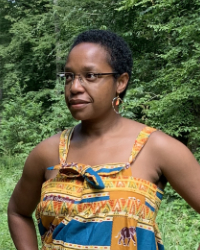

The Detribalized Cameroonian Creole are people in Cameroon who come from diverse ethnic backgrounds but now primarily identify with an urban Creole-speaking culture rather than a specific traditional tribe. They are located across much of the country, including the Littoral, West, Center, South, East, Adamawa, North, and Far North regions.
Their identity formed over generations as people from many ethnic communities moved into cities, interacted through trade, schooling, and employment, and adopted a more blended cultural expression. Urbanization and mobility encouraged the lessening of strict ties to ancestral clans, creating a population that is distinctly Cameroonian but not defined by a single tribal heritage. Their linguistic and cultural environment reflects the country's wide ethnic diversity, with Cameroon often described as an "ethnic crossroads" with more than 200 groups represented nationally.
The Detribalized Cameroonian Creole typically live in towns and cities, working in a wide variety of occupations. Many are engaged in commerce, transportation, construction, government services, teaching, and small-scale entrepreneurship—roles common in Cameroon's urban centers. Their food reflects the national diet, including staples such as plantains, cassava, maize, fish, and rice, often seasoned with local spices and influenced by both coastal and inland culinary traditions found throughout Cameroon's diverse ethnic landscape.
Families often include both nuclear and extended members, though the urban context tends to encourage smaller household units than in rural communities. Despite being "detribalized," they still participate in many national and regional celebrations. These include civic holidays, Christian festivals, weddings, community gatherings, and cultural events shaped by Cameroon's rich mix of traditions and indigenous languages.
Their primary religious affiliation is Christianity, consistent with the main religious identity listed for this group on major demographic sources. Churches are common in urban centers, and many participate in a variety of Christian expressions. Although Christianity is widely present, spiritual maturity and biblical grounding vary, and some blend Christian practice with local cultural beliefs or general secular urban values.
They face the physical needs common to urban populations in developing nations: adequate employment, affordable housing, dependable transportation, and access to quality healthcare. Education opportunities vary, and many desire improved schooling and vocational pathways for the next generation.
Spiritually, they need continued discipleship, stronger engagement with Scripture, and fellowship communities that encourage transformation in daily life. As they live within one of Africa's most ethnically diverse countries, they also need unity and hope amid social pressures, economic challenges, and rapid cultural change.
Pray for stable employment, improved housing, and quality healthcare in the urban centers where many of them live.
Pray for families to thrive—encouraging healthy relationships, resilience, and hope in a fast-changing society.
Pray for strong discipleship movements that deepen faith and equip believers to share Christ faithfully.
Pray that mature believers among them will serve as a gospel force to reach less-reached peoples throughout Cameroon.
Scripture Prayers for the Cameroonian Creole, Detribalized in Cameroon.
https://www.britannica.com/place/Cameroon/People
https://www.afrodiscovery.com/country/cameroon/cameroon-tribes-languages/cameroons-cultural-diversity-exploring-ethnic-groups-and-indigenous-languages/
| Profile Source: Joshua Project |




