Mbangala is the same as Imbangala. They originated in the 1500s as a warrior society and became mercenary soldiers in the 1600s-1800s. They were noted for their cruelty and cannibalism. The Mbangala recruited members by capturing boys. Around 1617 the Portuguese colonists used them as mercenaries against the Ndongo Kingdom and neighboring tribes. In the early 20th century Mbangala became the name for a specific ethnic group that lived in the former Kasanje Kingdom.
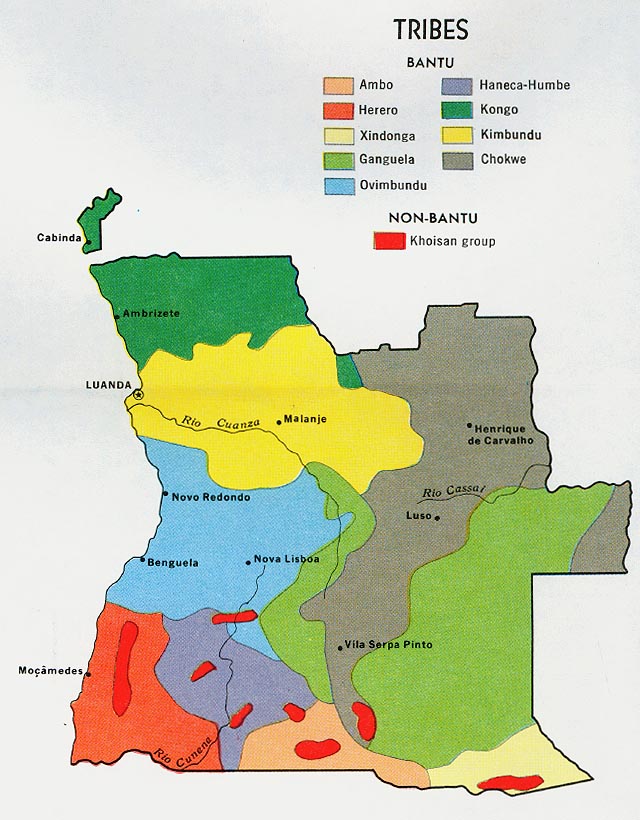
The Mbangala people are found almost exclusively in Angola. They live primarily in the northeast Malanje province, with separate areas in south central (Canhica area), western Lunda Norte province, very small areas in eastern Uíge and northwestern Lunda Sul provinces, and a community in Luanda. They speak Mbangala (also called Imbangala), a Bantu language in the Niger-Congo family.
Detailed, up-to-date ethnographic information specifically on modern Mbangala recreation is limited. Like many rural Bantu communities in Angola's Malanje province and surrounding areas, their daily lives center on agriculture (farming crops and possibly livestock). Recreation is typically integrated into community and family life rather than formalized activities.
Music and rhythmic dance are central to Angolan culture and likely play a big role in Mbangala communities during festivals, harvests, weddings, and religious or ancestral ceremonies. Traditional drumming, singing, and group dances foster social bonds. Football (soccer) is hugely popular across Angola and likely among younger Mbangala. Children engage in informal games, wrestling, or outdoor play. In broader Malanje region, activities tied to nature (e.g., around rivers or savanna) may occur. People of all ages gather for storytelling for recreation and to preserve their culture.
The Mbangala are roughly evenly divided between Christianity (primarily nominal or marginal Roman Catholic) and traditional ethnic religions (ancestor worship and spirit practices). Though about half are listed as Christian, their hearts are often more aligned with traditional gods, and traditional African religion remains an important part of their lives.
The Mbangala people need improved discipleship among existing believers and a deeper, transformative faith in Jesus Christ that moves beyond nominal Christianity. They would benefit from holistic development, including agricultural support, education, and healthcare in their rural areas.
Pray for the Holy Spirit to send revival fire to Mbangala families, villages, and churches.
Pray that soon Mbangala Christians will be evangelizing and discipling those who lack a gospel witness.
Pray for the better schools and medical clinics.
Scripture Prayers for the Mbangala in Angola.
https://en.wikipedia.org/wiki/Imbangala
https://www.britannica.com/topic/Imbangala
| Profile Source: Joshua Project |