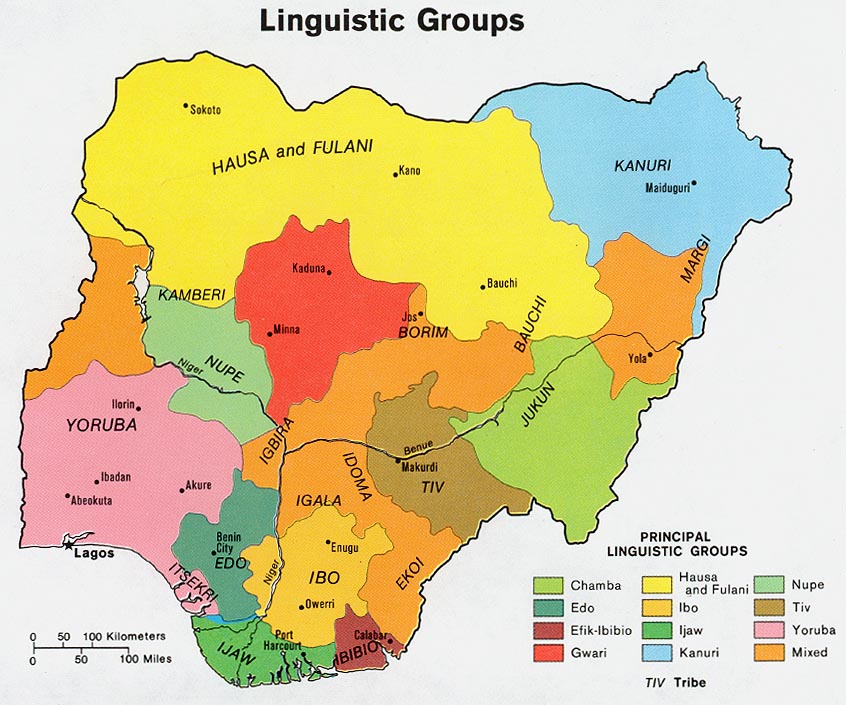
Hyas live in Cameroon and Nigeria. In Nigeria, they live primarily in Adamawa State where they have maintained their distinct ethnic identity for generations. They speak the Hya language, which belongs to the Adamawa branch of the Niger-Congo language family. This language serves as an important marker of their cultural heritage and community bonds. The Hya have historically been part of the diverse ethnic mosaic of northeastern Nigeria, living alongside numerous other people groups in a region marked by both cultural richness and significant challenges. Their history has been shaped by the broader patterns of migration, trade, and political change that have characterized this part of West Africa over the centuries.
The Hya people are primarily agriculturalists who depend on farming for their sustenance and livelihood. They cultivate crops suited to the semi-arid climate of northeastern Nigeria, including grains, legumes, and other staples that can withstand the challenging environmental conditions of the region. Many families also keep livestock such as goats, sheep, and chickens, which provide additional food security and income. Village life centers around extended family compounds where multiple generations often live in close proximity, sharing responsibilities for farming, childcare, and household tasks. The Hya maintain strong kinship ties that shape social obligations, marriage patterns, and community decision-making processes. Traditional leadership structures continue to play an important role in village governance and conflict resolution.
Access to education remains limited in many Hya communities, with children often needed to help with agricultural work during planting and harvest seasons. Healthcare facilities are scarce, forcing many to travel considerable distances for medical treatment. The region's security challenges have created additional hardships, occasionally disrupting farming activities and limiting mobility.
The Hya people primarily identify as Christians, but their worldview is strongly affected by ethnic religions that have been passed down through generations. Their spiritual worldview centers on the worship of ancestral spirits and various spiritual forces believed to influence daily life, agricultural success, health, and community welfare. Ritual specialists and elders serve as intermediaries between the community and the spirit world, conducting ceremonies to ensure good harvests, protect against misfortune, and maintain harmony with spiritual powers. Ancestors are honored and consulted for guidance, as they are believed to continue playing an active role in the affairs of their descendants. The Hya worldview integrates spiritual explanations for natural phenomena, illness, and both prosperity and hardship. Community festivals and ceremonies mark important agricultural cycles and life transitions, reinforcing social cohesion and cultural identity.
The Hya people face significant challenges that affect every aspect of their lives. The community requires improved access to clean water sources, as many villages rely on contaminated water that contributes to widespread illness, particularly among children. Healthcare infrastructure is desperately inadequate, leaving people vulnerable to preventable and treatable diseases. Educational opportunities remain severely limited, with few schools available and even fewer teachers trained to provide quality instruction. Agricultural development assistance would help families increase crop yields and adopt more sustainable farming practices that could improve food security. The region's security situation creates ongoing uncertainty and occasionally prevents farmers from accessing their fields safely. Infrastructure development, including better roads and transportation options, would connect Hya villages to markets and services.
They need Bible translation work begun so that God's word can speak to them in the language of their hearts. They need to experience the love of Christ demonstrated through both word and deed, showing that God cares for their physical struggles while offering the eternal hope found only in Jesus.
Pray that God would call committed believers to live among the Hya people, learning their language and culture in order to effectively share the gospel message.
Pray for the beginning of Bible translation work so that the Hya can encounter God's word in their own language.
Pray that the Holy Spirit would prepare Hya hearts to receive the good news of Jesus Christ and that many would turn from fear and darkness to the light and freedom found in him.
Pray for the emergence of strong Hya believers who would boldly share their faith with family and neighbors, leading to a church planting movement.
Pray for improved access to clean water, healthcare, and education that would demonstrate God's love for the Hya in practical ways.
Pray that Hya communities would experience the peace, hope, and transformation that come only through a relationship with Jesus Christ.
Pray for the Lord of the harvest to send workers who will persevere despite difficulties and trust God for spiritual breakthroughs that will lead them to joyful faith in the only savior.
Scripture Prayers for the Hya in Nigeria.
Ethnologue: Languages of the World. "Hya: A language of Nigeria." SIL International.
Peoplegroups.org. "Hya of Nigeria." International Mission Board.
| Profile Source: Joshua Project |