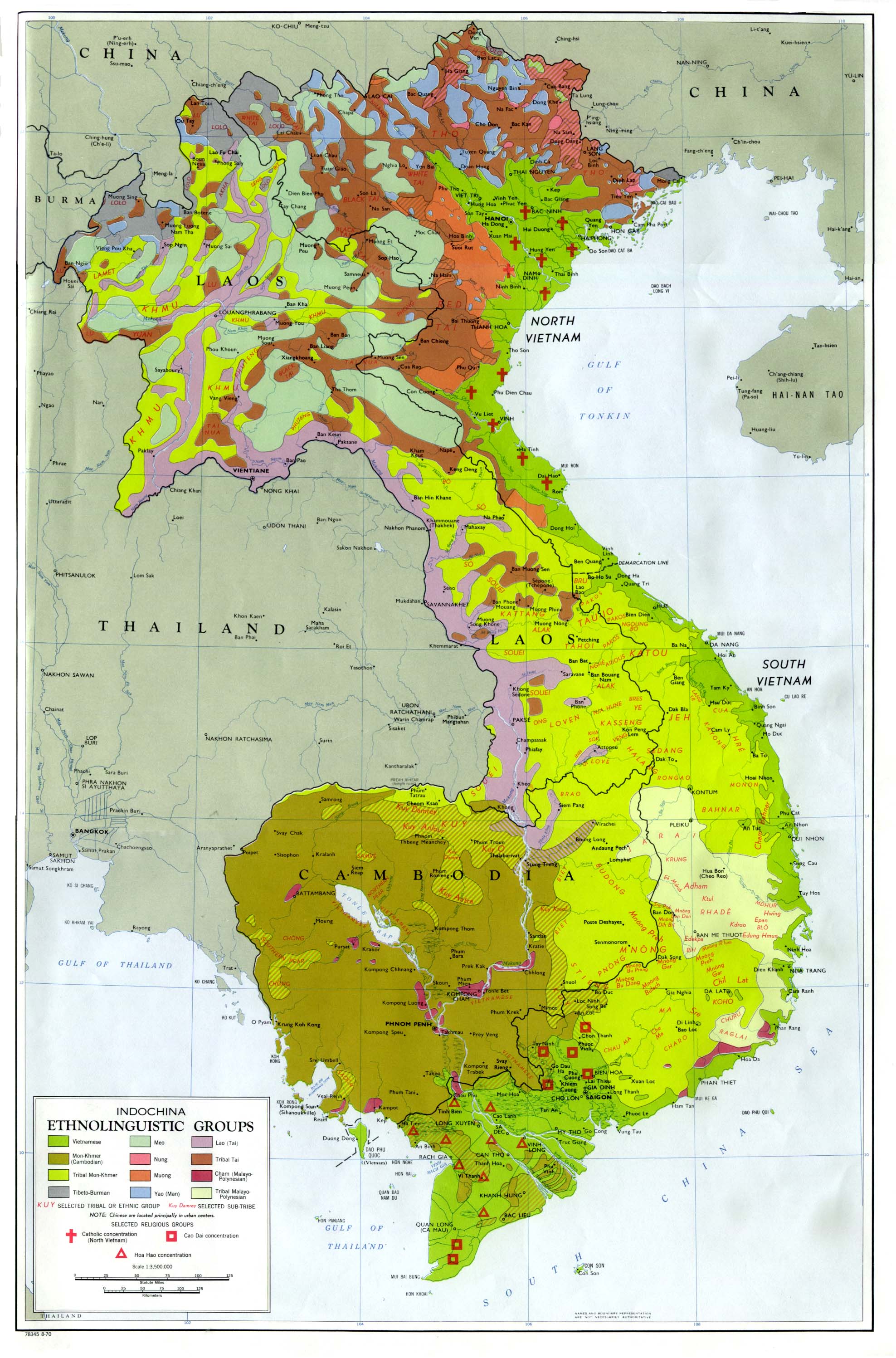

The Silur people are a small ethnic group living in the mountainous regions of northern Laos, particularly in areas near the border with China. They are closely related to other groups within the Tibeto-Burman linguistic family, and their language reflects these connections. In addition to their own speech, some Silur people also use Lao for trade or interaction with government structures, though fluency may be limited in more isolated villages.
Historically, the Silur are believed to have migrated southward over generations, settling in remote highland areas where they could maintain a degree of separation from dominant lowland populations. This isolation has helped preserve elements of their identity, though it has also limited access to education, infrastructure, and outside influences. Their history is largely preserved through oral tradition, with stories and customs passed down within families and communities. Despite gradual change, many Silur communities still retain a strong sense of continuity with their past.
Daily life among the Silur is shaped by the demands of a highland environment. Most families rely on subsistence agriculture, often using slash-and-burn methods to cultivate rice, maize, and vegetables. Fields are typically located on hillsides, requiring hard physical labor and careful timing throughout the agricultural cycle. Food security can vary depending on harvest success, making each season significant.
Homes are usually built from wood and bamboo, raised slightly off the ground and constructed with practical simplicity. Villages tend to be small and scattered, with close-knit relationships among residents. Daily routines involve farming, tending animals, gathering forest products, and maintaining the household.
Meals are centered on rice, supplemented by vegetables, wild plants, and occasional meat from hunting or livestock. Cooking is done over open fires, and meals are shared within the family. Clothing may combine traditional styles with modern garments, reflecting gradual exposure to outside markets.
Family and community structures remain strong. Elders are respected, and their role in guiding decisions and preserving traditions is important. Social life often includes communal cooperation, storytelling, and participation in events that mark key moments such as marriages or seasonal transitions. While some modernization is occurring, many Silur communities continue to live in ways that are closely tied to their environment.
The Silur primarily follow traditional ethnic religions that center on a belief in spirits and unseen forces. These beliefs involve a genuine reliance on spiritual beings thought to influence health, weather, crops, and personal well-being. Ancestors and local spirits are often viewed as active participants in daily life, requiring respect and regular offerings.
Rituals are performed to seek favor, protection, or healing. When illness or misfortune occurs, it is commonly understood as the result of spiritual imbalance or displeasure, leading families to consult spiritual specialists who guide ceremonies and sacrifices. This system of belief shapes decision-making and fosters a sense of caution toward the unseen world.
There is little known presence of Christianity among the Silur, and many have not yet encountered the message of the gospel in a clear or understandable way. The Bible teaches that salvation comes through Jesus Christ alone, who has authority over all spiritual powers. Without access to this truth, many Silur continue to live with uncertainty and fear regarding the spiritual forces they seek to appease.
The remoteness of Silur communities creates significant challenges in accessing healthcare, education, and economic opportunity. Greater infrastructure, including roads and medical services, would improve overall well-being and reduce vulnerability to preventable diseases. Educational opportunities, especially those that respect their language and culture, could open new pathways for future generations.
Agricultural support is also important, as improved techniques and resources could increase food stability and reduce the risks associated with shifting cultivation. Clean water and sanitation remain ongoing concerns in many villages.
Spiritually, there is a need for the gospel to be shared in the Silur language so that it can be clearly understood. Cross-cultural workers and local believers who are equipped to disciple others would help establish a strong foundation for the growth of the church. Over time, the development of Scripture resources and trained leaders would enable the Silur to grow in faith and participate in the wider body of Christ.
Pray that the Silur would gain improved access to healthcare, education, and clean water.
Pray that the gospel would be translated and communicated clearly in the Silur language.
Pray for workers who are willing to serve among the Silur with love, wisdom, and compassion.
Pray that the Silur would come to trust in Jesus Christ and find freedom from fear of spiritual forces.
Scripture Prayers for the Silur in Laos.
https://www.peoplegroups.org
https://www.ethnologue.com
https://www.britannica.com/place/Laos
https://www.omf.org
| Profile Source: Joshua Project |