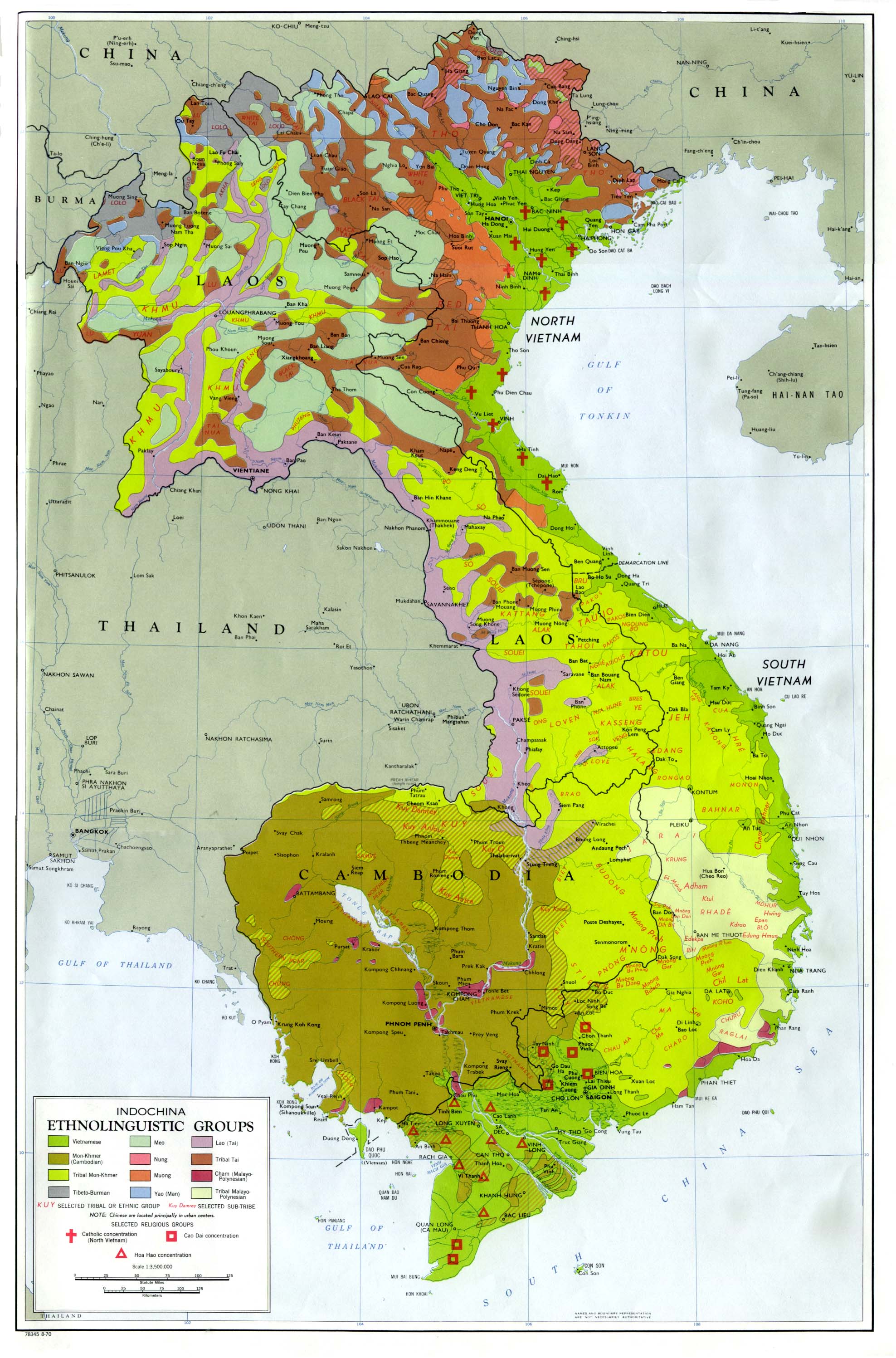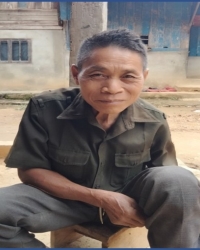

The Seng people are a small and little-known ethnic group living in southern Laos, particularly in remote areas near the borders with Vietnam and Cambodia. They are generally linked to the Mon-Khmer linguistic family, and their language reflects this heritage, though it remains largely unwritten and is used primarily within their own communities. Many Seng people also have limited ability in Lao for trade or interaction with officials, but their heart language continues to define their identity.
Historically, the Seng have lived in relative isolation in forested and mountainous regions. This isolation has helped preserve their distinct cultural patterns while also restricting access to broader development and services. Their history is not recorded in written form but is instead passed down orally through stories, customs, and communal memory. Over time, some outside influences have begun to reach their communities, yet much of their traditional way of life remains intact.
The Seng live primarily as subsistence farmers, with daily life centered on agriculture. Rice is their staple crop, supplemented by maize, cassava, and various vegetables. Shifting cultivation is commonly practiced, requiring families to move or rotate fields to maintain soil fertility. In addition to farming, hunting, fishing, and gathering from the forest contribute to their diet and livelihood.
Villages are typically small and consist of homes built from bamboo, wood, and thatch. These structures are practical and suited to the local environment. Daily routines are shaped by the agricultural calendar, with planting, tending, and harvesting occupying much of the year. Work is shared among family members, reinforcing strong household cooperation.
Meals are simple and based largely on rice, accompanied by vegetables, herbs, and occasionally fish or meat. Food is prepared over open fires, and eating together strengthens family bonds. Resources can be limited, and families must carefully manage what they have.
Family and community relationships are central to Seng life. Extended families often live close to one another, and elders are respected for their wisdom and leadership. Social interaction includes storytelling, shared labor, and participation in events that mark important life stages. While modernization is slowly influencing some areas, many Seng communities continue to live in ways closely tied to their natural surroundings.
Most Seng people identify with Buddhism, which shapes their understanding of life, merit, suffering, and the path toward a better existence. Buddhist practices such as giving, observing rituals, and seeking merit are often seen as important ways to influence one's future, both in this life and beyond. Temples and religious observances may play a role in community life, even in more remote settings.
At the same time, many Seng also place trust in traditional spiritual beliefs that emphasize the influence of spirits and unseen forces. These beliefs are not merely symbolic; they reflect a genuine dependence on spiritual beings thought to affect health, crops, and daily well-being. Rituals and offerings may be performed to seek protection or to restore balance when problems arise.
This blending of Buddhism with spirit-centered practices can leave people without certainty about forgiveness or peace with God.
Seng communities face challenges related to limited access to healthcare, education, and clean water. Their remote location makes it difficult for government services and development efforts to reach them consistently. Improved infrastructure would help address many of these issues and provide greater stability.
Agricultural support could increase food security and reduce the risks associated with shifting cultivation. Access to education, particularly in forms that respect their language and culture, would open new opportunities for younger generations.
Spiritually, there is a great need for the gospel to be communicated in the Seng language. Workers who are willing to live among them, build relationships, and share biblical truth with clarity and compassion are essential. Over time, discipleship and leadership training would help establish a strong and growing church within the Seng community.
Pray that the Seng would gain access to healthcare, education, and clean water.
Pray that the gospel would be translated and clearly communicated in their language.
Pray for Christian workers who will serve among the Seng with faithfulness and love.
Pray that the Seng would come to know Jesus Christ and experience freedom from fear of spiritual forces.
Scripture Prayers for the Seng in Laos.
https://www.peoplegroups.org
https://www.ethnologue.com
https://www.britannica.com/place/Laos
https://www.omf.org
| Profile Source: Joshua Project |