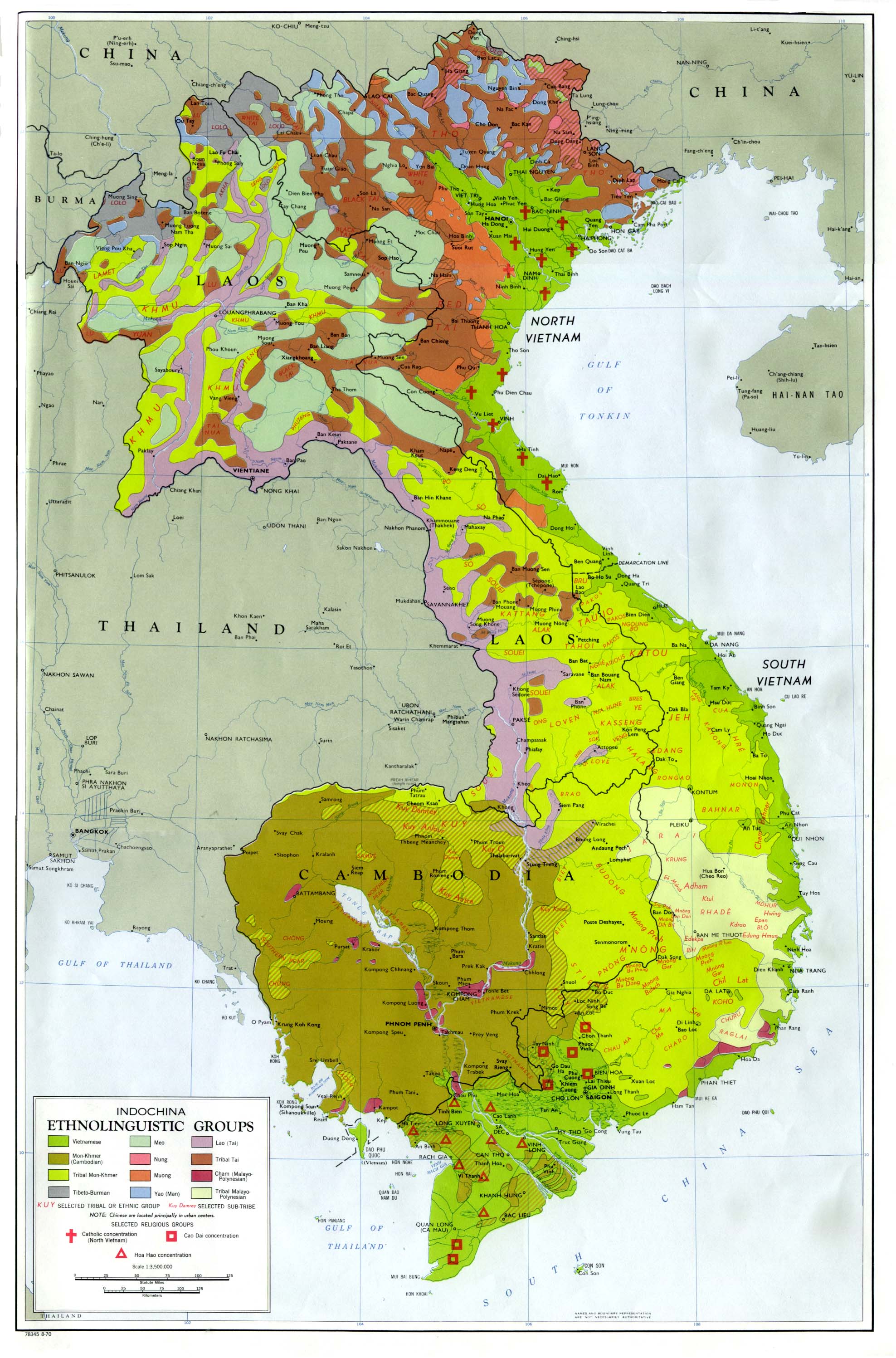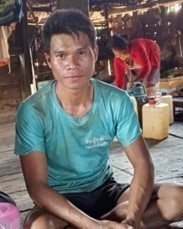

The Sanak people are a small ethnic group living in southern Laos, particularly in remote areas near the borders with Vietnam and Cambodia. They are generally associated with the Mon-Khmer linguistic family, and their language reflects this connection, though it is primarily oral and not widely written. Many Sanak also speak some Lao for communication beyond their villages, but their own language remains central to their identity and daily life.
Historically, the Sanak have lived in relative isolation in forested and mountainous regions. This separation has allowed them to preserve aspects of their distinct culture, while also limiting their access to education, healthcare, and economic development. Their history is largely maintained through oral tradition, with stories and customs passed down from one generation to the next. Although outside influences have gradually increased, many Sanak communities continue to maintain a lifestyle closely tied to their environment.
Life among the Sanak is centered on subsistence agriculture. Most families grow rice as their primary staple, along with crops such as maize, cassava, and vegetables. Shifting cultivation is commonly practiced, requiring periodic movement of fields to maintain productivity. Hunting, fishing, and gathering forest resources also contribute to their food supply.
Villages are typically small and consist of homes constructed from bamboo, wood, and thatch. These houses are simple but well suited to the local climate. Daily life follows the rhythm of the agricultural seasons, with planting, tending, and harvesting shaping the work of the community. Labor is shared among family members, and cooperation is essential.
Meals are usually based on rice, accompanied by vegetables, herbs, and occasionally fish or meat. Food is prepared over open fires, and families often eat together, reinforcing strong relational bonds. Resources can be limited, so careful stewardship is necessary.
Family and community relationships play a central role in Sanak society. Extended families often live near one another, and elders are respected for their wisdom and leadership. Social life includes shared work, storytelling, and participation in events that mark important life transitions. While some aspects of modern life are gradually appearing, many Sanak communities continue to reflect long-standing patterns of rural living.
The Seng people primarily follow traditional ethnic religions centered on a deep trust in spiritual forces that are believed to influence every aspect of life. These beliefs are not merely cultural traditions but active expressions of faith, shaping how individuals understand illness, success, and daily events. Spirits connected to ancestors, the natural environment, and specific locations are often viewed as powerful beings who must be respected and appeased.
Rituals and offerings are commonly performed to seek protection, healing, or blessing. When difficulties arise, they are often interpreted as signs of spiritual imbalance or displeasure, leading families to consult spiritual specialists who guide ceremonies intended to restore harmony. This worldview fosters a strong dependence on unseen powers and can also create ongoing fear of offending them.
There is little known Christian presence among the Seng, and many have not yet heard the gospel in a clear and understandable way. Scripture teaches that Jesus Christ alone has authority over all spiritual powers and offers forgiveness, peace with God, and new life. Without access to this truth, the Seng continue to rely on spiritual systems that cannot provide the assurance found only in Christ.
Sanak communities often face challenges related to limited access to healthcare, education, and clean water. Their remote locations make it difficult for consistent services to reach them. Improved infrastructure would enhance quality of life and provide greater opportunities for growth and stability.
Agricultural support could strengthen food security and reduce the risks associated with shifting cultivation. Educational opportunities, particularly those that are accessible in their own language, would benefit younger generations and help communities engage more effectively with the wider society.
Spiritually, there is a need for the gospel to be communicated clearly in the Sanak language. Cross-cultural workers and local believers equipped for discipleship would help lay a foundation for lasting spiritual growth. Over time, the development of Scripture resources and trained leaders would enable the Sanak to grow in their understanding of God's Word and participate in the broader mission of the Church.
Pray that the Sanak would gain access to healthcare, education, and clean water.
Pray that the gospel would be clearly communicated in their own language.
Pray for workers who will serve among the Sanak with humility and perseverance.
Pray that the Sanak would come to know Jesus Christ and find true peace in Him.
Scripture Prayers for the Sanak in Laos.
https://www.peoplegroups.org
https://www.ethnologue.com
https://www.britannica.com/place/Laos
https://www.omf.org
| Profile Source: Joshua Project |