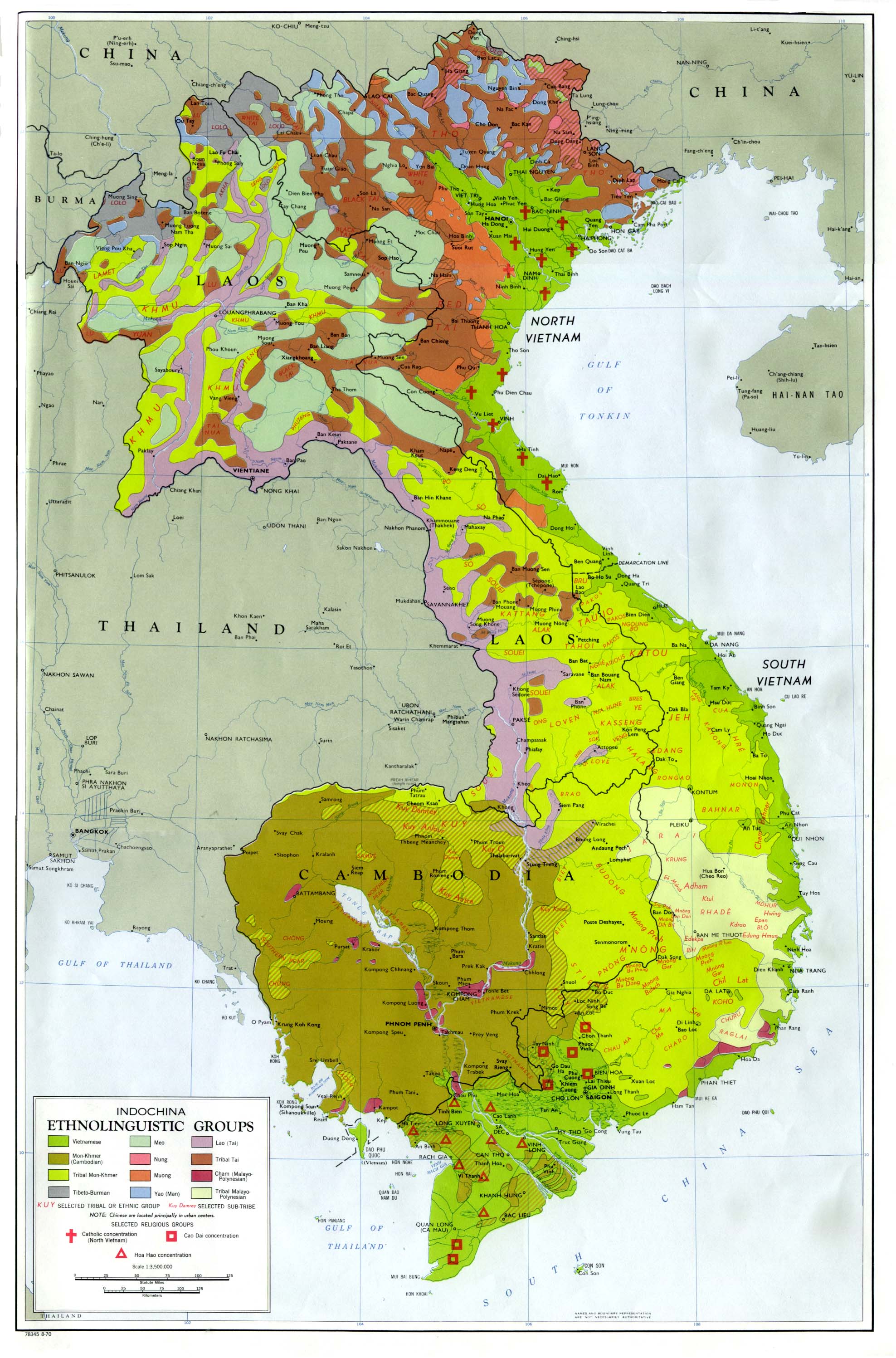
The Puang are a distinct ethnic group residing in the upland regions of Laos. Their roots stretch back generations, with oral histories recounting migration patterns, the establishment of villages, and the forging of a unique communal identity. Over time, the Puang have adapted to the challenges of their environment, developing agricultural techniques suited to the hilly terrain and maintaining close-knit social structures. Their language, customs, and traditional dress set them apart from neighboring peoples, reflecting a rich heritage shaped by both isolation and interaction with other groups.
Daily life for the Puang revolves around the rhythms of the land. Most families engage in rice cultivation, supplemented by vegetable gardens and the raising of livestock such as chickens and pigs. Men and women share agricultural duties, while children often help with planting and harvesting. Meals are simple but nourishing, typically featuring sticky rice, fresh greens, and occasionally fish or meat from local streams and forests.
Family ties are strong among the Puang, with several generations often living under one roof or in close proximity. Elders are respected for their wisdom and play a central role in decision-making and the transmission of cultural values. Community celebrations are woven into the agricultural calendar, with festivals marking the beginning and end of the planting season. These gatherings are filled with music, dance, and shared meals, reinforcing bonds of kinship and tradition.
The Puang people are deeply influenced by Theravada Buddhism, which shapes their worldview and daily practices. Monks and temples hold a place of honor in their villages, and Buddhist rituals mark significant life events such as births, marriages, and funerals. The Puang seek merit through offerings, prayers, and participation in temple activities, believing these acts will bring blessing and favor in this life and the next.
Alongside Buddhist devotion, many Puang also place trust in spiritual forces believed to inhabit the natural world. Rituals to appease local spirits and ancestors are common, especially during times of illness or misfortune. These practices reflect a sincere search for protection, guidance, and harmony with unseen powers. While the gospel has reached a few among the Puang, most continue to look to Buddhism and traditional spiritual systems for meaning and hope.
The Puang face a range of physical and spiritual challenges. Access to healthcare is limited, and preventable diseases can take a heavy toll on families. Educational opportunities are often scarce, especially for girls and those in remote villages. Economic hardship is a reality for many, with few options beyond subsistence farming. Spiritually, the Puang need the hope and assurance that come from knowing Christ, as well as the freedom that comes from release from fear of spiritual forces. There is a need for compassionate outreach that addresses both practical and spiritual concerns.
Pray for Puang families to experience improved health and access to medical care.
Ask God to open doors for education and economic development in Puang communities.
Pray that the Puang will encounter the love and truth of Jesus Christ in personal and transformative ways.
Pray for the Lord to thrust out workers to them who will share Christ's love in practical ways.
Pray that soon Puang disciples will be making more disciples.
Scripture Prayers for the Puang in Laos.
https://operationworld.org/locations/laos/
https://www.ethnologue.com/country/LA
https://www.prayercast.com/laos.html
https://www.la.undp.org/
| Profile Source: Joshua Project |