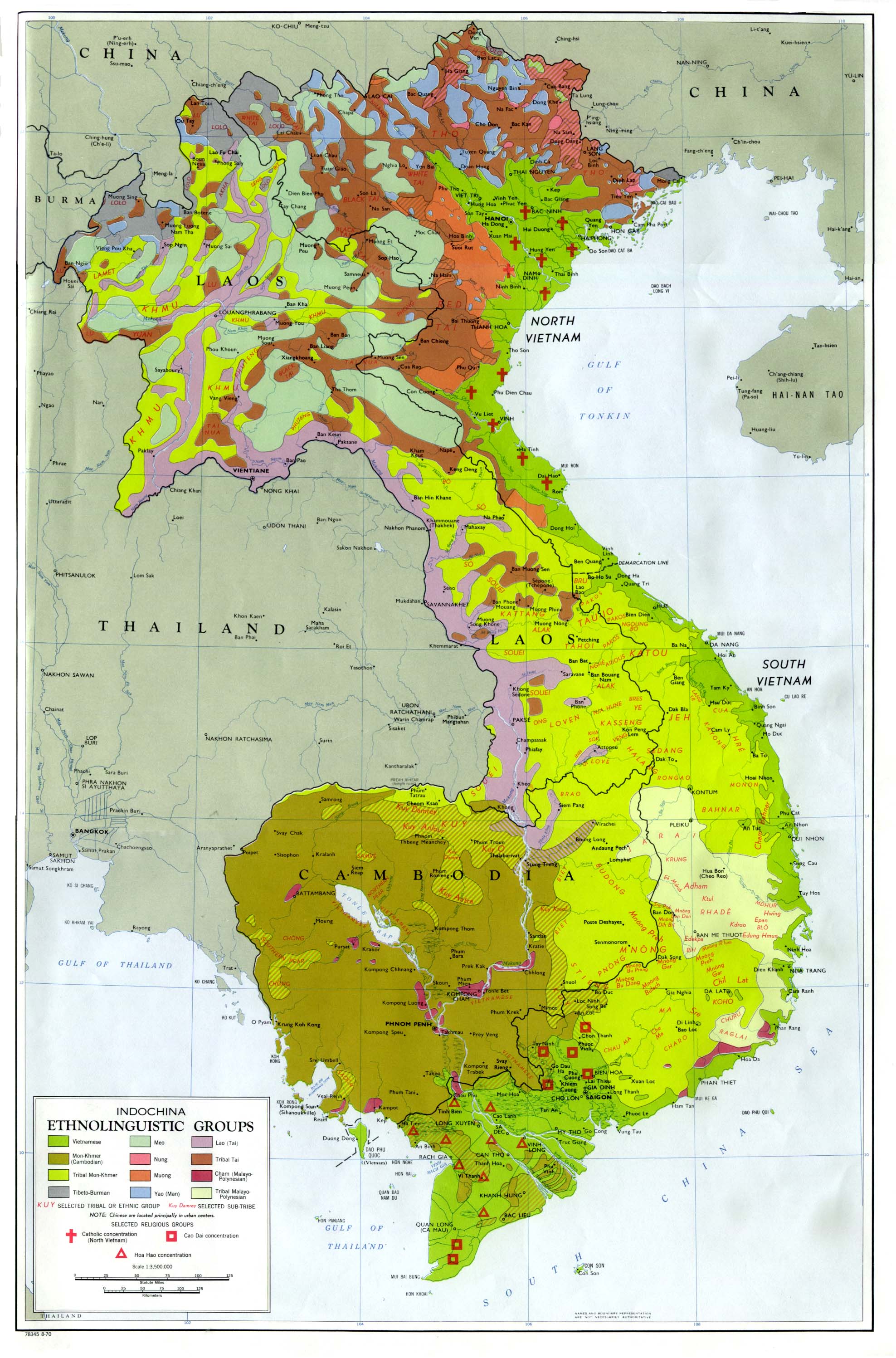
The Poong are an ethnic group whose roots run deep in the hills and valleys of Laos. Their story is woven from generations of migration, adaptation, and resilience. Oral histories, passed down by elders, recount the founding of villages, the shaping of customs, and the forging of a unique identity amid the region's diverse peoples. The Poong have preserved their language and traditions, even as outside influences have gradually touched their way of life.
For the Poong, daily life is shaped by the land and the seasons. Most families depend on rice farming, using traditional methods suited to the terrain. Supplementing their diet with vegetables, wild greens, and occasional fish or game, they make the most of what the environment provides. Meals are simple but nourishing, often shared with extended family members.
Family ties are strong, with several generations frequently living together or nearby. Elders are respected, and their guidance is sought in both practical and spiritual matters. Children learn from an early age to contribute to the household, whether in the fields, at home, or caring for younger siblings. The Poong mark important events—such as harvests, weddings, and religious festivals—with communal gatherings, music, and ritual meals, reinforcing their sense of unity and belonging.
The spiritual landscape of the Poong is a blend of Theravada Buddhism and animistic practices. Buddhist temples and monks are present in their communities, and Buddhist teachings shape their understanding of life, suffering, and the pursuit of merit. Rituals at the temple, offerings, and participation in Buddhist festivals are important aspects of their religious life.
At the same time, the Poong hold to animistic beliefs, trusting that spirits inhabit the forests, rivers, and even their homes. They perform ceremonies and make offerings to these spirits, seeking protection, health, and good fortune. Ancestor veneration is also significant, with families honoring those who have gone before through regular rituals. These practices are not merely cultural but reflect a deep faith in spiritual forces and a desire for harmony with both the seen and unseen world.
Despite their spiritual devotion, the Poong have little or no exposure to the gospel. Most have never heard the message of Jesus Christ, who alone offers true peace and salvation. Their spiritual hunger remains unmet by the hope found only in Christ.
The Poong face a range of physical and spiritual needs. Healthcare is often out of reach, and preventable diseases can have lasting effects. Educational opportunities are limited, especially in remote villages. Economic hardship is common, with families relying on what they can grow or gather. Spiritually, the Poong need to encounter the love and truth of Jesus, who brings freedom from fear and the promise of new life. There is a need for workers who can serve with compassion and share the gospel in ways that resonate with Poong culture.
Pray for the first seeds of the gospel to take root among the Poong people.
Ask God to provide access to healthcare and education for Poong families.
Pray that the Poong would be set free from fear of spirits and discover the peace of Christ.
Intercede for workers to be sent to live among the Poong, demonstrating God's love in practical and spiritual ways.
Scripture Prayers for the Poong in Laos.
https://operationworld.org/locations/laos/
https://www.ethnologue.com/country/LA
https://www.prayercast.com/laos.html
https://www.la.undp.org/
| Profile Source: Joshua Project |