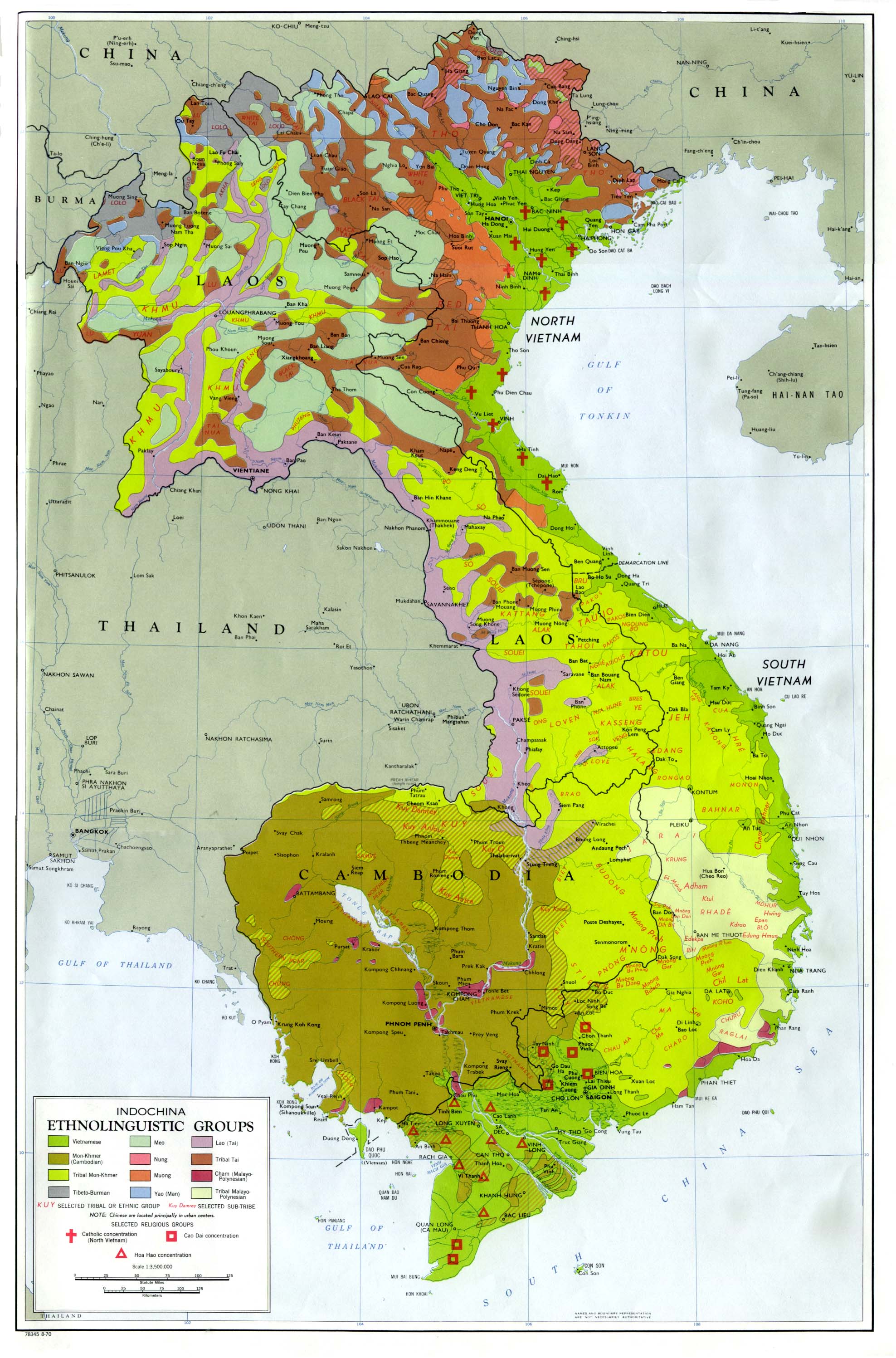
Phongset in Laos are a small highland people in northern Laos who are associated with the wider Phunoi ethnolinguistic world. Reliable mission and linguistic sources identify them as a subgroup of the Phunoi people, and they are also linked with the name of their own speech variety. Their communities belong to the complex mosaic of small upland peoples in northern Laos whose identities have often been preserved through village life, kinship ties, and local speech rather than through large centralized institutions. Linguistic research places the Phongset language in the Loloish branch of the Tibeto-Burman family, which further supports their connection to the wider highland peoples of the far north.
Their language is identified as Phongset, a Loloish language spoken in northern Laos. Joshua Project identifies their primary language as Phunoi, which likely reflects the wider ethnolinguistic umbrella under which the subgroup is classified. In practical terms, this means their local identity is tied to a small community speech variety, while their broader classification connects them to the larger Phunoi linguistic setting. In remote areas, this often means that their language remains important in the home and village even when wider communication requires Lao or related regional speech forms.
Phongset in Laos likely live in small mountain villages in the far north of the country, in the same broader upland environment as other Phunoi-related communities. Public linguistic research places the Phongset language in Phongsaly Province, specifically in Bun Neua District, which is part of a rugged northern region marked by steep terrain, scattered settlements, and limited access compared with the lowland centers of Laos. In this kind of setting, village life is often shaped by farming, household labor, local trade, and close dependence on family and community relationships.
Because detailed public ethnographic material on the Phongset subgroup itself is limited, care is needed not to overstate specifics. Still, the available evidence points to a remote, village-based people whose lives are shaped by mountain geography and by the rhythms common to northern highland communities. The broader Phunoi connection suggests a people accustomed to living in smaller settlements where daily life is closely tied to land, family obligations, and local custom rather than to urban institutions.
Phongset in Laos primarily follow Buddhism, though this is commonly blended with folk religious practices. In many small highland communities of Laos, Buddhist identity often exists alongside older beliefs involving spirits, household rituals, and unseen powers tied to land, ancestry, or protection. Where that is true, it reflects continued dependence on religious tradition and spiritual forces rather than saving faith in Jesus Christ.
Phongset in Laos need a clear and faithful witness to Jesus Christ that reaches them in ways that fit the realities of small-village life, strong family ties, and remote mountain settings. Because they appear to live in isolated northern communities, distance and difficult travel can make gospel access, regular discipleship, and ongoing pastoral care harder to sustain. Workers who reach them will need patience, humility, and a willingness to build trust over time.
If Buddhist practice is blended with folk religious fear or ritual obligation, new believers may need careful teaching from Scripture so they can understand the lordship of Christ over fear, ritual, and inherited custom. Those who come to faith may also face pressure from family or village expectations, especially where social harmony and traditional religious identity are closely tied together. For that reason, strong local fellowship, wise discipleship, and faithful church leadership are especially important.
In remote northern areas, practical needs may also affect spiritual growth. Access to education, medical care, transportation, and stable economic opportunity can be limited in mountain districts. Prayer for these needs is fitting when joined to a desire that communities be opened to the love of Christ and that believers be strengthened to endure and grow.
Pray that Phongset in Laos would hear a clear witness to Jesus Christ and come to trust him as Savior and Lord.
Pray that Buddhist tradition and any fear of spirits or ritual obligations would give way to true repentance and living faith in Christ.
Pray for open doors into villages and households, so the gospel would be received with humility and not resisted through fear or custom.
Pray for those who believe in Christ to stand firm if family or community pressure rises against them.
Pray for faithful believers and church leaders who can patiently disciple new Christians and help establish strong local fellowships in remote northern villages.
Pray for practical help where needed in areas such as travel, medical access, education, and daily provision, especially in isolated mountain communities.
Scripture Prayers for the Phongset in Laos.
https://peoplegroups.org/people_groups/pg050550/
https://en.wikipedia.org/wiki/Phongset_language
| Profile Source: Joshua Project |