




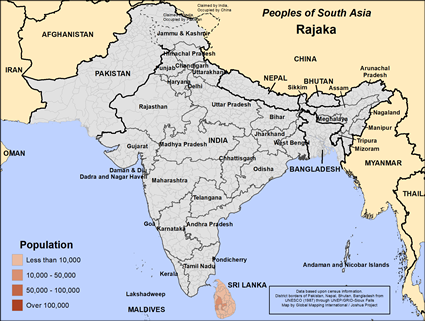
The Rajaka are a Sinhala-speaking community traditionally associated with washing and laundry services in Sri Lanka's historical caste system. Their name literally means "washer," reflecting their occupational heritage. Historically, they served villages by washing clothes for families and temples, a role considered essential but low in social status. Over time, modernization and the decline of caste-based occupations have led many Rajaka families to seek alternative livelihoods, though their identity remains tied to this heritage.
Rajaka families often live in rural villages, though some have migrated to towns for work. Traditionally, their livelihood centered on washing clothes and related services, but today many work as laborers, farmers, or in small businesses. Family life is close-knit, and respect for elders is highly valued.
Celebrations revolve around Buddhist festivals such as Vesak and the Sinhala New Year, which include rituals, games, and sharing traditional foods like kiribath (milk rice), kavum (oil cakes), and coconut-based sweets. Daily meals typically feature rice with vegetable curries and fish. Education is increasingly prioritized, and younger generations aspire to secure jobs beyond traditional roles.
The Rajaka people primarily follow Theravada Buddhism, emphasizing the teachings of the Buddha, meditation, and merit-making through acts of generosity and temple offerings. Temples serve as spiritual and social hubs, hosting festivals and rituals that reinforce community bonds. Astrology and folk practices often accompany religious observances, influencing decisions about marriage and other life events. While Buddhism shapes their worldview, cultural traditions remain deeply woven into their daily lives.
The Rajaka face challenges related to economic vulnerability and limited access to resources. Rural communities often struggle with poverty, inadequate healthcare, and educational opportunities. Social mobility is difficult, and younger generations face pressure to adapt to modern expectations while preserving cultural identity. Spiritually, most have never heard a clear presentation of the gospel, and there are few believers among them who can share Christ's love in culturally relevant ways. There is a need for holistic outreach that addresses both physical and spiritual needs.
Pray for the Rajaka people to encounter the truth of Jesus Christ and experience his transforming love.
Ask God to raise up Rajaka workers who will share the gospel in culturally sensitive ways.
Pray for improved access to education and healthcare, especially in rural areas where resources are scarce.
Intercede for any Rajaka believers to grow strong in faith and become part of the mission force reaching Sinhala speakers in Sri Lanka.
Scripture Prayers for the Rajaka in Sri Lanka.
Sri Lankan cultural and historical studies on caste and social structure.
Local sources on Theravada Buddhist practices and festivals.
| Profile Source: Joshua Project |



