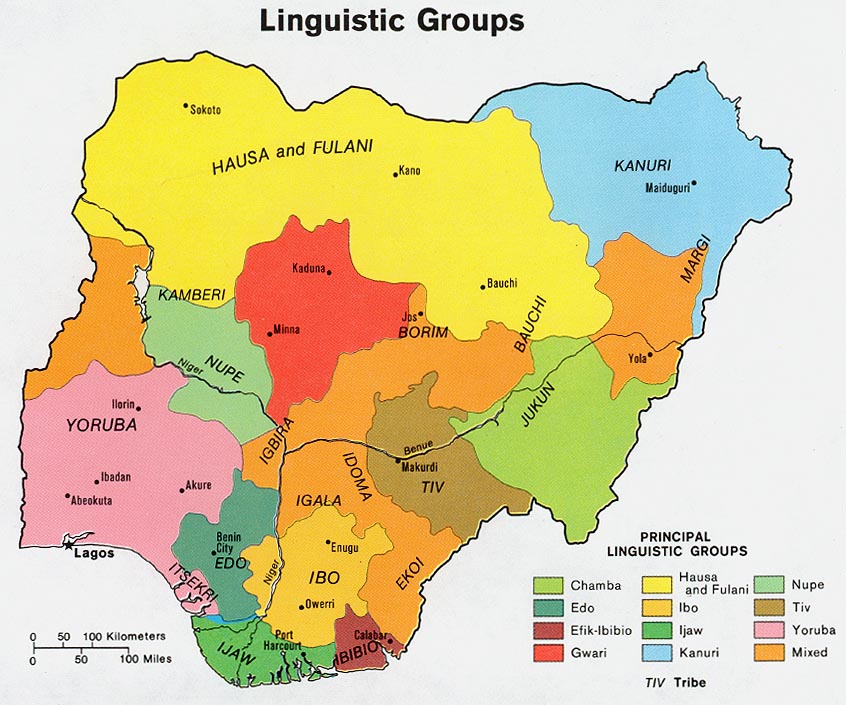
The Ihievbe are an Edoid-speaking people living primarily in Owan East Local Government Area of Edo State in southern Nigeria. Their homeland lies between Afuze and Auchi, and their communities are part of the larger Afemai cultural region of Edo State. The Ihievbe language belongs to the Edoid branch of the Niger-Congo language family, and many people also speak English and neighboring regional languages.
According to local oral tradition, the Ihievbe community was founded centuries ago by a man named Obo, who is connected in tradition to royal and noble lineages associated with the old Benin Kingdom. Their history has largely been preserved through storytelling, clan genealogies, and traditional leadership structures rather than extensive written records. The Ihievbe people maintain a strong sense of ancestry and clan identity, with villages and ruling structures tracing their origins through family lineage and inherited customs.
Traditional leadership remains important within Ihievbe society. The community is led by a traditional ruler known as the Ukor, while elders and clan leaders help preserve customs and resolve disputes. Although modernization and migration have changed aspects of community life, many Ihievbe families still maintain strong ties to their ancestral homeland and traditions.
Christianity has had a visible presence among the Ihievbe for many years, yet strong biblical discipleship and evangelical maturity remain limited in many areas. Traditional religious practices and cultural beliefs continue to influence parts of community life alongside Christian identity.
Most Ihievbe families depend on agriculture and animal husbandry for survival. Farming remains central to daily life, with crops such as yam, cassava, maize, and vegetables commonly cultivated in rural communities. Goats, sheep, poultry, and other livestock also contribute to household income and food supply.
Family and clan relationships are extremely important within Ihievbe society. The father of the household traditionally holds a respected leadership role, and elders are valued as keepers of community wisdom and oral history. The Ihievbe community is organized into several major clans, each with its own internal family structure and responsibilities.
Weddings, funerals, festivals, and community gatherings remain important occasions for strengthening family identity and preserving cultural traditions. Oral storytelling, proverbs, music, and ceremonial gatherings continue to pass history and values from one generation to the next. Traditional leadership systems and age-based social structures still influence parts of community life.
Food commonly includes yam, cassava, soup dishes, vegetables, rice, and locally raised meat. Hospitality is highly valued, and visitors are often warmly welcomed within the community.
The Ihievbe are predominantly Christian, though traditional religious beliefs and practices continue to influence many families and communities. Christianity among the Ihievbe includes a mixture of church traditions, ranging from Catholic and mainline denominations to Pentecostal and independent churches.
Alongside Christianity, some traditional beliefs involving ancestral influence, spiritual protection, curses, rituals, and unseen supernatural powers still remain part of local worldview and cultural practice. In some cases, Christian identity and traditional spiritual customs exist side by side, creating syncretism within religious life.
Traditional ceremonies connected to family lineage, leadership, fertility, and protection may still influence community practices. Fear of spiritual attack or ancestral displeasure can continue to shape decision-making and religious behavior for some people.
Although many Ihievbe identify as Christian, there remains a significant need for strong biblical discipleship, sound teaching, and deeper understanding of salvation through Jesus Christ alone. Mature evangelical churches and discipleship ministries remain limited in some areas.
Like many rural Nigerian communities, the Ihievbe face challenges related to unemployment, healthcare access, educational opportunity, and economic development. Younger generations increasingly migrate to larger cities seeking education and work, creating tension between preserving traditional identity and adapting to modern urban life.
Practical needs are also important. Some Ihievbe communities face unemployment, weak infrastructure, limited healthcare access, educational challenges, and economic instability. Rural development, vocational training, and educational support could greatly benefit many families.
The Ihievbe need continued access to faithful biblical teaching, discipleship, and spiritually mature churches rooted firmly in Scripture. While most identify as Christians, there is still a need for deeper understanding of the gospel, biblical holiness, and freedom from syncretistic spiritual practices..
Pray that the Ihievbe people would grow in a clear biblical understanding of salvation through Jesus Christ alone and reject all syncretistic spiritual practices.
Pray that God would strengthen pastors, church leaders, and believers among the Ihievbe so they remain faithful to the truth of Scripture.
Pray that the Ihievbe would be adopted through the People Group Adoption program so they receive sustained prayer, ongoing gospel engagement, and future discipleship efforts.
Pray that believers in Edo State would boldly share the truth of Christ and help establish spiritually mature churches throughout Ihievbe communities.
Scripture Prayers for the Ihievbe in Nigeria.
https://en.wikipedia.org/wiki/Ihievbe
https://www.owanassociationusa.org/ihievbe/
https://www.edoworld.net/owan_Ihievbe.html
https://theafricanarchives.org/index?article=ihievbe-kingdom-
https://storywrite.com/story/9058764-Ihievbe---a-look-at-its-history-by-Emmanuel-Isuku
| Profile Source: Joshua Project |