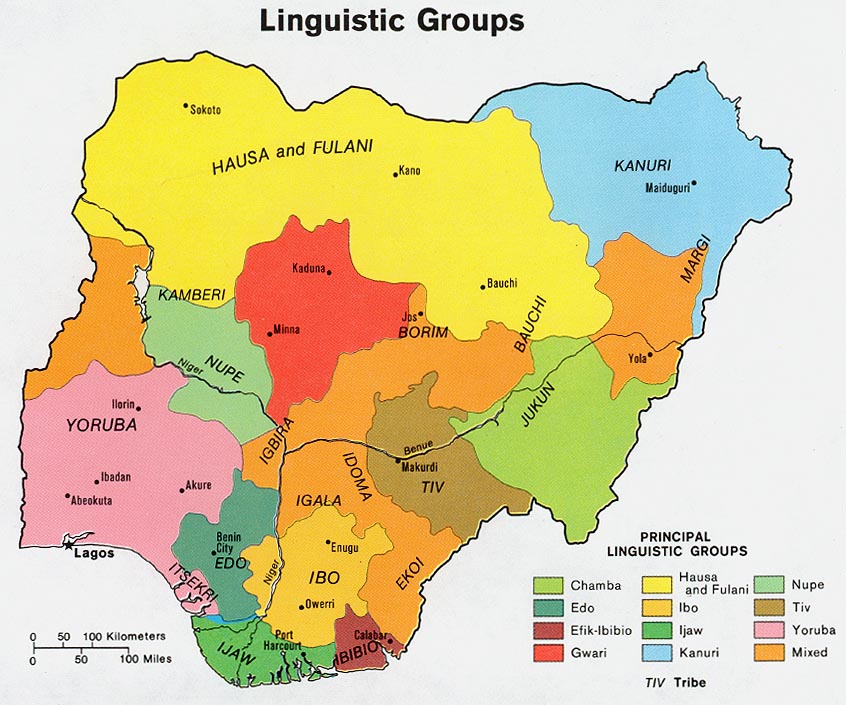
The Bure are a small ethnic group located in northeastern Nigeria, primarily within Bauchi State. Their language, also called Bure, is part of the Chadic branch of the Afro-Asiatic language family. The Bure have a long-standing presence in their region, with oral traditions and local history indicating that they have maintained their distinct identity despite the influence of larger neighboring groups. Over the years, the Bure have adapted to changes in the political and social environment, yet they continue to preserve their language, customs, and traditional way of life.
The Bure people are predominantly subsistence farmers, cultivating crops such as millet, sorghum, maize, and beans. Farming is the backbone of their economy, and both men and women participate in agricultural activities. In addition to farming, some families raise livestock like goats, sheep, and chickens, which provide additional food and income. Daily life is shaped by the agricultural calendar, with planting and harvest seasons being times of intense communal effort.
Family is central to Bure society. Households often include extended family members, and elders are respected for their wisdom and leadership. Children are cherished and taught to contribute to family life from an early age, learning skills that will serve them as adults. Social gatherings and celebrations are important, especially during harvest festivals, weddings, and naming ceremonies. These events are marked by traditional music, dance, and storytelling, which help to strengthen community bonds and pass on cultural values.
Food is typically prepared from locally grown ingredients. Staple dishes include porridges made from millet or sorghum, accompanied by vegetables and occasionally meat. Meals are shared communally, reflecting the importance of hospitality and togetherness in Bure culture.
The religious landscape among the Bure is shaped by a blend of traditional beliefs and the influence of Islam. Many Bure people continue to observe indigenous religious practices, which involve reverence for ancestors, spirits, and the natural world. They perform rituals and ceremonies to seek protection, blessings, and guidance from spiritual forces. At the same time, Islamic practices and beliefs have become significant, with some Bure individuals participating in Muslim worship and community life. This coexistence of traditional and Islamic elements is evident in daily routines, festivals, and social customs. A small number have put their faith in Jesus Christ. They need to share that precious faith with others.
Access to education is limited for many Bure children, which restricts their opportunities for personal and community development. Healthcare services are often inadequate or difficult to reach, leading to challenges in addressing common illnesses and health concerns. Clean water and improved sanitation remain ongoing issues, particularly during the dry season. Economic opportunities beyond subsistence farming are scarce, making it difficult for families to improve their standard of living. There is also a need for greater exposure to the message of Jesus Christ, who offers hope, peace, and transformation for all people.
Pray that the Bure people will encounter the love and truth of Jesus Christ, and that hearts will be open to his message of hope and salvation.
Ask God to raise up local believers who will share the gospel with compassion and courage, becoming a light in their communities.
Pray for improved access to education and healthcare, so that families can flourish physically and intellectually.
Intercede for Bure Christians to disciple others and teach them to also be disciplers.
Pray that those who already know Christ will be empowered to join in his mission, reaching out to their neighbors with the good news.
Scripture Prayers for the Bure in Nigeria.
https://www.ethnologue.com/language/bvh/
https://www.peoplegroups.org/explore/GroupDetails.aspx?peid=11741
| Profile Source: Joshua Project |