


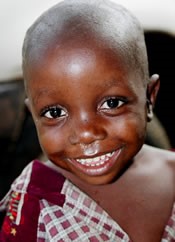

The Seki people, also known as Baseke or Sheke, are an indigenous ethnic group primarily found in the mainland region of Equatorial Guinea, with some communities extending into neighboring Gabon. Their language, Seki (or Baseke), is part of the Bantu language family and serves as a key marker of their identity. The Seki have a long-standing presence in the dense forests and river valleys of the region, where they have maintained their traditions despite the pressures of colonialism, modernization, and the influence of larger ethnic groups. Oral history, clan structures, and ancestral customs remain central to their sense of belonging and continuity.
Life among the Seki is closely tied to the rhythms of the forest and the land. Many Seki families engage in shifting agriculture, cultivating crops such as plantains, cassava, yams, and groundnuts. The surrounding forests provide not only food but also materials for building, medicine, and crafts. Hunting and fishing are important sources of protein, and men often organize communal hunting expeditions, which are both practical and social events.
Recreation and social life are vibrant aspects of Seki culture. Music and dance play a central role in daily life and special occasions. Traditional instruments—such as drums, rattles, and wooden xylophones—accompany lively dances during festivals, weddings, and rites of passage. Storytelling is another cherished pastime, with elders recounting tales of ancestors, animals, and the spirit world to entertain and instruct the younger generation. Children and youth often participate in games and sports, both traditional and modern, fostering camaraderie and community spirit.
The Seki live in villages composed of extended family compounds, where cooperation and mutual support are highly valued. Social gatherings, whether for work or celebration, reinforce bonds and provide opportunities for sharing news, food, and laughter. While education is increasingly important, access to quality schools can be inconsistent, especially in remote areas.
The Seki worldview is deeply spiritual, rooted in the belief that the visible world is closely connected to the realm of ancestors and spirits. They honor their ancestors through rituals, offerings, and annual ceremonies, seeking their guidance and protection. Nature spirits are also believed to inhabit the forests, rivers, and sacred sites, and traditional healers play a significant role in mediating between the community and the spiritual world.
Christianity has a limited presence among the Seki, and where it exists, it is often associated with Roman Catholic or mainline Protestant churches. Some Sekis have embraced a vibrant Christian faith, participating in church life and seeking to follow Jesus Christ. These believers gather for worship, prayer, and the study of Scripture, finding hope and new purpose in the gospel message. However, traditional beliefs and practices remain influential, and many families blend elements of both faiths in their daily lives.
The Seki face a variety of challenges, both physical and spiritual. Access to healthcare, clean water, and reliable education is limited in many villages, making families vulnerable to illness and hardship. Economic opportunities are scarce, and young people often leave for cities in search of work, which can weaken community ties. Spiritually, there is a need for discipleship, biblical teaching, and encouragement for those who follow Christ. The translation of Scripture and Christian resources into the Seki language would greatly benefit the community.
Pray for improved access to healthcare, education, and clean water for Seki families.
Ask God to encourage and strengthen Seki believers as they live out their faith and serve their neighbors.
Pray for the preservation of Seki language and cultural traditions amid social and economic change.
Request that the Seki people encounter the hope, peace, and transformation found in Jesus Christ.
Scripture Prayers for the Seki in Equatorial Guinea.
https://www.peoplegroups.org/
https://www.ethnologue.com/
https://www.operationworld.org/
https://www.britannica.com/place/Equatorial-Guinea
| Profile Source: Joshua Project |



