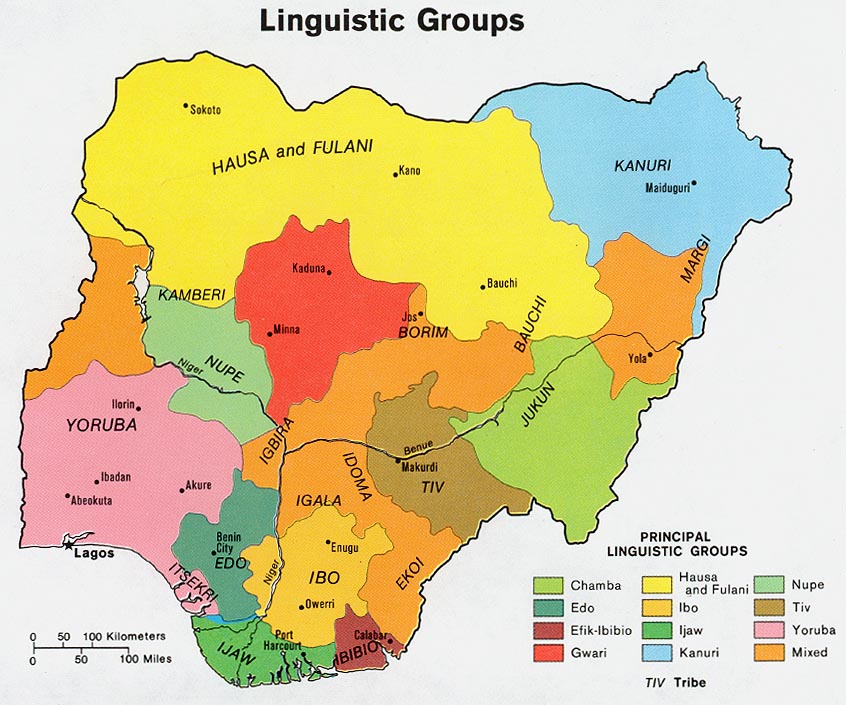

The Zari are a small ethnic group living in the central region of Nigeria, primarily in Bauchi State. Their language, also called Zari, is part of the Chadic branch of the Afro-Asiatic language family. The Zari have a long history in the region, with oral traditions suggesting that their ancestors settled in the area many generations ago. Over time, the Zari have maintained their unique cultural identity despite the influence of larger neighboring groups and the pressures of modernization. Their history is marked by resilience and a strong sense of community, which has helped them preserve their language and traditions.
Most Zari people are subsistence farmers, growing crops such as millet, sorghum, and maize. Some families also keep livestock like goats and chickens, which provide additional food and income. Daily life revolves around the family, with extended families often living close together and sharing responsibilities. Meals are simple, usually consisting of grains and vegetables, with meat reserved for special occasions. The Zari celebrate important life events such as births, marriages, and harvests with communal gatherings, music, and traditional dances. Despite the challenges of rural life, the Zari value hospitality and mutual support within their communities.
The Zari people are primarily folk Islamists. Their worldview is shaped by a belief in spiritual forces and ancestral spirits, blended with the tenets of Islam. Some Zari have been exposed to Christianity through contact with neighboring groups and missionaries, but traditional beliefs remain strong, especially in rural areas. Religious practices are closely tied to daily life, with rituals performed to seek protection, healing, and blessings for crops and families.
The Zari face significant physical challenges, including limited access to clean water, healthcare, and education. Many families struggle with poverty and malnutrition, and children often lack opportunities for formal schooling. Spiritually, the Zari have little access to the gospel and few opportunities to hear about the hope found in Jesus Christ. There is a need for workers who can share the message of Christ in culturally sensitive ways and help the Zari experience holistic transformation—physically, emotionally, and spiritually.
Pray for improved access to clean water, healthcare, and education for Zari families.
Ask God to send workers who can share the love and message of Jesus Christ among the Zari.
Pray that the Holy Spirit would open hearts to the gospel and break the power of fear and spiritual darkness.
Intercede for peace, unity, and hope within Zari communities, so that they may flourish and experience God's mercy.
Scripture Prayers for the Zari in Nigeria.
https://www.ethnologue.com/language/zaz/
https://en.wikipedia.org/wiki/Zari_people
| Profile Source: Joshua Project |