


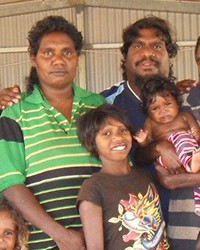

Warlpiri is an Indigenous people of Australia whose communities are primarily located in the Northern Territory, including places such as Ali Curung, Willowra, Lajamanu, Yuendumu, and the region around Alice Springs, with some living further north toward Darwin and Katherine. Their traditional language, Warlpiri, continues to be spoken widely and remains a core part of their heritage.
They have lived for generations in the desert regions of central Australia, maintaining cultural practices shaped by the land, kinship networks, and ceremonial responsibility. Although the turbulent years of colonial expansion brought significant changes, including displacement, mission activity, and new governance structures, the Warlpiri have preserved strong ties to traditional law, identity, and story. Their communities today continue to reflect a blend of deep cultural continuity and adaptation to modern Australian society.
Daily life among the Warlpiri often centers around small desert communities where families remain interconnected through extensive kinship ties. Many work in local roles such as community service, education support, health programs, land and wildlife management, maintenance, or arts production—particularly painting, which is widely practiced in Warlpiri communities. Their connection to country remains important, with many still participating in hunting, bush food gathering, and land?based skills passed down through families.
Meals often blend store?bought food with traditional foods gathered from the land when available. Extended family networks play a major role in raising children, providing social structure, and caring for the elderly. Elders are honored as custodians of knowledge, including stories, language, and ceremonies.
Cultural celebrations continue to be vital, with dance, song, and ceremonial gatherings marking important events in the life of the community. At the same time, Christian holidays and community events are observed, reflecting the presence of churches and Christian influence in Warlpiri towns.
Christianity is the primary religious identity among the Warlpiri, and many families participate in local church life. Christian faith shapes community relationships, moral teaching, and shared celebrations. Some individuals also maintain a reverence of the spirit world, based on the teachings of their ancestors.
Warlpiri communities would benefit from expanded access to reliable health care, especially in remote desert areas where medical services may be limited. Continued educational support—particularly programs that combine literacy, cultural learning, and job skills—would help younger generations prepare for future opportunities. More resources in the Warlpiri language, including Scripture and discipleship materials, would strengthen spiritual growth. Economic stability, improved housing, and sustained community programs would also support long?term well?being for families seeking to remain connected to their ancestral homelands.
Pray for dependable health care and essential services in all Warlpiri communities.
Ask the Lord to bless educational programs that help young people gain skills and confidence.
Pray that Warlpiri believers will mature in their faith and walk closely with Christ each day.
Lift up Warlpiri churches, asking God to raise up workers who will carry the gospel to less?reached peoples.
Scripture Prayers for the Warlpiri in Australia.
| Profile Source: Joshua Project |



