


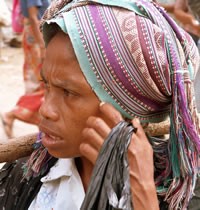

The Tetun people, also known as Tetum, are an Austronesian ethnic group native to the island of Timor. In Timor-Leste, they form a major part of the population, primarily living in central and eastern regions including areas around Dili, Suai, and Viqueque. They speak Tetun (or Tetum), an official language of the country alongside Portuguese, which serves as a lingua franca blending indigenous roots with historical influences. Their cultural background reflects a rich mix of ancient Austronesian traditions, Melanesian elements, and centuries of Portuguese colonial impact, shaping community values, arts, and social structures.
The Tetun lead lives deeply connected to rural and village settings, where extended families form the core of society. Family ties emphasize solidarity, with large households often including relatives beyond immediate kin, and strong obligations during life events like weddings, funerals, and traditional ceremonies. Many engage in subsistence agriculture, cultivating crops such as corn, rice, sweet potatoes, and vegetables through methods suited to the island's terrain, supplemented by fishing in coastal areas. Daily rhythms follow natural cycles, with communal work in fields, shared meals, and interactions in villages. Traditional weaving of tais cloth remains valued, alongside music and dance that feature in celebrations. Festivals and rituals bring communities together, often involving expressive performances, colorful attire, and honoring kinship bonds in vibrant, hospitable gatherings.
The Tetun predominantly follow Christianity, with Roman Catholicism as the primary expression deeply woven into community life. Elements of traditional beliefs and respect for ancestors continue in some practices alongside Christian faith. Scripture is available in Tetun, including the New Testament and portions, allowing access to God's word in their heart language.
Many Tetun communities navigate challenges in rural development, such as improving access to education, healthcare, and economic opportunities amid reliance on agriculture. Spiritually, believers grow through stronger biblical teaching and discipleship to deepen faith amid cultural influences. Church leaders benefit from encouragement and resources to guide congregations effectively. As faith matures, opportunities emerge for Tetun Christians to actively share the gospel with less-reached groups in the region and beyond.
Pray that the Tetun people would experience ongoing renewal in their walk with Christ, with churches growing in maturity, unity, and passionate love for God's word and for the Lord.
Pray for continued distribution and engagement with scripture in Tetun, so families and individuals can encounter Jesus more deeply through reading, listening, and teaching.
Pray for Tetun Christian families to reflect Christ's love in their relationships, nurturing faith in the next generation amid daily life pressures.
Pray that believers among the Tetun would feel a strong calling to participate in mission, reaching out as disciple-makers to unreached peoples in Indonesia.
Pray for God's provision in their physical lives, including fruitful harvests, good health, and community harmony that points others toward the hope found in Jesus.
Scripture Prayers for the Tetun in Timor-Leste.
https://en.wikipedia.org/wiki/Tetum_people
https://www.britannica.com/topic/Tetum
https://www.timorleste.tl/east-timor/about/people-culture
https://en.wikipedia.org/wiki/Religion_in_Timor-Leste
https://www.scriptureearth.org/00i-Scripture_Index.php-iso=tdt
https://mannytimortours.com/culture-in-east-timor
https://timor-leste.gov.tl/-lang=en&p=5520&print=1
https://www.timorleste.tl/what-to-do/events-festivals
| Profile Source: Joshua Project |



