


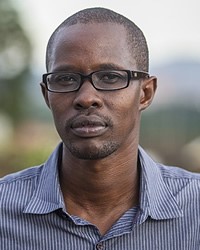

The Southern Madi are part of the larger Madi ethnic group, a Nilotic-speaking people traditionally known as pastoralists. Historically, the Madi migrated across East Africa in search of grazing land for their cattle, which remain central to their culture and economy. Their identity is deeply tied to cattle herding, warrior traditions, and clan-based social structures.
Southern Madi communities live in semi-arid regions where cattle herding is the primary livelihood. Families often move seasonally to find pasture and water for their animals. Cattle are not only an economic resource but also a symbol of wealth and social status. Traditional Madi homes, called manyattas, are built from mud, sticks, and cow dung, arranged in circular enclosures. Meals typically include milk, meat, and blood from cattle, supplemented by maize and beans.
Education is slowly gaining importance, but many children still miss school due to nomadic lifestyles. Celebrations include rites of passage, such as circumcision ceremonies and warrior initiation, which reinforce cultural identity.
The Southern Madi traditionally worship a deity called Enkai (or Engai), associated with rain and fertility. Rituals often involve prayers for cattle health and seasonal rains. Today, most Madi have converted to Christianity or Islam, but traditional beliefs remain strong, and syncretism is common. Cultural practices such as divination and blessings by elders continue to play a significant role in daily life.
The Southern Madi face challenges related to access to clean water, healthcare, and education. Their nomadic lifestyle makes it difficult to benefit from government services and infrastructure. Economic vulnerability is high due to dependence on cattle, which is threatened by drought and land conflicts. Spiritually, while some have heard the gospel, many have not embraced it fully, and there is a need for contextualized discipleship that respects their cultural identity.
Pray for Southern Madi families to experience the hope and love of Jesus Christ.
Ask God to raise up workers who can share the gospel in ways that honor Madi culture.
Pray for improved access to clean water, healthcare, and education for Madi communities.
Intercede for peace in areas affected by land disputes and for sustainable solutions to drought.
Scripture Prayers for the Madi, Southern in Uganda.
Historical studies on Nilotic pastoralist cultures.
Local sources on Madi traditions and religious practices.
Https://www.micato.com/5-fascinati
| Profile Source: Joshua Project |



