


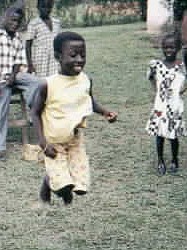

The Sefwi are an Akan-speaking ethnic group living primarily in the forested regions of southwestern Ghana, especially in today's Western North and parts of the Western Region. Their language, Sefwi, is part of the broader Akan language family and reflects longstanding ties with neighboring Akan peoples. According to oral tradition, the Sefwi trace their origins to earlier migrations from the north, followed by permanent settlement in fertile rainforest zones that supported farming and trade. Over time, they developed independent stools, chiefdoms, and systems of customary law. Colonial rule and the formation of modern Ghana brought increased contact with Christianity, formal education, and national governance, while traditional structures and historical memory continue to shape Sefwi identity.
Most Sefwi live in rural communities where daily life revolves around extended families and farming activities. Kinship ties are strong, and elders play a major role in decision-making, conflict resolution, and the transmission of values. Agriculture is the backbone of the economy, with cocoa serving as the primary cash crop. Families also grow cassava, plantain, cocoyam, maize, and vegetables for household consumption, and some raise small livestock or collect forest products. Meals usually consist of starchy staples paired with soups or stews made from vegetables, palm oil, fish, or meat when available. Community festivals, often connected to farming cycles or traditional leadership, provide occasions for drumming, dancing, storytelling, and social interaction. Leisure time tends to be informal and community-based, especially around markets and festival seasons.
The Sefwi are mostly Christian, and churches of various denominations are found throughout their towns and villages. At the same time, traditional religious beliefs remain deeply influential. Many people believe that spiritual forces—such as ancestors, local spirits, and lesser deities—actively affect health, success, conflict, and misfortune. As a result, Christian practice is often combined with traditional rituals, consultations with spiritual specialists, or protective ceremonies. Trust is frequently placed in the spirit world rather than fully in Jesus Christ alone. A smaller number of Sefwi identify as Muslim, usually through family or regional connections, yet even among these groups, traditional religious ideas often continue alongside formal religious identity.
Many Sefwi communities face limited access to quality healthcare, particularly in remote rural areas where clinics are understaffed or far away. Preventable diseases, maternal health challenges, and childhood illnesses remain concerns. Educational resources are uneven, with rural schools often lacking sufficient teachers, materials, and opportunities for higher education. Access to clean water and adequate sanitation is still a struggle in some villages, affecting overall health and quality of life. Economically, dependence on small-scale farming leaves families vulnerable to fluctuating crop prices and environmental pressures. Improved infrastructure, vocational training, and community development services would contribute significantly to long-term stability and growth.
Pray that Sefwi believers would grow in a deep, biblical faith that places full trust in Jesus Christ rather than fear of spiritual powers.
Ask the Lord to bring freedom from reliance on traditional rituals and reveal His authority over every area of life.
Pray for greater access to healthcare, education, clean water, and other basic services for Sefwi communities.
Pray that established Sefwi churches would be equipped and willing to send workers to other people groups who lack a relationship with the Lord of lords.
Scripture Prayers for the Sefwi in Ghana.
https://en.wikipedia.org/wiki/Sefwi_people
https://www.ethnologue.com/language/sef/
| Profile Source: Joshua Project |



