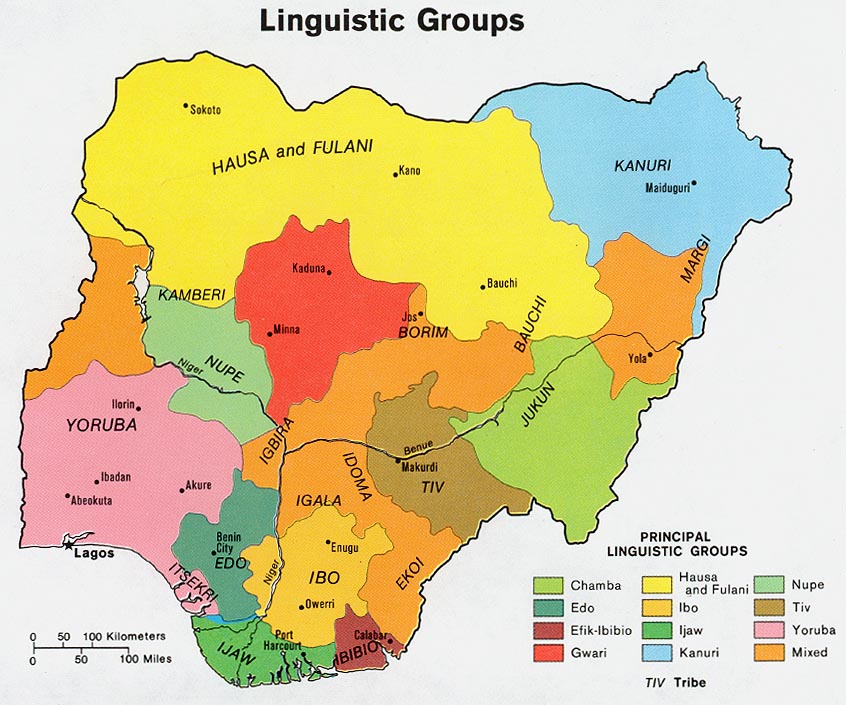
Kamuku in Nigeria are a distinct people of northwestern and west-central Nigeria, historically associated especially with parts of Niger State, while also appearing in Kaduna State and neighboring areas. Reliable outside sources place them among the indigenous peoples of the inland savanna belt and connect them with older chiefdom structures in what later became part of the northern emirate and colonial administrative systems. A respected historical source on Niger State specifically names the Kamuku chiefdom among the older political units of the region, showing that they were recognized as a distinct people rather than simply being absorbed into larger neighboring identities.
Their wider historical footprint appears to have extended across a broader zone than a single state boundary. External language and ethnographic sources place Kamuku communities in parts of Niger State, Kaduna State, and historically in areas that touched the old Sokoto administrative divisions. Some scholars have also linked the Kamuku to older regional polities such as Kankuma, suggesting a deeper historical presence in the pre-colonial period, though such reconstructions should be treated carefully. What can be said with confidence is that they are one of the longstanding Kainji-speaking peoples of inland northern Nigeria whose identity has been preserved through village life, local leadership, and language continuity.
Their language belongs to the Kamuku branch of the Kainji languages, a subgroup within the larger Niger-Congo family. Outside linguistic sources identify the commonly referenced Kamuku speech form as the Cinda-Regi complex, also called 'Yara, with several local varieties such as Cinda, Regi, Rogo, Kuki, Kuru, and Maruba. This is important because it shows that Kamuku identity is not merely tribal labeling from outsiders; it is tied to a real and recognized language cluster with local variation. In practical terms, many Kamuku likely use their language in family and village settings while also using Hausa or other regional languages in wider trade, schooling, or government interaction.
Kamuku in Nigeria generally live in the inland savanna zone of northwestern and west-central Nigeria, especially in areas of Niger State and parts of Kaduna State. The best outside linguistic sources identify their language cluster as centered largely in Mariga and Rafi Local Government Areas of Niger State, while other sources also connect them with Birnin Gwari in Kaduna State and older settlement patterns around Kontagora, Minna, and related districts. This places them in a region of wooded savanna, farming settlements, and mixed rural communities rather than in coastal or forest-delta environments.
Their daily life is best understood as village-based and agricultural. Historical descriptions of the Kamuku portray them as farming people who also keep livestock. In the wider Niger State setting, common livelihood patterns include cultivation of crops such as yams, groundnuts, cotton, and shea-related products, along with herding and local trade in rural settlements. Because the Kamuku live among other peoples such as Hausa, Fulani, Gbagyi, Kambari, and Nupe, many communities likely navigate both their own local identity and broader regional interaction through markets, interethnic contact, and the use of wider trade languages.
Kamuku in Nigeria primarily follow Islam, though traditional ethnic religious beliefs also remain present. In a setting like this, Islamic identity may be strong at the community level while older inherited beliefs, spiritual fears, protective rituals, or local customary practices continue beneath the surface. That means their spiritual life may be shaped by both formal Islamic belief and older patterns of reliance on unseen powers or inherited tradition. They need to hear the truth that forgiveness of sins and peace with God are found only in Jesus Christ, not in religious identity, moral effort, or ancestral custom.
They do not recognize Jesus Christ as the Son of God and the only Savior. Like many Muslim-background peoples, they may honor Jesus in some limited sense while rejecting His full identity, His atoning death, and His resurrection as the only hope of salvation. For that reason, they need loving, courageous gospel witness that clearly opens the Scriptures and shows that Christ is the promised Savior and Lord. Scripture portions are available in their language.
Kamuku in Nigeria need clear and faithful gospel witness in a setting where Islamic identity may be socially strong and where inherited customs may still shape community life. Reaching a people like this requires more than public argument. They need believers who are grounded in Scripture, patient in relationships, and willing to live with humility among them over time. In Muslim-majority or Muslim-influenced settings, trust is often built slowly, and gospel conversations usually grow through consistent character, hospitality, and careful handling of God's word.
Because the Kamuku are also a village-based people with strong local identity, those who come to faith in Christ may face pressure not only from religious expectations but also from family and community loyalty. A person who follows Christ may be viewed as stepping outside inherited structures of belonging. New believers need wise discipleship, strong fellowship, and pastoral care that helps them endure opposition without bitterness and stand firm in the truth without compromise.
Their rural inland setting may also create practical challenges. Communities in the savanna belt can face barriers related to transportation, access to medical care, educational opportunity, and consistent connection to mature Christian teaching, especially where villages are scattered or where insecurity affects movement in parts of northwestern Nigeria. Prayer for these needs is fitting when joined to a desire that the gospel would be clearly understood, that local believers would be strengthened, and that Christ would be honored among the Kamuku.
Pray that Kamuku in Nigeria would hear a clear and faithful witness to Jesus Christ and come to know Him as Savior and Lord.
Pray that Islamic identity and every lingering fear of spiritual powers or inherited ritual practices would give way to repentance and true faith in Christ.
Pray for open doors into Kamuku villages and families, so the gospel would be received with humility and seriousness.
Pray for men and women who begin to seek the truth about Jesus, that the Lord would give them courage to follow him even when the personal cost is high.
Pray for faithful believers and church leaders who can patiently disciple Kamuku-background believers and help establish strong local fellowships rooted in Scripture.
Pray for practical help where needed in areas such as transportation, medical access, education, and safe movement for gospel workers and local believers in rural communities.
Scripture Prayers for the Kamuku in Nigeria.
https://en.wikipedia.org/wiki/Kamuku_people
https://en.wikipedia.org/wiki/Kamuku_languages
https://en.wikipedia.org/wiki/Cinda-Regi_language
https://en.wikipedia.org/wiki/Niger_State
https://www.britannica.com/place/Niger-state-Nigeria
| Profile Source: Joshua Project |