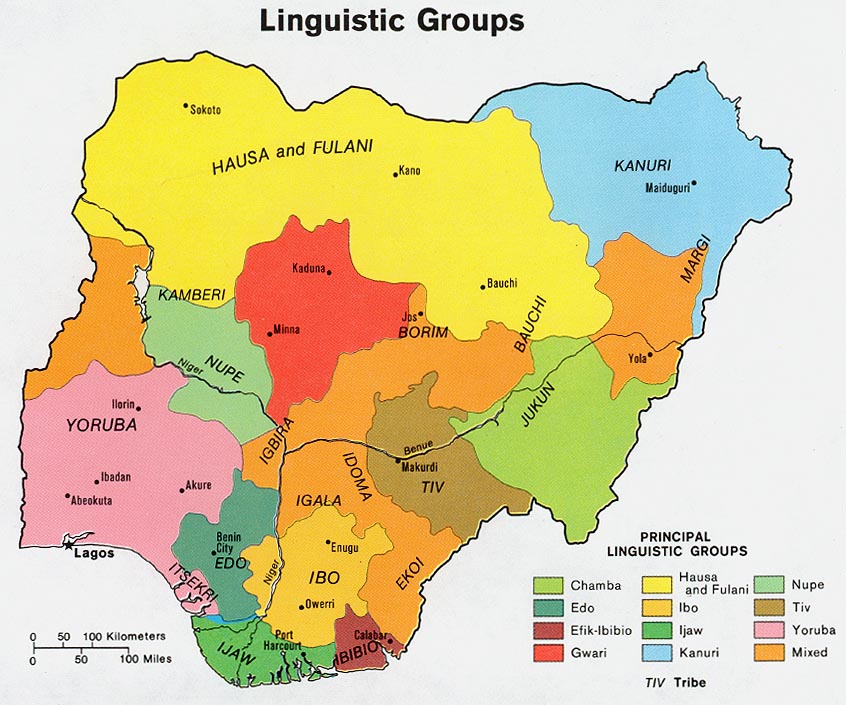
The Gun people, also known as Ogu or Egun, are a Gbe-speaking ethnic group living mainly in Lagos and Ogun States in southwestern Nigeria, with related communities in the Republic of Benin. They trace their origins to migrations from the former Kingdom of Dahomey, especially from Whydah (Ouidah), Allada, and Weme in present-day Benin.
Oral traditions and historical accounts indicate that Gun migration into the Badagry area began as early as the 15th century, driven largely by insecurity caused by regional conflicts. A more significant migration occurred in the 18th century during the Dahomean wars, which forced many communities eastward toward safer coastal territories.
The Gun settled mainly along lagoons and coastal waterways, with Badagry emerging as their primary center in Nigeria. Badagry holds national historical significance as the site where Christianity was first introduced to Nigeria in 1842 by Wesleyan missionaries. Today, the Gun people are estimated to make up about 15% of the indigenous population of Lagos State.
The Gun language (Gungbe) belongs to the Eastern Gbe branch of the Niger-Congo language family and is closely related to Fon and other Gbe languages spoken in Benin and Togo.
The Gun people live in coastal lagoon environments, including creeks and wetlands. Their geography strongly shapes daily life and economic activity. Fishing is the primary occupation and is practiced using canoes, nets, and traps passed down through generations.
Other livelihoods include salt production through evaporation methods, coconut processing, petty trading, and small-scale farming. Common crops include cassava, maize, yams, oil palm, cocoa, and groundnuts.
The Gun people maintain a traditional political system led by a king called the Akran. This institution traces its origins to early migrations linked to the Ketu kingdom. Communities are divided into quarters administered by white cap chiefs, with the Akran governing a central quarter.
Waterways are central to transportation and domestic life, including cooking, washing, and bathing. The Gun diet consists mainly of fish combined with southwestern Nigerian staples such as eba, fufu, semo, and amala, eaten with vegetable-based soups. Women play key roles in fish processing, trading, farming, and household management, while children often learn family trades early in life.
The Gun practice a blend of traditional African religion, Christianity, and Islam, with ethnic religion remaining dominant. Despite Christian presence since the mid-19th century, traditional beliefs continue to shape worldview and community life.
A central feature of Gun traditional religion is Vodun, particularly the worship of Zangbeto, a spirit believed to enforce law and moral order. Zangbeto groups function as spiritual vigilantes, conducting night patrols and addressing wrongdoing through ritual authority.
The Gun also practice ancestor veneration, believing deceased ancestors continue to influence the living. Ceremonies honoring ancestors include masked performances, drumming, and dancing. These practices resemble Yoruba Egungun traditions but retain distinct Gbe cultural expressions.
Many Gun who identify as Christians continue to participate in traditional rituals, especially during births, marriages, and funerals. This widespread religious syncretism reflects the coexistence of Christian identity with traditional spiritual practices.
The Gun people face significant development challenges, especially in coastal settlements. Poor road access, unreliable electricity, limited clean water, and inadequate healthcare facilities isolate many communities and restrict economic growth.
Education is a major concern. Many children face poorly equipped schools, shortages of trained teachers, and economic pressures that limit school attendance and completion.
Healthcare needs include maternal and child health services, sanitation, and prevention of waterborne diseases common in fishing communities. Economic diversification could reduce dependence on fishing alone and improve household stability.
Spiritually, there is a strong need for biblical teaching and discipleship in the Gun language and cultural context. Despite early exposure to Christianity, evangelical influence remains limited, and traditional beliefs retain strong authority.
Pray for indigenous Gun believers to boldly and lovingly share Christ within their communities.
Pray for Scripture and discipleship resources in the Gun language.
Pray for culturally sensitive Christian workers to serve long-term.
Pray for freedom from fear linked to traditional spiritual practices.
Pray for biblically faithful, reproducing churches.
Pray for improved education, healthcare, and economic opportunities.
Pray for a movement of the Holy Spirit bringing lasting transformation.
Scripture Prayers for the Gun in Nigeria.
Oral histories and regional studies on Gun origins from Dahomey (Benin).
West African historical accounts of Dahomean wars and population movements.
Missionary records documenting Wesleyan missions in Badagry (1842).
Ethnologue and linguist
| Profile Source: Joshua Project |