


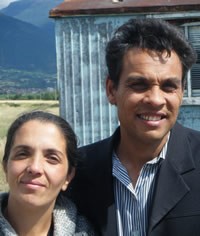

The Bulgarian Romani are part of the wider Roma population whose origins trace back to northern India and whose migrations brought them into Europe between the eleventh and fifteenth centuries. In Bulgaria, Roma communities have been documented since at least the fourteenth century, and over centuries they experienced Ottoman influence, communist?era assimilation policies, and social marginalization in modern times. Today, the Romani population in Bulgaria is one of the densest in Europe, with communities spread across both cities and rural regions, particularly in Sliven, Sofia, and Pazardzhik. They speak Balkan Romani, Bulgarian, or Turkish depending on region and heritage.
Bulgarian Romani communities display a wide range of lifestyles shaped by clan networks, language backgrounds, and local economic conditions. Some families continue traditions tied to craftwork, entertainment, or seasonal labor, while many others take on various forms of urban or rural employment. Social life is often marked by tight?knit family structures and extended kinship ties that provide emotional and economic support.
Daily life may differ dramatically depending on whether families live in segregated neighborhoods, mixed urban districts, or small rural settlements. In many areas, Roma experience discrimination and limited access to quality education, employment opportunities, and adequate housing, contributing to cycles of poverty. Children frequently attend under?resourced schools located in Roma-majority areas, further isolating them from broader Bulgarian society. Celebrations, however, remain vibrant markers of identity, with weddings, music, dance, and community gatherings expressing a deep sense of cultural continuity and joy.
About half of the Bulgarian Romani identify as Christian. In addition to these formal affiliations, traditional Romani spiritual patterns often include dualistic beliefs centered on God (Del/Devel) and opposing forces of evil, drawing from historical layers of both Christian and Muslim environments and older symbolic concepts. Where Protestant Christianity is present among the Romani, believers often exhibit a strong hunger for spiritual transformation and community renewal.
Bulgarian Romani communities face significant physical and social challenges. Persistent discrimination and inadequate access to employment, education, healthcare, and secure housing continue to hinder long-term stability. Many families struggle with poor living conditions and limited economic mobility, and children often face barriers that prevent them from fully participating in society.
Spiritually, the Romani people benefit from greater access to Scripture in languages they understand, as well as culturally sensitive discipleship efforts that speak to their lived experiences. Strengthened Christian community structures and compassionate outreach can help families experience the transforming mercy of Jesus Christ.
In places where the gospel has taken root, pray that these Romani followers of Jesus will grow in spiritual maturity and become part of the global gospel force reaching the less?reached peoples of the world.
Pray that Bulgarian Romani families will experience improvements in education, housing, and economic opportunity, especially in marginalized areas where poverty is entrenched.
Pray that the mercy of Jesus Christ will break through spiritual barriers and bring healing, restoration, and hope to Romani households who long for peace.
Pray that believers among the Romani will grow deeper in their faith, strengthening local fellowships and becoming a gospel witness among neighboring communities.
Pray for national and local leaders to work toward justice, equality, and meaningful inclusion so that Romani families may flourish in dignity.
Scripture Prayers for the Romani, Bulgarian in Bulgaria.
https://en.wikipedia.org/wiki/Romani_people_in_Bulgaria
https://www.britannica.com/topic/Rom
https://minorityrights.org/communities/roma-2/
https://www.refworld.org/reference/countryrep/mrgi/2018/en/121725
https://rroma.org/traditions/
| Profile Source: Joshua Project |



