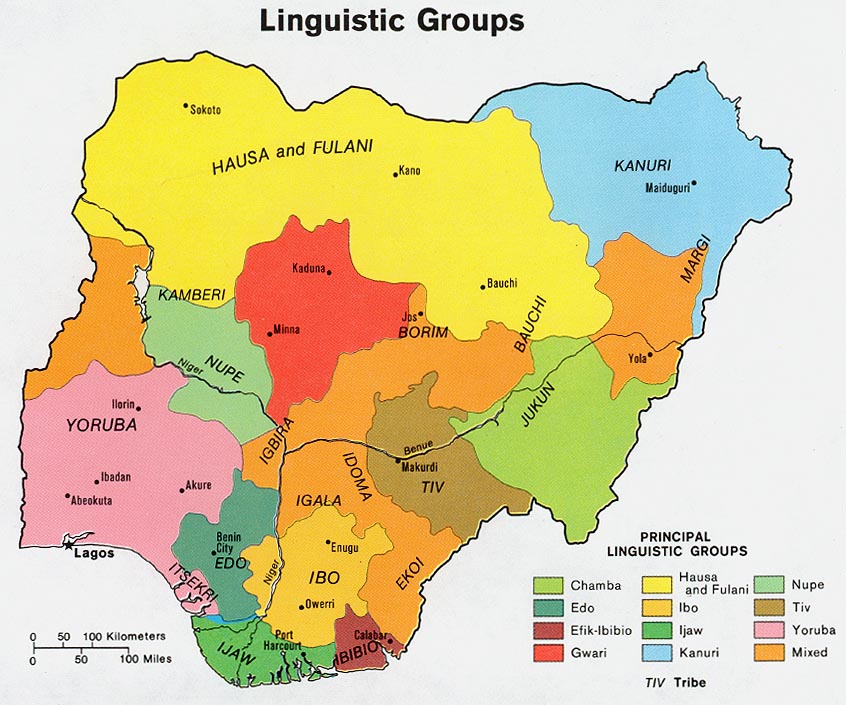
The Ikhin-Aokho people are an ethnolinguistic community traditionally located in Owan East Local Government Area of Edo State, Nigeria, part of the broader Edoid family of languages and cultures. Their language, Ikhin (also called Arokho), belongs to the North-Central branch of the Edoid language group, closely related to neighboring Edoid peoples of the region.
Traditional oral history traces the early roots of Ikhin community identity to historical migrations from the neighboring Benin Kingdom area in the 15th century, when groups moved northward for new land and autonomy. Ikhin is described culturally as the "food bastion of Owan" due to fertile land and emphasis on agriculture.
Their homeland is part of the larger Owan region—one of the cultural zones of Edo State alongside such groups as the Binis, Esan, and Afemai—sharing cultural ties with the Edo (Bini) heritage yet maintaining distinctive local traditions.
The daily life of the Ikhin-Aokho people revolves around agriculture and family togetherness. Farming is central; many grow staple crops like yams, cassava, maize, and groundnuts and also raise small livestock, reflecting the broader agricultural traditions of Edo State. Festive life is grounded in seasonal harvest cycles and community celebrations tied to age-grade and extended family structures.
Food in everyday life features rich Edo-State cuisine—soups and stews such as groundnut soup (omisagwe), black soup (omoebe), and ogbono soup served with pounded yam or fufu, reflecting the agricultural bounty of the land.
Families are typically extended, with older generations playing guiding roles in raising children and passing on cultural norms. Weddings, funerals, and rites of passage are community events interwoven with both traditional custom and Christian observances introduced over the past century. Celebrations such as Ogbe, Ogbe-Ogbe, Ikhaa, and other local festivals mark seasonal change, social milestones, and harvest thanksgiving.
Within the Ikhin-Aokho community today, a blend of traditional beliefs and Christianity is common. The primary religion for the Ikhin-Aokho as identified is Christianity, though many have not fully embraced the evangelical faith; Christian adherence may be nominal rather than deeply rooted in discipleship.
However, like many nearby Edo-affiliated people groups historically, traditional spirituality includes reverence for spiritual beings and ancestral realities. In broad Edo traditional belief, a supreme creator (known as Osanobua) is acknowledged alongside reverence for water and earth spirits and other unseen powers, and rituals historically sought blessings for fertility, prosperity, and community wellbeing.
In daily life, people often hold Christianity alongside cultural rites of passage and community traditions, with both influencing moral codes and social rhythms. Many in the community attend church, but the depth of understanding of the gospel and its transformative power varies widely across households.
The Ikhin-Aokho people long for deeper encounters with the living Jesus Christ that go beyond cultural identity and tradition. True spiritual transformation and understanding of the gospel's life-impacting power are needed at both personal and community levels. Bible resources that speak directly into the heart of the Ikhin-Aokho worldview would enhance spiritual growth and discipleship. Access to discipleship training and intentional relational evangelism can help believers become active participants in Christ's mission, moving from nominal identification with Christianity to mature followers who share Jesus with neighbors, family, and the next generation.
Physical needs include opportunities for economic development that support sustainable agriculture and skills training for youth and adults alike. Access to quality education and healthcare in rural areas of Edo State remains uneven, and families would benefit from ongoing community empowerment that reflects both physical care and spiritual hope.
Pray that the Holy Spirit would open the hearts of the Ikhin-Aokho people to understand the full gospel of Jesus Christ and recognize him as Savior and Lord.
Pray for a movement of disciple-making among families that leads to deep roots in faith.
Pray for local church leaders and new believers to be raised up who are passionate about sharing Jesus in culturally relevant ways.
Finally, pray asking God if he would use you to preach the gospel, teach the Bible, and make disciples of the Ikhin-Aokho peoples.
Scripture Prayers for the Ikhin-Aokho in Nigeria.
Ikhin language - Wikipedia
Ikhin -Ivbiomion Clan - Owan Association USA, Inc
Edo traditional food - Wikipedia
| Profile Source: Joshua Project |