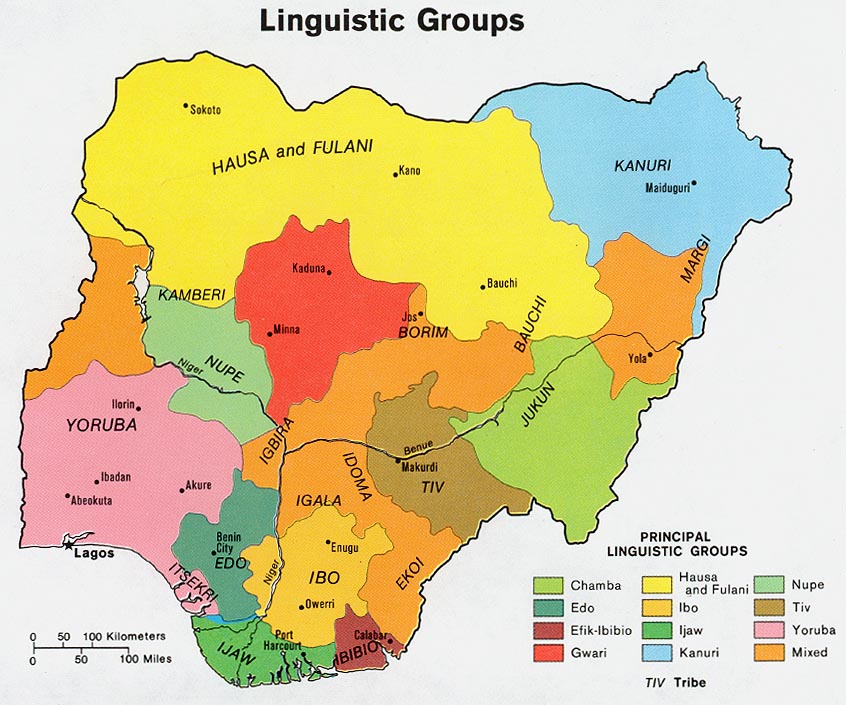
The Shakara people live in Kaduna State of central Nigeria, particularly in Sanga Local Government Area southwest of Fadan Karshe, in a cluster of approximately twenty-five villages surrounding the Ahwai mountain region. Their primary language is Ahwai, specifically the Tari dialect spoken within this area.
Although detailed historical records are limited, their presence in these mountainous settlements reflects long-standing ties to their land and community networks. Their identity is connected to the Benue people cluster, a group of ethnolinguistic communities spread across central Nigeria.
Current descriptions of Shakara daily life are limited, but their distribution among multiple rural villages indicates a lifestyle shaped by the environment of the Ahwai mountain region. The people likely participate in agricultural and local subsistence activities common to rural communities in central Nigeria, though specific crops or economic systems are not detailed in available sources.
Their diet can reasonably be understood within the context of regional food practices, which typically include grains, tubers, vegetables, and locally available produce, though no Shakara-specific foods are documented. Family life is generally structured around village units, where cooperation for survival, land use, and community stability is essential.
Festivals and communal events are not specifically recorded for the Shakara, but their interconnectedness with nearby ethnic communities in Kaduna State suggests they take part in gatherings that strengthen identity, celebrate seasons, or reinforce cohesion.
The Shakara community's primary religious affiliation is Christianity. Christian influence shapes much of their moral and spiritual life, although traditional religious expressions still contribute to identity.
Expanded access to education, healthcare, and stable infrastructure would strengthen family life and improve long-term wellbeing across their villages. Closer proximity to quality medical care and consistent schooling opportunities would reduce hardships common in rural and mountainous communities.
Spiritually, the Shakara church can continue to grow in biblical maturity to strengthen their walk with Christ. Increased discipleship resources and leadership development would enrich local fellowships. Their location among other ethnic groups also presents meaningful opportunities for mature believers to bless others through outreach and compassionate service.
Pray for stronger local education and healthcare resources that will support families and vulnerable households.
Pray for continued spiritual growth among Shakara believers as they follow Christ faithfully.
Pray for greater access to discipleship resources that strengthen churches in remote villages.
Pray that the Shakara Christians will become a gospel force among neighboring less-reached communities.
Scripture Prayers for the Shakara in Nigeria.
| Profile Source: Joshua Project |