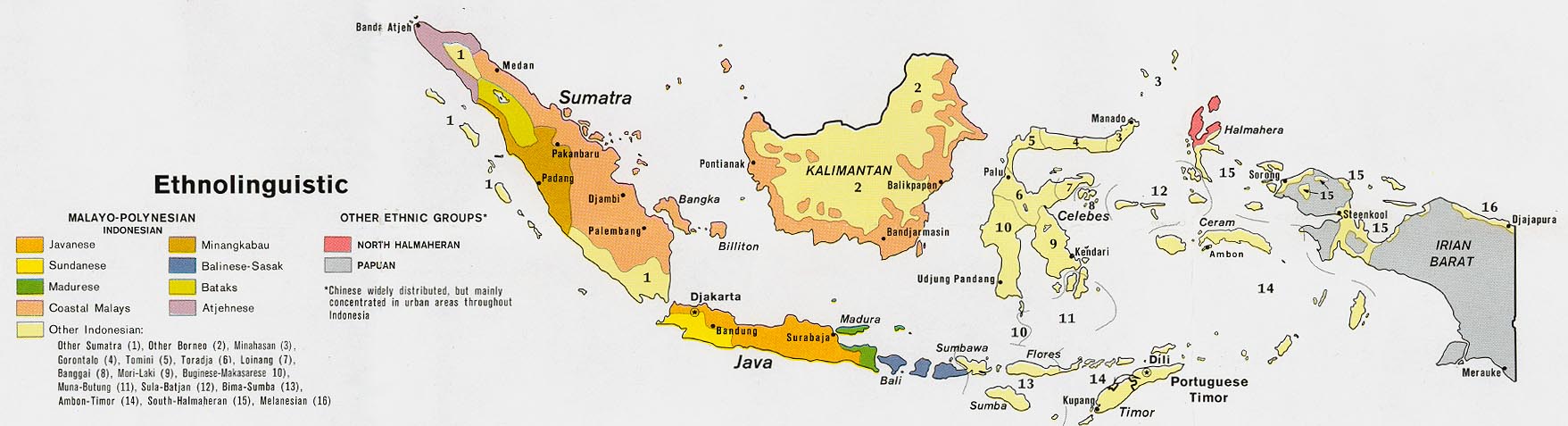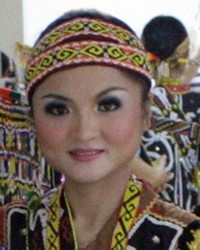

The Taman Dayak are one of the many Dayak subgroups living primarily in West Kalimantan, Indonesia, along the Sibau and Mendalam Rivers near the upper Kapuas River. They are part of the broader Dayak cultural family, which historically inhabited the interior of Borneo. Traditionally, the Taman lived in longhouses—large communal dwellings raised on stilts—where extended families shared life together. Their origins trace back to Austronesian migrations thousands of years ago, and their culture developed around river systems, swidden agriculture, and animistic beliefs. Over time, outside influences such as Malay traders, Dutch colonial rule, and later Indonesian governance introduced new languages, religions, and economic systems, reshaping aspects of Taman identity while leaving core traditions intact.
The Taman Dayak traditionally practice subsistence farming, growing rice and vegetables through shifting cultivation, and supplementing their diet with fishing and hunting. Today, many also work in rubber tapping, small-scale trade, and palm oil plantations, though these industries often bring environmental challenges. Families remain central to Taman life, with kinship ties influencing marriage and social obligations. While modernization has led some younger members to migrate for education or jobs, communal values persist.
Celebrations include harvest festivals and rituals tied to agricultural cycles, often accompanied by music, dance, and traditional attire. Food reflects their close relationship with nature: dishes like manok pansuh (chicken cooked in bamboo), juhu singkah (rattan shoots with fish), and fermented fish (wadi) are staples. Meals often feature rice, forest vegetables, and freshwater fish, cooked with aromatic herbs and wrapped in leaves for flavor.
The Taman historically followed Kaharingan, an animistic belief system emphasizing harmony with nature and ancestral spirits. Rituals involved offerings, dances, and ceremonies to maintain cosmic balance. Today, many Taman identify as Christians, while some have adopted Islam, yet traditional practices and respect for the spirit world remain deeply embedded in cultural life. Ceremonies like Tiwah (secondary burial) and harvest rituals reflect enduring spiritual values.
The Taman face significant physical challenges, including limited access to healthcare, education, and clean water. Environmental degradation from logging and palm oil plantations threatens their land and food security. Economically, many struggle with poverty and lack of sustainable livelihoods.
Spiritually, while Christianity has grown, there is still a need for discipleship and Bible translation in their heart language. Traditional beliefs and syncretism persist, and many have not heard a clear presentation of the gospel.
Pray for improved access to education and healthcare for Taman communities living in remote areas.
Pray for protection of their forests and rivers from destructive practices that threaten their way of life.
Pray for followers of Christ among the Taman to grow in faith and share the gospel with wisdom and cultural sensitivity.
Pray for translation and distribution of Scripture in the Taman language so that people can understand God's word clearly.
Scripture Prayers for the Dayak, Taman in Indonesia.
Thambun Anyang, Kebudayaan dan Perubahan: Pengaruh Modernisasi pada Dayak Taman Kalimantan (Gramedia, 1998).
"40 Facts About Kaharingan," Facts.net.
"The Unwritten Recipe of Dayak Peoples," Slow Food.
"25 Unique and Delicious Dayak Dishes,"
| Profile Source: Joshua Project |