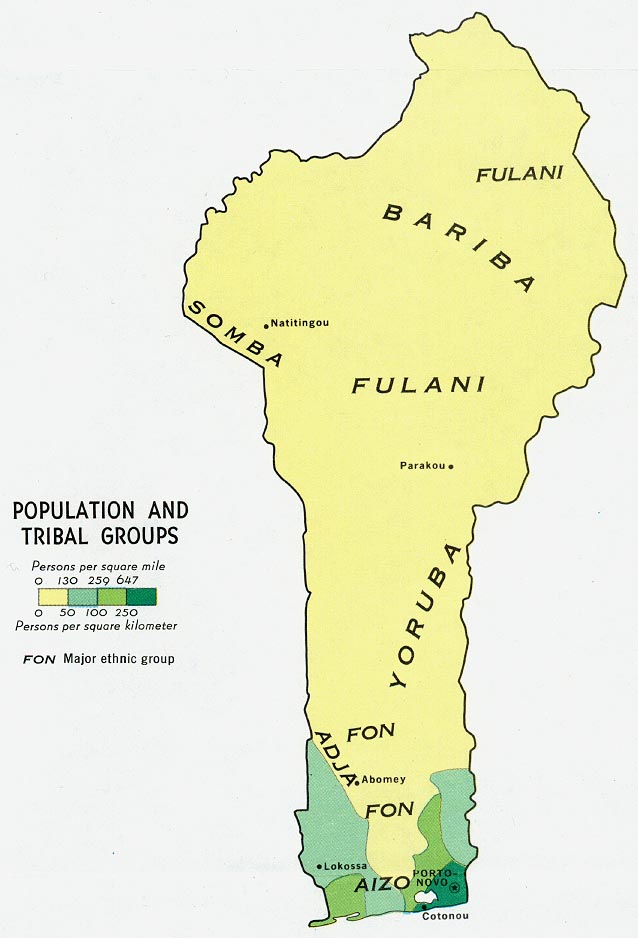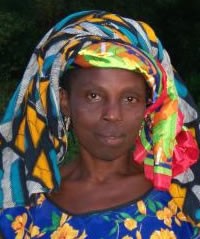

The Weme Gbe are a subgroup of the larger Gbe-speaking peoples, residing primarily in the Mono, Weme, and Atlantique provinces of southern Benin. Their language, Weme Gbe, is part of the Gbe cluster within the Niger-Congo language family. The Weme Gbe share historical and cultural ties with neighboring Gbe groups such as the Fon, Aja, and Xwla. Their history is marked by migration, intermarriage, and adaptation to the fertile lands along the Ouémé River basin. Despite external influences, the Weme Gbe have preserved their unique identity through language, customs, and traditional governance structures
Daily life among the Weme Gbe is strongly connected to the natural environment. Many families depend on farming, fishing, small-scale trading, and craftwork for their livelihoods. Crops such as maize, cassava, and vegetables form the foundation of local diets, often supplemented by fish from nearby waters. Meals are often communal, featuring starchy staples paired with sauces made from vegetables, palm oil, or fish. Despite the warmth of community life, many households face economic uncertainty and limited access to education, healthcare, and infrastructure.
Family life is central, with extended families commonly living near one another and sharing responsibilities for child-rearing and economic survival. Elders are respected for their wisdom and role in decision-making.
Celebrations and festivals play an important role in community life, marking agricultural cycles, life events, and traditional observances. Music, dance, and storytelling are common expressions of cultural identity.
The Weme Gbe are predominantly animist, with religious beliefs centered on the veneration of spirits, ancestors, and natural forces. Rituals, sacrifices, and festivals are conducted to honor these spiritual entities and seek their favor. Ancestor worship is particularly significant, and traditional priests or diviners play important roles in mediating between the spiritual and physical worlds. While some Weme Gbe have been influenced by Christianity or Islam, traditional beliefs remain deeply rooted, and syncretism is common.
There is a need for culturally relevant evangelism, discipleship, and church planting. Many Weme Gbe communities lack adequate access to clean water, healthcare, and education. Economic development and agricultural training could help address poverty and improve living conditions. Literacy programs, health education, and leadership training would empower the Weme Gbe to build stronger, more resilient communities.
Pray for the Holy Spirit to prepare the hearts of the Weme Gbe to receive the message of Jesus Christ.
Pray for the emergence of local leaders who will disciple others and plant Christ-centered churches.
Ask God to send Weme Gbe workers to those without the hope of Christ, both within and outside their community.
Intercede for breakthroughs in education, healthcare, and economic development among the Weme Gbe.
Scripture Prayers for the Gbe, Weme in Benin.
Digital Bible Society. (n.d.). Weme Gbe. https://dbs.org/en/research/languages/wem/
PeopleGroups.org. (n.d.). Weme of Benin. https://peoplegroups.org/people_groups/pg012359/
Ethnologue. (n.d.). Weme (wem). SIL International. https://www.ethnolog
| Profile Source: Joshua Project |