


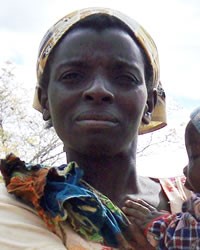

The Toka people live in the northwestern regions of Zambia, particularly near river valleys and forest-edge landscapes that bridge inland and cross-border zones with neighboring Angola and the Democratic Republic of Congo. They are part of the broader Bantu ethnic and linguistic world that characterizes much of central and southern Africa, with a language and cultural identity tied to longstanding settlement, clan structures, and cooperation among neighboring groups. Historical patterns of movement, trade, and intermarriage in this region have connected Toka people with multiple ethnic networks while preserving their distinct language and social traditions.
Daily life among the Toka is shaped by extended family bonds and community networks that provide mutual support and shared labor. Subsistence agriculture forms the backbone of livelihood, with families cultivating staple crops such as cassava, maize, groundnuts, and vegetables on small plots near village compounds. Fishing, hunting, and the gathering of wild foods supplement food supplies in some areas, especially where rivers and woodlands provide accessible resources. Community rhythms include cooperative gardening, shared meals, and inter-family celebration during weddings, harvest times, and other important life events. Children typically grow up learning the Toka language at home, while broader communication often includes Bemba, English, or other regional languages, especially for schooling, marketplaces, and civic engagement.
Traditional beliefs related to ancestors, spiritual forces, and community well-being continue to shape how some families interpret life experiences and customary practices. In everyday life, Christian faith and cultural heritage may coexist, influencing how people express values, handle life challenges, and approach celebrations or community rituals.
Some Toka people today identify with Christianity, with local churches serving as places of worship, fellowship, and community support. Access to portions of Scripture or Christian teaching materials in languages they understand supports spiritual formation and discipleship for believers.
Despite Christian identification in many communities, there remains a need for deeper biblical discipleship and leadership development that grounds believers in Scripture and equips them to apply its teachings to family life, community responsibilities, and personal decision-making. Local pastors, teachers, and lay leaders benefit from ongoing support, mentorship, and access to teaching resources. Strengthening family ministry and youth discipleship can help nurture faith across generations, especially in areas facing economic and social pressures. Opportunities for sustainable livelihood support, education access, and community development also contribute to overall well-being and create environments where churches can minister more effectively.
Pray that Toka believers will grow in a deep and practical love for scripture that shapes daily life and relationships.
Pray for local pastors and church leaders to be equipped with wisdom, compassion, and a strong grasp of biblical teaching.
Pray for unity, peace, and mutual support within families and community networks.
Pray for youth and young adults to be rooted in faith and confident in their witness in their communities.
Pray that the Toka church will be encouraged and empowered to share the gospel with neighboring peoples who have limited access to scripture.
Scripture Prayers for the Toka in Zambia.
https://www.ethnologue.com/language/twk
| Profile Source: Joshua Project |



