


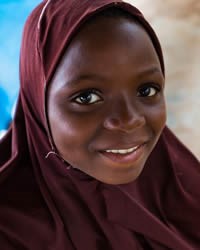

The Sekpele people of Ghana also use the name Likpe, and they speak a language people commonly call Likpe or Sekpele. They live in the mountainous area of eastern Ghana near Hohoe, where village life and travel follow the patterns of the terrain. The Sekpele belong to a wider cluster of Ghana–Togo Mountain peoples, and the region's history and geography continue to shape community identity.
Sekpele belongs to the larger Niger–Congo language family and sits within the Ghana–Togo Mountain language grouping. Linguistic research describes Sekpele as a distinct local language with its own structures and patterns, and it reflects a long-established community in the area. In daily life, Sekpele speakers also interact with larger regional languages through school, trade, and church life.
Sekpele communities organize life around extended family ties, local leadership, and shared responsibilities. Many households include multiple generations. Older relatives guide family decisions, and younger adults carry much of the daily labor. Families mark births, marriages, and funerals as major community events, and they strengthen social bonds through these gatherings.
Sekpele families build daily life around the land. Many people farm and engage in small-scale trade. Market days connect villages to nearby towns and to regional networks. Children often combine school with household responsibilities, and many also help with farming work during busy seasons.
The community often works through cooperation. Neighbors share labor for farming and building, and they support one another during hardship. Festivals and communal gatherings reinforce identity and strengthen relationships. People often use music, dance, and storytelling to celebrate and to pass on community memory.
Researchers present the Sekpele as a people with a broadly Christian identity. Many communities express faith through local congregations, prayer, and scripture teaching in languages people understand.
Some families also continue to honor ancestral traditions and local customs, especially around rites of passage and community ceremonies. When families do this, they often treat these practices as cultural responsibilities alongside church involvement. These patterns vary from place to place, so descriptions should remain careful and restrained.
Sekpele believers need deep discipleship that shapes everyday life, not only public worship. Churches need steady Bible teaching, healthy leadership, and Christian homes that practice faith daily. As churches mature, Sekpele Christians also need to embrace their role in God's mission and carry the gospel to neighboring communities and other peoples.
Sekpele families benefit from stable livelihoods, quality education, and practical health support. Young people often need mentoring and vocational guidance that strengthens faith and family life. In mountainous areas, communities also need reliable access to services and transportation, which increases the value of local cooperation and compassionate leadership.
Pray that Sekpele believers grow in maturity and live with confidence in God's word.
Pray that God raises up humble, faithful local leaders who teach scripture clearly.
Pray that households practice prayer, forgiveness, and Christlike character.
Pray that Sekpele Christians join the mission force and bring the gospel to other peoples throughout Africa.
Scripture Prayers for the Sekpele in Ghana.
| Profile Source: Joshua Project |



