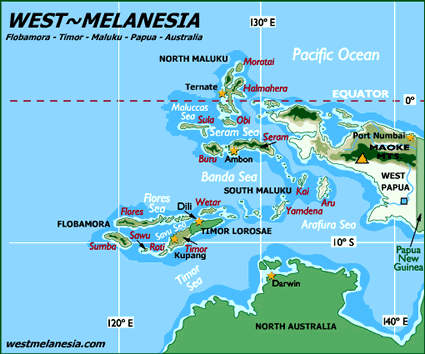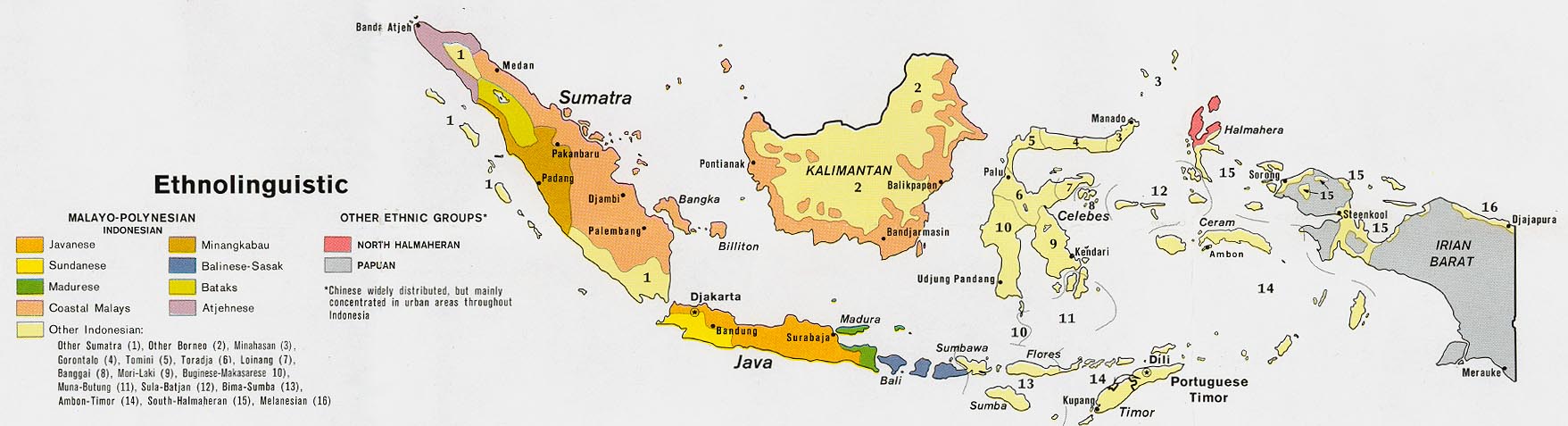
The Sahu (also called Sau, Sa'u, or by dialect names Pa'disua, Tala'i) are an indigenous people group living on Halmahera Island, particularly in West Halmahera Regency, North Maluku Province, Indonesia. According to local tradition, their earlier name was Ji'o Jepung Malamo, which later became Sahu—a name said to be given under the influence of the Ternate sultanate. Their language, Sahu, is part of the North Halmahera subgroup of the West Papuan (or North Moluccan) phylum. There are several dialects, including Pa'disua and Tala'i.
Historically, the Sahu lived under the suzerainty of the Ternate Sultanate, paying tribute, but conversion to Islam was limited; later, Christian missionaries brought the gospel, and by the mid-20th century a majority identified as Christian.
The Sahu maintain a largely rural, subsistence-based way of life, though change is underway. Many are involved in agriculture, especially small-scale rice farming. As cash economies grow, some Sahu enter paid employment in education, health, and governmental administration.
Because of increasing monetization, they may cultivate cash crops or balance production for subsistence with market-oriented work.
Sahu society is strongly communal. Their traditional social life centers on the Sasadu, a large communal house found in each village, which serves not only as a meeting place but as a symbol of their social values and identity. Within Sasadu, social authority, ethics, and customary decision-making are expressed, and the house itself is deeply symbolic.
Leadership among the Sahu has roots in their pre-colonial structure: under the Ternate Sultanate, they had traditional roles led by "walasae" (clan leaders) and officials connected to the sultanate system.
Today the community preserves these customary social-governance patterns even as they engage with modern institutions.
One of the most significant Sahu traditions is Orom Sasadu, a communal feast ritual held twice a year. The larger harvest feast usually takes place after the rice harvest (traditionally in August, though more recently timed with the Jailolo Bay Festival). In earlier times, these celebrations could last multiple days and nights; now they often feature traditional food (especially a rice dish called cala rice) and symbolic communal meals.
Staple diets include rice grown in their fields, supplemented by garden vegetables, forest goods, and perhaps wild yams or tubers. During orom sasadu, cala rice—a twin rice made especially for ritual—is served.
Community cooperation (known locally as rion-rion) in farming helps sustain their agricultural way of life.
Although formally many Sahu are now Christian, their belief system remains deeply informed by traditional social and symbolic structures. The Sasadu traditional house is not merely architectural: it embodies spiritual and communal meaning, representing social authority, legal ethics, and a worldview of unity.
Historically, the Sahu honored indigenous beliefs associated with nature, ancestors, and communal reciprocity. Even after conversion to Christianity (largely in the mid-20th century, via Protestant mission outreach) they retained elements of their ritual calendar and social practices. In their communal rituals such as orom sasadu, they combine thanksgiving (which may now be framed in Christian terms) with deeply rooted symbolic gestures of mutual cooperation and gratitude.
Religiously, Sahu life reflects a twofold identity: adherence to formal Christianity (with churches, Christian services) and a continued respect for traditional values encoded in their social structures (Sasadu), which function as a filter for modern development.
Because of this, they often navigate both modern faith and ancestral wisdom in daily life.
Spiritually, the Sahu would benefit from deeper discipling: although a majority identify as Christian, only a small portion are evangelical, suggesting that many may have faith in name but lack a strong biblical foundation and personal commitment. Culturally rooted believers who understand how to integrate the gospel with Sahu values (such as the importance of Sasadu and mutual cooperation) are especially needed.
They also need resources in their own language: the Sahu New Testament exists, but ongoing Scripture engagement through community Bible studies, audio Scripture, and oral discipleship in Sahu would strengthen their faith and help raise up leaders. Given their communal identity, training indigenous pastors or lay leaders who understand traditional structures (such as village councils, Sasadu) is critical for sustainable spiritual growth.
On a social level, the Sahu are facing the pressures of modernization and development. As external influences grow (economic development, government infrastructure, migration), their local wisdom and values embedded in Sasadu risk being eroded or commodified. Supporting them in ways that respect and preserve their values is vital: initiatives to develop sustainably, educate their youth, and promote local leadership could help them navigate change without losing identity.
Finally, in terms of physical needs, many Sahu live in relatively remote or semi-rural settings where access to health, education, and economic opportunity may be limited. Investment in community infrastructure—clean water, schools, clinics—and culturally appropriate development programs would help the Sahu improve their quality of life.
Pray that Sahu believers will grow in their love for Jesus, rooted in Scripture, and that many will move beyond nominal faith into a vibrant, disciple-making life that integrates their Christian beliefs with their communal Sahu identity.
Pray for the raising up of Sahu church leaders—pastors, elders, lay disciples—who understand both the gospel and the cultural significance of Sasadu, so they can shepherd and evangelize in culturally meaningful ways.
Pray for meeting the Sahu's material needs, that God would provide opportunities and resources for health, education, and sustainable economic development, and that such support would open doors for the gospel to be lived out tangibly.
Scripture Prayers for the Sahu, Sau in Indonesia.
Nanuru, Ricardo Freedom, et al. Sasadu: The Religious Social Spirit of Sahu Tribe Community in North Maluku.
Visser, Leontine E. "The Historical Paths of Sahu Ceremonial Textiles." Archipel.
BorneoHouse / Indonesian cultural description of Sasad
| Profile Source: Joshua Project |