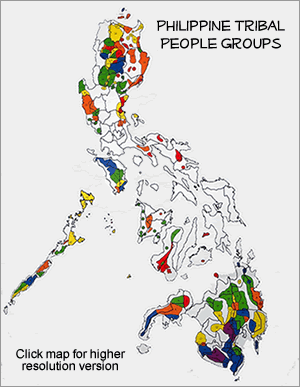
The Pudtol Atta are one of several indigenous Aeta subgroups inhabiting the island of Luzon in the northern Philippines. These skilled hunter-gatherers belong to the wider Negrito ethnic cluster of Southeast Asia and are believed to be among the earliest inhabitants of the Philippine archipelago, with their presence in the region predating the Austronesian migrations by thousands of years. The Pudtol Atta have maintained their distinct identity and language despite centuries of contact with other populations, particularly the Isneg people who comprise the majority ethnic group in Pudtol municipality. The few remaining Pudtol Atta settle along the Abulog River in northeastern Apayao in the Cordillera Administrative Region, south of Pamplona.
Their language, Pudtol Atta, is an Austronesian dialect that reflects both their ancient heritage and the cultural interactions that have shaped their community over millennia. Unlike many Aeta groups that experienced major disruptions during Spanish colonial rule and the Mount Pinatubo eruption of 1991, the Pudtol Atta have remained relatively isolated in their riverside settlements, maintaining continuity with their traditional way of life even as the modern world encroaches upon their territories.
The Pudtol Atta build their homes along the Abulog River and other waterways where abundant protein-rich food sources sustain their communities. Their dwellings reflect centuries of adaptation to forest and riverine environments, traditionally constructed from available natural materials including branches, bamboo, and palm leaves. Contemporary Pudtol Atta have adopted some articles of modern clothing such as T-shirts and pants, though many still wear traditional wraps and garments, particularly in more remote settlements.
Hunting and fishing remain central to Pudtol Atta subsistence, with men preparing before and after expeditions through ceremonial dances that connect these vital activities to their spiritual worldview. Women gather shellfish and forest plants, performing dances the night before harvesting that express both apology to the creatures they will take and intention for a successful gathering.
Family life remains organized around small kinship groups, with extended family networks providing the primary social structure. Community celebrations and rituals mark significant life transitions and seasonal cycles, including ceremonies associated with hunting, birth, marriage, and death. These gatherings reinforce social bonds and transmit cultural knowledge across generations, with storytelling and music serving as essential means through which the Pudtol Atta pass wisdom, history, and values to their children.
The Pudtol Atta practice ethnic religion rooted in animistic beliefs developed over millennia of life in harmony with their natural environment. Their worldview recognizes spiritual presences throughout the landscape, with particular significance attached to the river, mountains, forests, caves, and animal species that sustain their lives. They believe in multiple spirits, referred to as "anito," that inhabit specific natural features and require respectful interaction. Some of these spirits are benevolent protectors and guides, while others may bring harm if offended or neglected. The Pudtol Atta understand their relationship with the spiritual realm as reciprocal, involving offerings and ritual acknowledgment before hunting expeditions and gathering activities. Forest spirits such as Kamana provide comfort and guidance during difficult seasons.
Religious specialists, including shamans and spiritual healers, serve as intermediaries between the physical and spiritual worlds, conducting rituals and ceremonies essential to community wellbeing. Prayer and ritual are woven throughout daily economic and social activities rather than confined to special occasions. While some younger Pudtol Atta have encountered Christian influences through neighboring communities and government services, traditional ethnic religion remains the dominant spiritual framework shaping their understanding of reality, health, misfortune, and human responsibility toward the natural world.
The Pudtol Atta face significant barriers to education, as schools in the remote Abulog River region are scarce and often located at considerable distances from settlements. Access to formal healthcare is limited, and infant and child mortality rates exceed those of the broader Philippine population. Economic opportunities remain severely restricted, with limited markets for traditional forest products and few pathways to wage employment. Recognition and protection of their territorial rights over the Abulog River watershed would secure their access to traditional food sources and prevent displacement through logging, mining, or agricultural encroachment. Infrastructure development, including reliable pathways and communication networks, would reduce the isolation that limits access to services and markets. Healthcare services delivered with cultural sensitivity and awareness of traditional healing practices would improve community health outcomes. Educational programs that respect the Pudtol Atta language and incorporate their knowledge systems alongside formal academic learning would better serve their development without undermining cultural continuity.
Intercede for healing of diseases that afflict the community, including waterborne illnesses and respiratory conditions, asking God to provide qualified healthcare workers who understand both modern medicine and traditional healing knowledge.
Pray that the gospel will be proclaimed clearly to the Pudtol Atta in language and cultural forms they can understand and respond to.
Petition the Lord to open hearts among the Pudtol Atta to receive Christ as Savior and Lord, turning them from dependence on spirits to relationship with the living God.
Ask God to move churches in nearby Isneg and other communities to develop burden and vision for reaching the Pudtol Atta, extending genuine partnership and spiritual support.
Scripture Prayers for the Atta, Pudtol in Philippines.
https://www.peoplegroups.org/Explore/groupdetails.aspx?peid=7758
https://www.ethnicgroupsphilippines.com/ethnic-groups-in-the-philippines/atta/
https://en.wikipedia.org/wiki/Aeta_people
https://en.wikipedia.org/wiki/Atta_language
https
| Profile Source: Joshua Project |