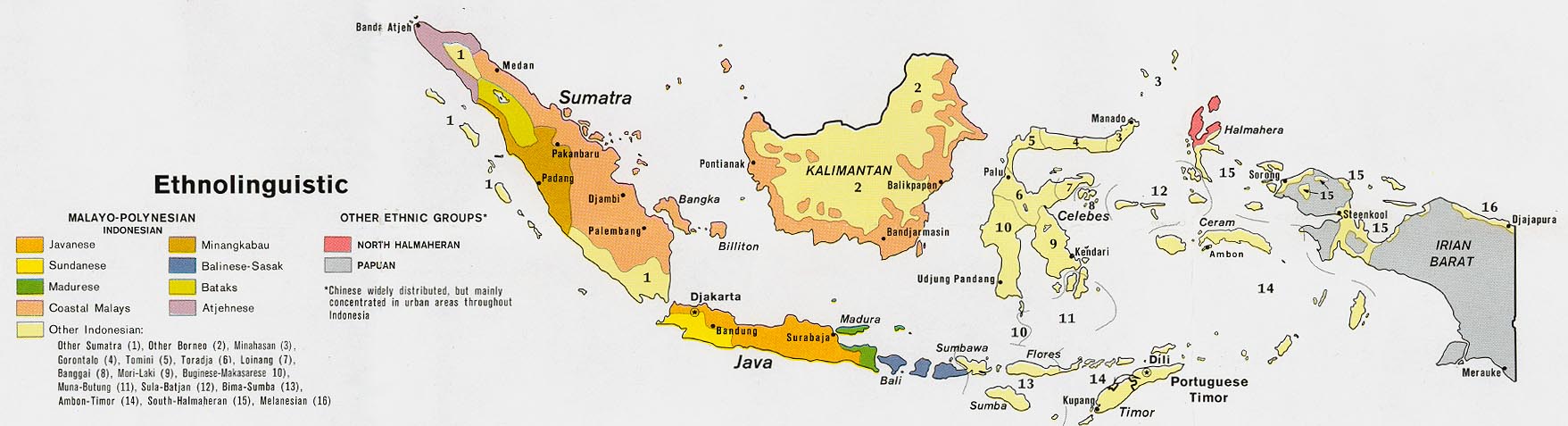

The Pamona people, also known as Bare'e or To Pamona, inhabit Central Sulawesi, primarily in Poso Regency, with smaller communities in Tojo Una-Una and North Morowali. Historically, they trace their origins to the Salu Moge region in East Luwu, South Sulawesi, from where they migrated centuries ago. The name "Pamona" comes from a hill near Lake Poso, which became the center of an early kingdom. Dutch ethnographers classified them as part of the Toraja cultural group, specifically the East Toraja branch. Over time, the Pamona developed a strong communal identity, shaped by oral traditions such as Kayori, which preserve cultural values and social norms.
The Pamona live in villages around Lake Poso and along river valleys. Agriculture is central to their livelihood, with rice, maize, and cocoa as major crops. Many families also raise livestock and engage in fishing. Houses are typically wooden structures, often built on stilts, and villages are organized around kinship ties. Social life is vibrant, with traditional music and dances performed during weddings and harvest festivals. Food staples include rice, vegetables, fish, and occasionally meat, often prepared with local spices. Community gatherings and cooperative work are common, reflecting a culture of mutual support.
Christianity is the dominant faith among the Pamona, introduced by missionaries in the late 19th century. Today, most Pamona belong to the Central Sulawesi Christian Church (GKST), headquartered in Tentena.
While Protestant Christianity is widely practiced, elements of traditional belief persist, such as respect for ancestral customs and rituals like giwu, which historically served as a means of restoring social harmony. These cultural practices are sometimes integrated into Christian life, creating a unique expression of faith within Pamona society.
Although the Pamona have embraced Christianity, there is a need for deeper discipleship and leadership training to strengthen local churches. Economic challenges remain, as many communities depend on subsistence farming and lack access to modern agricultural techniques. Education and healthcare services are limited in rural areas, leaving families vulnerable to poverty and preventable illnesses. Infrastructure development, such as better roads and clean water systems, would greatly improve living conditions and connectivity.
Pray for spiritual growth among Pamona believers, that their faith would be rooted in Scripture and expressed in ways that honor Christ.
Ask God to raise up strong local leaders and pastors who can guide their communities.
Pray for improved access to education and healthcare, and for sustainable economic opportunities that reduce poverty.
Intercede for cultural practices like giwu to be transformed by the gospel, pointing people to reconciliation through Christ.
Pray that Pamona Christians will become a mission force, sharing the good news with neighboring groups.
Scripture Prayers for the Pamona, Poso Toraja in Indonesia.
History of the Pamona Tribe
PeopleGroups.org – Pamona
Christ's Redemption and Giwu – Cultural Contextualization
| Profile Source: Joshua Project |