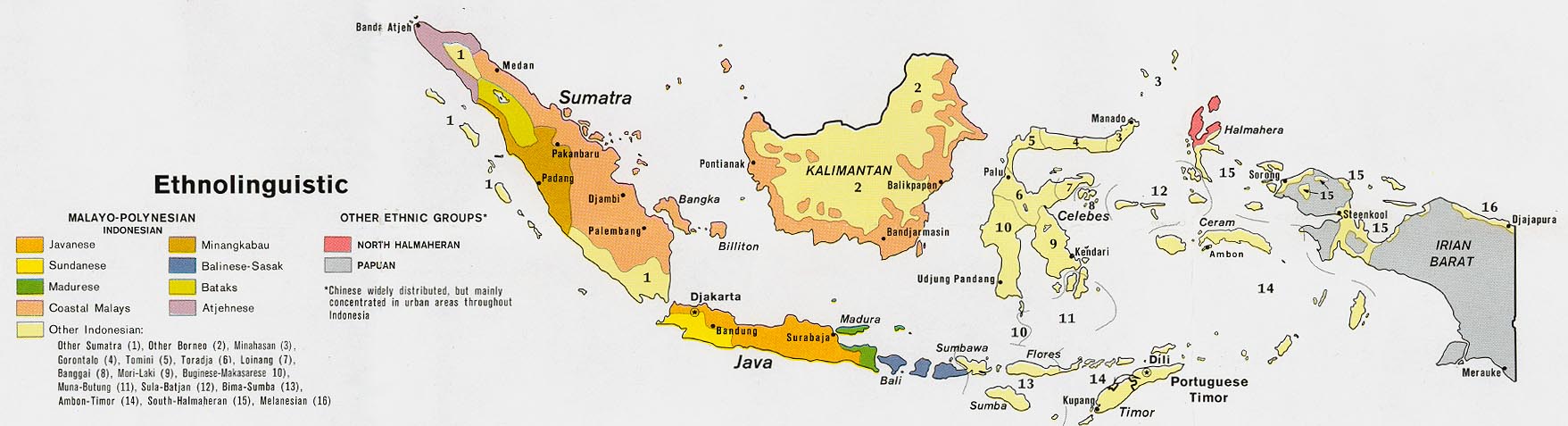
The Marau people, also known by alternate names such as Natabui or Warabori, speak the Marau language, which belongs to the Lakes Plain family and includes dialects associated with various local clans and villages. This language remains vital for daily communication among the group, though a Bible translation effort has only recently begun, with some audio Bible teachings available in their tongue. The Marau have lived for generations along the southern coast of eastern Yapen Island in what is now Papua Province, Indonesia, fronting the expansive Cenderawasih Bay. Their history reflects the broader story of Austronesian and Papuan peoples in the region, shaped by migration, trade across coastal waters, and interactions with neighboring groups, all while maintaining a distinct identity in their five primary villages.
The Marau people reside in a cluster of villages on the coastal fringes of Yapen Island, where the landscape blends mangrove-lined shores with access to the rich marine resources of Cenderawasih Bay. Daily life revolves around fishing in outrigger canoes, gathering sago from the surrounding palms as a staple food, and tending small gardens for supplementary crops like cassava, bananas, and vegetables. Community ties remain strong, with extended families living in elevated wooden houses built on stilts to guard against flooding. Social customs emphasize respect for elders and cooperative work in village activities, while the tropical climate brings both abundant rainfall for subsistence and challenges from seasonal storms that can disrupt fishing and travel.
The Marau people predominantly follow Christianity, with churches serving as central gathering places for worship, community events, and moral guidance in village life. Evangelical faith has taken root among them over the past decades through the efforts of missionaries and local believers, leading many to embrace Jesus Christ as Lord and Savior. A small portion of the population continues to incorporate elements of traditional animistic beliefs, honoring spirits associated with the sea, land, and ancestors alongside their Christian practices.
Access to quality education and healthcare remains limited in the remote villages, making it difficult for children to receive consistent schooling and for families to address medical concerns promptly. Reliable transportation and infrastructure would help connect the Marau more effectively with larger towns for markets, supplies, and opportunities. Discipleship and leadership training within the church are essential to strengthen believers and equip them for mature faith. Scripture in the Marau language needs completion so that God's word can be fully read and understood in the heart language, fostering deeper spiritual growth.
Pray that the Lord provides improved schools, teachers, and health clinics for the Marau villages, meeting their physical needs for education and medical care in practical ways.
Ask the Father to protect them from natural disasters common to coastal areas and to bless their fishing and gardening efforts with abundance.
Intercede for the ongoing Bible translation work, that dedicated translators would complete the Scriptures accurately and swiftly so families can study God's word together.
Pray for the gospel to penetrate deeply into every Marau household and community, drawing any who blend Christianity with traditional beliefs into a full surrender to Christ alone.
Beseech the Holy Spirit to raise up strong, godly leaders from among the Marau who will shepherd the churches and teach new believers to evangelize and disciple others.
Finally, lift up prayers that the Marau believers would grow into a vibrant part of the global discipleship force.
Scripture Prayers for the Marau in Indonesia.
Ethnologue. "Marau." Languages of the World. SIL International.
Global Recordings Network. Audio Bible teachings in Marau. https://globalrecordings.net/en/language/mvr
| Profile Source: Joshua Project |