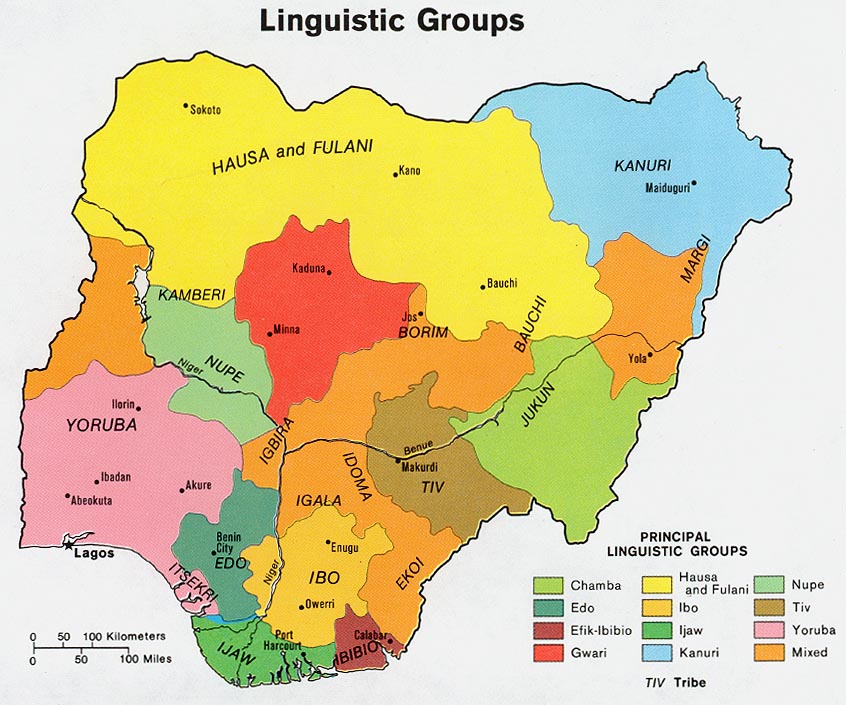

The Ngamo are a Chadic ethnic group living in northeastern Nigeria, primarily in Yobe State around the city of Gadaka. Their language, Ngamo, belongs to the West Branch of the Chadic language family and is related to Hausa, the dominant language throughout northern Nigeria. Ngamo exists in two major dialects—Gudi and Yaya—which differ considerably in phonology and vocabulary yet maintain sufficient mutual intelligibility to be classified as a single language. The traditional leadership of the Ngamo centers on the court of Mai Gudi, their pre-eminent traditional ruler. The Ngamo maintain a distinct cultural identity and have preserved their indigenous language as their primary tongue, though younger generations increasingly learn Hausa and English due to expanding trade connections and educational opportunities.
The Ngamo are primarily an agricultural people, with farming and herding forming the foundation of their economy and daily life. Most Ngamo engage in subsistence farming, cultivating crops suited to the semi-arid climate of Yobe State. Millet, sorghum, cowpea, and maize serve as staple food crops, while groundnut, gum arabic, sesame seed, and cotton are grown as cash crops. Livestock production—particularly cattle, goats, and sheep—also plays an important role in the livelihoods of Ngamo families, providing both food and wealth that can be mobilized during times of need.
Family life among the Ngamo is organized around extended kinship networks that provide social cohesion and mutual support. The household typically includes multiple generations living in close proximity, with senior males serving as family leaders and decision-makers. Marriage remains an important social institution, often accompanied by traditional practices such as bride price and formal negotiation between families. As is customary throughout northern Nigeria, Ngamo men traditionally take multiple wives, with the first wife often holding responsibility for welcoming and assisting newer wives into the household. Children are raised communally, with aunts, uncles, and grandparents all sharing in their care and instruction.
Celebrations and festivals mark the rhythm of Ngamo life, with music and dance serving as essential expressions of cultural identity and community joy. Traditional instruments accompany important life events including births, marriages, and funerals, with storytelling and verbal arts enriching these gatherings. Food remains central to Ngamo social life, with family meals and community feasts reinforcing bonds of kinship and obligation. Meals typically feature grains prepared in various ways, vegetables, and occasionally meat from livestock or hunting. Hospitality is highly valued, with generosity toward guests considered essential to maintaining one's honor and standing in the community.
The Ngamo traditionally practice animism, a worldview in which the natural world—including animals, plants, and even inanimate objects—possesses spiritual essence and power. This understanding shapes how the Ngamo relate to their environment, agricultural practices, and responses to illness or misfortune, as these circumstances are often attributed to the activity of spiritual forces. Belief in a supreme creator exists alongside reverence for lesser spiritual beings and ancestors who are understood to maintain ongoing relationships with the living. Many Ngamo communities integrate elements of Islam into this traditional framework, creating a syncretistic religious practice that honors both indigenous beliefs and Islamic teachings. The gospel of Jesus Christ has begun to take root among some Ngamo communities, though the movement toward Christian faith remains limited.
The Ngamo face several significant challenges that limit their opportunity to thrive. Agricultural productivity remains constrained by unpredictable rainfall patterns and climate variability, which create cycles of food insecurity that leave families vulnerable to hunger during lean seasons. Limited access to improved farming inputs, such as quality seeds and fertilizers, restricts crop yields at a time when population growth creates ever-greater demand for food. Healthcare facilities in rural Ngamo communities remain inadequate, with maternal and child mortality rates reflecting the broader challenges facing Yobe State. Educational opportunities, particularly at secondary levels, remain limited in Ngamo areas, restricting the ability of young people to acquire skills that would enable them to escape poverty. The legacy of regional insecurity has disrupted social cohesion and created ongoing trauma within communities, leaving lasting psychological and economic impacts that hinder recovery and development.
Pray that Jesus Christ would open the hearts of Ngamo people to recognize him as their true source of hope, redemption, and life itself.
Ask God to break through the spiritual opposition that has kept so many from understanding the transforming power of the gospel and the love of Christ that desires to bless all people.
Pray for Ngamo believers already walking with Christ to grow in faith and boldness.
Pray for the Holy Spirit to raise up Ngamo pastors, teachers, and evangelists who understand their own culture deeply and can communicate the gospel in ways that resonate with Ngamo hearts.
Scripture Prayers for the Ngamo, Ngamawa in Nigeria.
African Languages at UCLA - Ngamo Language Materials. http://aflang.humanities.ucla.edu/language-materials/chadic-languages/yobe/ngamo/
Dole, Jibir Audu Janga, Umaru Mamu Goge, and Isa Adamu Gashinge. 2009. Ngamo-English-Hausa Dictionary. Yobe Langua
| Profile Source: Joshua Project |