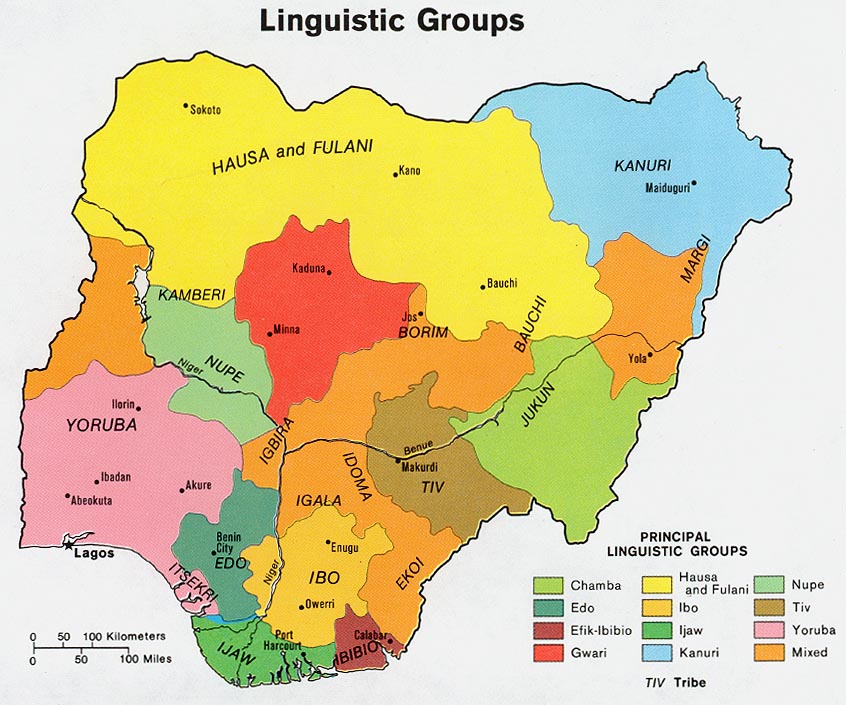
The Vono Kiballo are an ethnic group residing in northeastern Nigeria, primarily within Adamawa State. Their language, Avonnoh, is part of the Chadic branch of the Afro-Asiatic language family. The Vono Kiballo have their own oral tradition, with stories passed down through generations that speak of their migration and settlement in the region. Over time, they have maintained a distinct cultural identity, even as they have interacted with neighboring peoples and adapted to broader social and political changes in Nigeria. Their history is marked by resilience and a strong sense of community, which continues to shape their way of life today.
The Vono Kiballo are primarily engaged in subsistence agriculture, cultivating crops such as millet, sorghum, maize, and beans. Farming is a family endeavor, with men, women, and children all contributing to the planting, tending, and harvesting of crops. In addition to agriculture, some families raise livestock, including goats, sheep, and chickens, which provide both food and a source of income.
Family life is central to Vono Kiballo society. Households often include extended family members, and elders are respected for their wisdom and leadership. Children are valued and taught from a young age to participate in daily chores and community life. Social gatherings are important, especially during harvest festivals, weddings, and naming ceremonies. These occasions are marked by traditional music, dance, and storytelling, which help to preserve cultural values and strengthen community bonds.
Meals are typically prepared from locally grown ingredients, with staple foods including porridges made from millet or sorghum, accompanied by vegetables and, when available, meat. Sharing food is an important expression of hospitality and unity within the community.
The religious life of the Vono Kiballo is shaped by a blend of traditional beliefs and the influence of Islam. Many people continue to observe indigenous religious practices, which involve honoring ancestors and seeking guidance from spiritual forces through rituals and ceremonies. At the same time, Islamic beliefs and practices have become significant, with some individuals participating in Muslim worship and observing Islamic festivals. This coexistence of traditional and Islamic elements is reflected in daily routines, community events, and social customs.
Educational opportunities for Vono Kiballo children are limited, which affects their ability to pursue further learning and development. Access to healthcare is also a challenge, with many families relying on distant or under-resourced medical facilities. Clean water and improved sanitation are ongoing concerns, particularly during the dry season. Economic opportunities beyond subsistence farming are scarce, making it difficult for families to improve their standard of living. There is a deep need for the hope and transformation that Jesus Christ offers, as well as for the strengthening of local believers who can share the gospel and serve their community.
Pray that the Vono Kiballo people will encounter the love and truth of Jesus Christ, and that hearts will be open to His message of hope and salvation.
Ask God to raise up local believers who will share the gospel with compassion and wisdom, becoming a light in their communities.
Pray for improved access to education and healthcare, so that families can flourish physically and intellectually. Intercede for peace, unity, and resilience among the Vono Kiballo, that they may overcome challenges together and experience God's blessing.
Pray that those who already know Christ will be empowered to join in His mission, reaching out to their neighbors with the good news.
Scripture Prayers for the Kiballo, Vono in Nigeria.
https://www.ethnologue.com/language/vno/
https://www.peoplegroups.org/explore/GroupDetails.aspx?peid=19313
| Profile Source: Joshua Project |