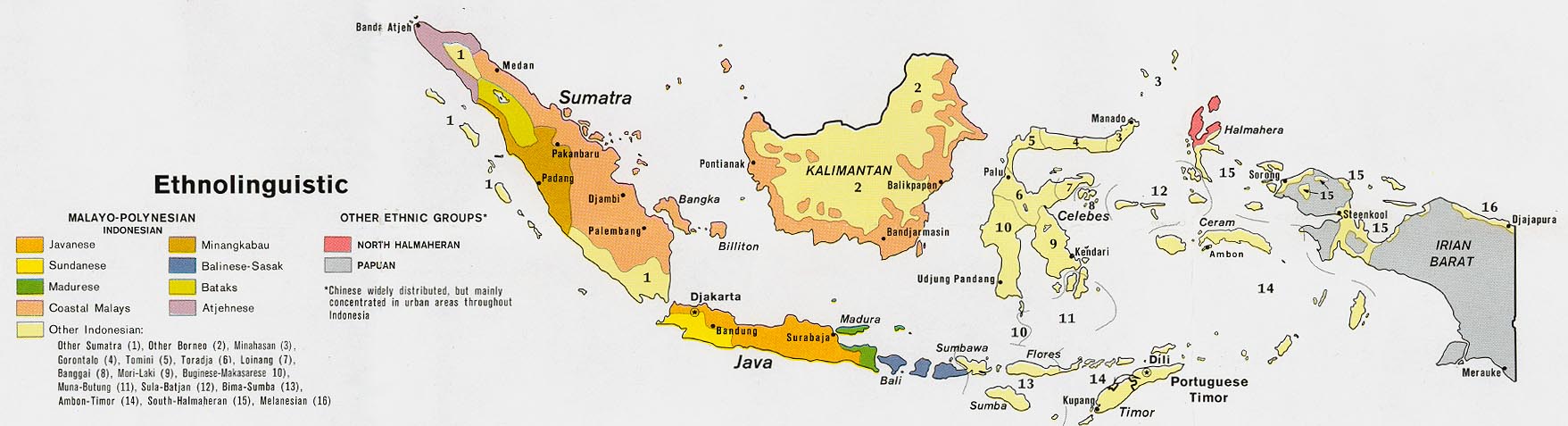
The Kawe people, primarily located in Eastern Indonesia, possess a rich history shaped by their geography, cultural practices, and interactions with other groups. They are believed to have migrated from various regions, including early settlements in Sumatra and Java. These migrations were driven by factors such as the pursuit of agricultural opportunities, escaping conflicts, and trade with neighboring communities. This journey has forged a diverse cultural identity, deeply influenced by both indigenous beliefs and external interactions, reflected in their traditional ceremonies, rituals, crafts, and clan-based social structures.
The arrival of European colonizers, particularly the Dutch, disrupted traditional governance and trade, leading to resistance movements among the Kawe. Colonial rule introduced cash crops, transforming local economies and social structures, which compelled the Kawe people to adapt while striving to preserve their cultural heritage. Their history highlights resilience through numerous transformations, emphasizing the importance of maintaining their cultural identity in Indonesia's dynamic landscape.
The Kawe people primarily speak the Kawe language, which belongs to the Austronesian language family and is predominantly spoken in the northern coastal areas of Sumatra, particularly in the North Sumatra province.
Kawe society is typically organized around extended families and community networks, with families living in close proximity to foster strong bonds and shared responsibilities, particularly in child-rearing and daily tasks. Community governance decisions are often made collectively, respecting the authority of elders and prioritizing communal consensus.
Agriculture plays a significant role in the daily lives of the Kawe people. Most engage in subsistence farming, cultivating crops such as rice, cassava, and various fruits. They practice shifting cultivation. Additionally, traditional crafts like weaving and pottery not only contribute to their cultural identity but also serve as economic activities.
Cultural customs are integral to the Kawe people's identity, with traditional festivals and oral traditions marking significant life events such as births, marriages, and harvests. These celebrations often involve music, dance, and traditional attire, creating vibrant expressions of their heritage. Storytelling and the passing down of legends play vital roles in preserving history and instilling values in younger generations, ensuring that their rich cultural legacy continues to thrive.
Religion profoundly influences many aspects of Kawe life. Many Kawe people adhere to traditional animistic beliefs that honor the spirits of nature and ancestors, using rituals and offerings to seek guidance and blessings. Recently, some have adopted Christianity, resulting in a blend of traditional practices and Christian beliefs, creating a form of syncretism.
They traditionally practice animism, believing that spirits inhabit natural elements like trees and rivers, influencing daily life and deserving of respect and offerings. Sacred sites, such as mountains and forests, are central to the spiritual practices of the Kawe people, serving as locations for rituals and ceremonies.
Ancestors are revered in Kawe spirituality, and their wisdom is believed to guide the living. Important life events—such as births, marriages, and deaths—are marked by ceremonies honoring ancestors, often involving communal gatherings and offerings.
The needs of the Kawe people are influenced by various factors, including cultural preservation, socio-economic development, and access to basic services. To enhance their socio-economic well-being, there is a demand for improved educational facilities and curricula that respect local culture while promoting academic achievement. Additionally, better employment opportunities through skill development programs can encourage sustainable livelihoods, particularly in agriculture, fishing, and tourism.
Healthcare services must cater to both general health issues and culturally specific needs, while essential infrastructure improvements—such as better roads, clean water supply, and sanitation facilities—are crucial for enhancing living conditions. The Kawe people also face significant challenges, such as limited access to markets and modern job opportunities, making them economically vulnerable.
Pray for the Holy Spirit to move in Indonesia among the Kawe people to draw them to Jesus Christ.
Pray for the Kawe people to put all their faith in Jesus Christ as their Savior.
Pray for the Lord to do miracles of healing to demonstrate his absolute power and goodness.
Pray that more workers will be moved by the Holy Spirit to minister to the Kawe people and share the love of Jesus Christ with them.
Pray for the improvements in the lives of the Kawe people in financial stability, healthcare, and education.
Scripture Prayers for the Kawe in Indonesia.
https://peoplegroups.org/people_groups/PG022947/
| Profile Source: Joshua Project |