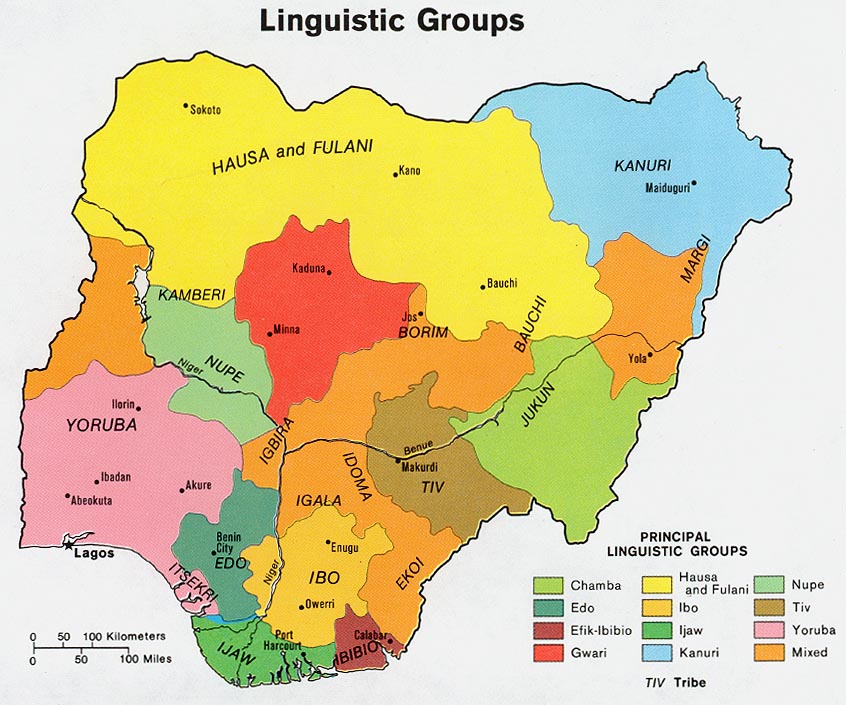
The Irigwe (also known as Aregwe or Miango) are a significant ethnic group primarily inhabiting the Bassa Local Government Area of Plateau State, Nigeria, and extending into parts of Kaduna State. Known for their distinct cultural identity and fiercely independent spirit, the Irigwe have long occupied the fertile southwestern edge of the Jos Plateau. Historically, they were recognized as a resilient people who maintained their traditional social structures despite the expansionist pressures of neighboring sultanates. They are renowned for their traditional "warrior-farmer" ethos and a complex social system that once gained international anthropological fame for its unique marriage customs.
What Are Their Lives Like- The Irigwe are celebrated as some of the most industrious and skilled farmers in the Middle Belt. They take advantage of the Jos Plateau's unique climate to grow a diverse array of crops, including Irish potatoes, maize, yams, and various vegetables that are traded across Nigeria. Beyond agriculture, the Irigwe are famous for their vibrant cultural expressions, particularly their traditional dances and music, which often feature acrobatic displays and intricate costumes. Their social structure was historically based on a system of "small" and "big" houses (clans), and they maintain a deep connection to their ancestral lands, which they view as a sacred trust.
The primary religious identity of the Irigwe is ethnic religion. A shift towards Christianity occurred through decades of missionary engagement and a strong indigenous movement toward the faith. However, traditional worldviews remain a powerful undercurrent. Historically, the Irigwe practiced a complex ethnic religion centered on the sun (Nda) and the moon, and some traditional rituals related to the agricultural cycle and ancestral protection still persist within the community. Islam is also present. While the New Testament is available in the Irigwe language, work continues providing the full counsel of scripture in their mother tongue.
Spiritually, the Irigwe need deep, trauma-informed discipleship. The community has faced significant challenges in recent years due to regional insecurity and land conflicts, which have tested the resilience of the church. There is a great need for peace-building initiatives and resources that address the intersection of faith and ethnic identity. Socially, the Irigwe require improved security to protect their farming livelihoods, as well as enhanced infrastructure. Despite being major agricultural producers, many Irigwe villages lack consistent access to modern medical facilities, clean water, and secondary education, which limits the opportunities for their youth.
Pray for the Irigwe people to find deep healing and hope in Christ amidst the challenges of regional insecurity and displacement.
Pray for the completion of the full Bible in the Irigwe language, that the Word of God may be fully accessible to every generation.
Pray for local pastors to be equipped with wisdom and the spirit of reconciliation as they lead their congregations through difficult times.
Pray for the protection of Irigwe farmers, that they would be able to plant and harvest their crops in safety and peace.
Pray for the youth, that they would be grounded in their faith and provided with the educational opportunities needed to lead their community forward.
Sangree, W. H. Age, Prayer and Politics in Tiriki, Kenya / Irigwe Marriage Customs.
Wycliffe Bible Translators. Irigwe (Irigwe) Language Status and Project Updates.
Blench, R. The Languages of the Jos Plateau: An Ethno-Linguistic Survey.
Plateau State Ministry of Information. Cultural Heritage of the Miango (Irigwe) People.
Scripture Prayers for the Irigwe, Aregwe in Nigeria.
| Profile Source: Joshua Project |