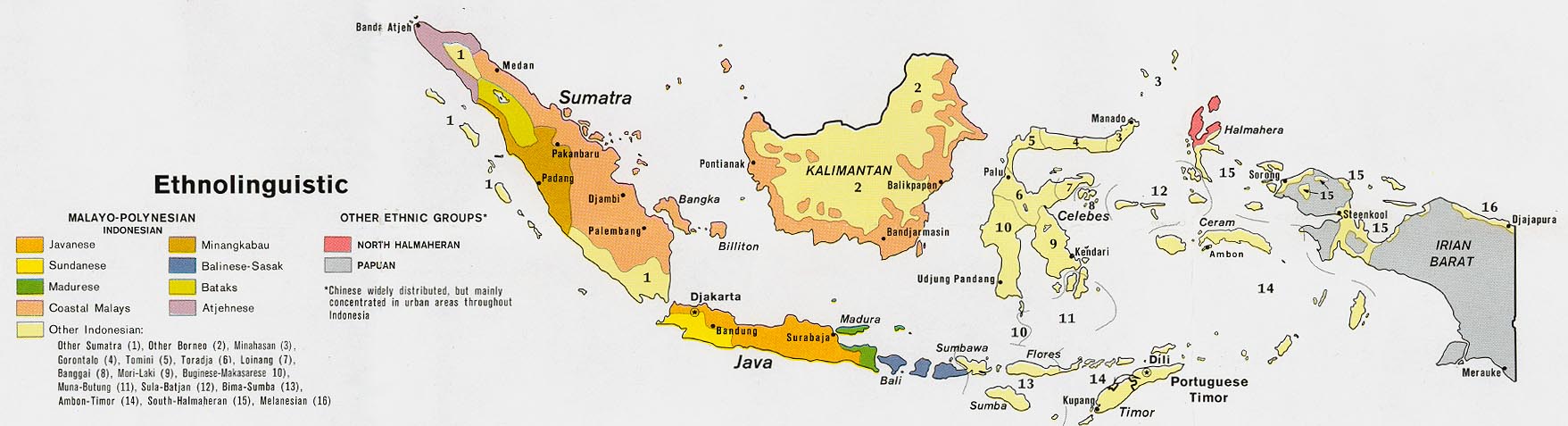

The Irahutu are a small ethnic community living in Indonesia, primarily on Seram Island in the Maluku region. Their identity is closely tied to ancestral villages, kinship lines, and customary law (adat). Historically, the Irahutu have lived in relative isolation, shaped by the rugged terrain of Seram and by long-standing patterns of subsistence farming and forest use. Outside influences—colonial administration, migration, and modern Indonesian governance—have reached the community gradually, leaving many traditional structures intact while introducing new social and economic pressures, such as limited access to education, health and social services gaps and environmental vulnerability.
Daily life among the Irahutu centers on village rhythms and cooperation. Most households depend on subsistence agriculture, cultivating crops such as cassava, sago, bananas, and vegetables. Hunting, fishing, and gathering forest products supplement food and income. Some men seek seasonal or temporary work outside the village when opportunities arise.
Families are typically extended, with strong respect for elders and communal decision-making. Responsibilities are shared across generations, and kinship obligations shape social life.
Community celebrations often follow agricultural cycles, rites of passage, and traditional ceremonies. Music, dance, and shared meals reinforce social bonds.
Their food includes sago-based dishes, root crops, fish and fish. They have simple but communal meals, which emphasize sharing and hospitality.
While exposure to Christianity has occurred through neighboring communities and broader Indonesian society, traditional spiritual practices continue to shape the worldview of most Irahutu people. Over half identify as Christian, but faith in Christ is shared with faith in the spirit world. They hold onto traditional beliefs passed down through generations that involve reverence for ancestral spirits, respect for sacred places, and fear of spiritual forces believed to affect health, harvests, and harmony in the village. Ritual specialists may be consulted for healing or protection.
The Irahutu face significant physical needs, including improved access to healthcare, clean water, education, and stable livelihoods that do not lead them to abandon their communities. Geographic isolation and limited infrastructure increase vulnerability to preventable illness and economic hardship.
They also have profound spiritual needs. Many have little opportunity to hear the gospel in a clear and culturally understandable way. There is a need for scripture and biblical teaching in forms that respect their language, culture, and communal way of life, as well as for long-term discipleship and local leadership development.
Pray for improved health, education, and sustainable livelihoods for Irahutu families, so that daily physical needs would be met.
Pray for open hearts among the Irahutu to encounter the love of Jesus Christ in ways that speak clearly in their cultural context.
Pray for the emergence of local believers who can share God´s love and lead their community spiritually from within.
Pray for the Holy Spirit to thrust out Irahutu Christians to reach communities that haven't put their faith in the blood of Christ.
Scripture Prayers for the Irahutu in Indonesia.
https://www.ethnologue.com/country/ID
https://www.worldbank.org/ext/en/country/indonesia
https://reliefweb.int/country/idn
| Profile Source: Joshua Project |