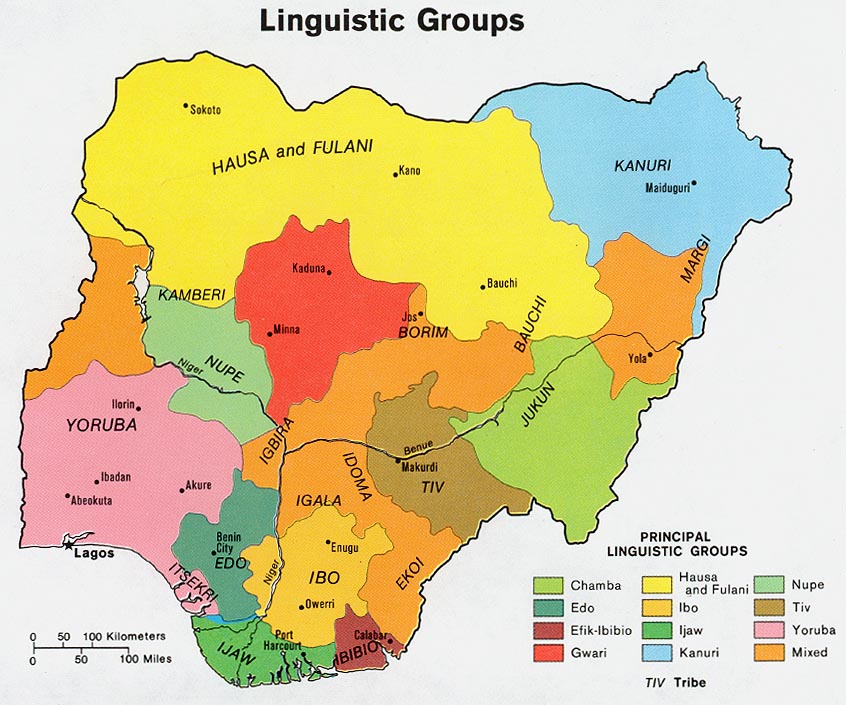
The Ilue are a small people group living in the Oron Local Government Area of Akwa Ibom State, in the coastal southeastern corner of Nigeria, with a possible presence also in parts of neighboring Cross River State. They belong to the broader Oron Nation — known also as Akpakip Oro — an ancient and historically significant people who have inhabited the riverine areas of the Niger Delta and the Lower Cross River estuary for millennia. Archaeological evidence suggests continuous habitation by this people cluster dating back as far as 2370 BC, making the Oron peoples among the oldest documented communities in West Africa. The Ilue speak the Ilue language, which carries the ISO 639-3 code "ilv" and is classified as one of nine closely related varieties that fall within the Oro language cluster of the Cross River branch of the Benue-Congo language family. Linguists studying Akwa Ibom State's languages have identified Ilue alongside other varieties such as Ebughu, Okobo, Afai, Uda, and Unyenne as constituent dialects of the broader Oro tongue. The Oron Nation, of which the Ilue are a part, has long been recognized as an ancient warrior people with a distinctive cultural identity, and they maintain a formal socio-cultural organization — the Oron Union, founded in 1925 — that has served as a vehicle for political advocacy and cultural preservation across the generations. Christian mission activity reached the Oron region during the colonial era and took deep root, shaping the faith landscape that characterizes the Ilue community today.
Daily life for the Ilue is defined by their proximity to the rivers, creeks, and coastal waters of Akwa Ibom. Fishing is a foundational occupation, both for household sustenance and for trade, reflecting a way of life embedded in the identity of all Oron-related peoples. Farming also plays an important role, with households cultivating staple crops such as yams, cassava, plantain, and cocoyams, as well as vegetables and tropical fruits. Palm oil processing contributes to both the local diet and the economy, as the region falls within Nigeria's tropical rainforest and oil-palm belt. Trading is a traditional strength of Oron communities, and market life remains a central social institution, with women's roles in market activity carrying cultural and even ritual significance within the age-grade system. The Ilue, like other Oron peoples, organize community life around a system of age-grades, each carrying distinct responsibilities for communal work, ceremonies, and governance. Family naming follows a distinctive local pattern in which a child's first name is their personal name, their middle name is the father's first name, and their surname is the family name — a system that preserves lineage identity across generations. Traditional dress for men on ceremonial occasions includes a colorful wrap fabric called the Iyara, typically red, worn alongside a tailored traditional shirt, while women wear distinctive wrappers and jewelry suited to various social events. Cuisine in the region reflects the rich bounty of the sea and farmland, featuring dishes such as Afang soup, Edikang Ikong, Atama soup, and Ekpang Nkukwo. The region's proximity to Nigeria's oil-producing zones has introduced the mixed blessings of resource wealth — some economic opportunity, but also ongoing environmental stress, oil spills, and inadequate infrastructure that leaves many communities underserved despite living atop enormous natural wealth.
Christianity is the predominant faith among the Ilue, with most of the community identifying as Christian adherents. Churches — particularly from mainline Protestant traditions, as well as newer evangelical and Pentecostal congregations — are a central feature of Ilue community life, and Christian language and practice permeate daily social interaction. The Efik language has historically served a liturgical function in churches across Akwa Ibom State, including in the Oron region, since the only complete Bible translation in the Lower Cross River basin was in Efik. A small portion of the community continues to hold to traditional ethnic religious beliefs alongside their Christian identity, reflecting a syncretism that is common across much of southern Nigeria. These traditional worldviews include belief in ancestral spirits, the spiritual significance of rivers and natural forces, and consultation with diviners in times of illness or uncertainty. The challenge facing the Ilue church is to grow into a faith that is grounded in the full counsel of Scripture and that equips believers to distinguish between the living Christ and the spiritual forces that compete for allegiance in everyday life. An important measure of spiritual maturity will be the degree to which the Ilue church moves beyond nominal adherence into genuine, transforming discipleship.
Access to clean water, quality healthcare, and dependable infrastructure remains a pressing concern in riverine communities like those of the Ilue, where geography can limit the reach of public services. Environmental harm from oil extraction in the Niger Delta, including pipeline leaks and the contamination of fishing grounds, threatens both physical health and traditional livelihoods that the Ilue have depended on for generations. Educational opportunities — particularly at the secondary and post-secondary levels — are vital for equipping younger Ilue to participate in the broader Nigerian economy with dignity and economic agency. The Ilue language itself faces the pressure common to many minority languages in Nigeria, where English and Nigerian Pidgin are displacing indigenous tongues in younger generations; preserving the Ilue language would strengthen both cultural identity and the potential for Scripture and discipleship materials to reach people in their heart language.
Spiritually, while the majority of the Ilue identify as Christian, there is a significant need for the kind of thorough biblical formation that produces not merely church attenders but devoted followers of Jesus Christ who are equipped to recognize and resist syncretistic spiritual compromise. Strong, Scripture-centered churches led by faithful pastors would serve as pillars of both spiritual health and community well-being.
Since the Ilue already have a gospel witness among them, the greater calling now is for believers to move from simply receiving the gospel to actively extending it — becoming a sending community that contributes workers to the many unreached and under-reached peoples of Nigeria and the wider world.
Ask God to raise up pastors and teachers among the Ilue who are bold, biblically grounded, and deeply committed to the formation of disciples rather than merely the maintenance of church membership.
Petition God for the physical needs of the Ilue community — clean water, access to healthcare, relief from environmental degradation, and just treatment from the government and oil industry stakeholders whose activities have affected their lands and waters.
Pray that linguists and Bible translation workers would give attention to the Ilue language, so that the word of God might one day be accessible to all speakers in their mother tongue.
Ask the Lord to stir the hearts of Ilue believers with a vision for the unreached peoples of their own nation and continent, that they would see themselves not only as recipients of the gospel but as carriers of it.
May the Ilue church be moved by the Holy Spirit to send and support workers across cultural and linguistic boundaries, joining the great global company of those who labor so that every tribe, tongue, and people might worship the Lamb of God.
Scripture Prayers for the Ilue in Nigeria.
https://en.wikipedia.org/wiki/Oron_people
https://www.101lasttribes.com/tribes/oron.html
https://en.wikipedia.org/wiki/Akwa_Ibom_State
https://en.wikipedia.org/wiki/Ibibio_people
https://www.researchgate.net/publication/365993728_The_Languages_of_Akwa_Ibom_State
https://www.britannica.com/topic/Isoko
| Profile Source: Joshua Project |