


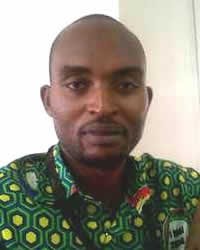

The Hunganna people—also known as Hungana, Hungaan, Bahungana, or Huana—live in the southwestern region of the Democratic Republic of Congo, especially in the Kwango and Kwilu areas, including Bulungu and Kenge territories. They are a Bantu people whose history reflects regional migrations linked either to the old Lunda kingdom or to earlier movements from the Kongo realm.
Their primary language is Hungana, a Bantu language still spoken in their communities. While endangered, the language remains an important marker of identity, and revitalization efforts exist through community usage and cultural preservation.
The Hunganna are traditionally agricultural, cultivating manioc, groundnuts, maize, bananas, and various local vegetables. Many families also raise goats, pigs, and chickens, though traditional taboos affect certain practices—such as restrictions involving chickens for women. Hunting and fishing supplement their food sources. Men hunt using dogs and traditional weapons, while fishing is carried out by both men and women using different methods.
Family life is shaped by matrilineal inheritance patterns. Authority within households and villages often flows through maternal relatives, and the mother's brother traditionally holds an important role in family leadership and child guardianship.
Villages are typically organized as clan-based communities with rectangular thatched houses. Social and political leadership comes from village chiefs supported by councils of respected men. Ceremonial life includes music, storytelling, and communal gatherings tied to agricultural seasons, weddings, and clan events. The Hunganna are also known for skilled ivory and wood carving, producing distinctive pendants and figurines used for symbolic or ritual purposes.
Christianity is the primary faith among the Hunganna people. Many are connected with established churches in their region, particularly within Catholic and other Christian traditions. While some older customs—such as respect for ancestors—remain culturally significant, Christian belief guides most spiritual practice.
The Hunganna live in rural areas where access to healthcare, clean water, and consistent infrastructure can be limited. Improved agricultural tools, stable markets, and transportation would strengthen local livelihoods. Preservation of their language and artisanal traditions is important as modern pressures influence younger generations.
Spiritually, continued biblical teaching, leadership development, and encouragement in Scripture engagement are essential. As their churches grow, they can become a strong missionary force to neighboring ethnic groups in the region.
Pray for Hunganna believers to grow in spiritual maturity and deep commitment to Christ.
Pray for strong local church leaders who teach Scripture faithfully and guide their communities wisely.
Pray for provision in daily needs, including reliable access to food, clean water, and healthcare.
Pray that Hunganna Christians will boldly take part in sharing the gospel with less-reached peoples in Africa.
Scripture Prayers for the Hunganna in Congo, Democratic Republic of.
https://www.101lasttribes.com/tribes/hunganna.html
https://fr.wikipedia.org/wiki/Hungana_(peuple)
https://en.wikipedia.org/wiki/Hungana_language
https://art-africain-traditionnel.com/en/240-hungaan
| Profile Source: Joshua Project |



