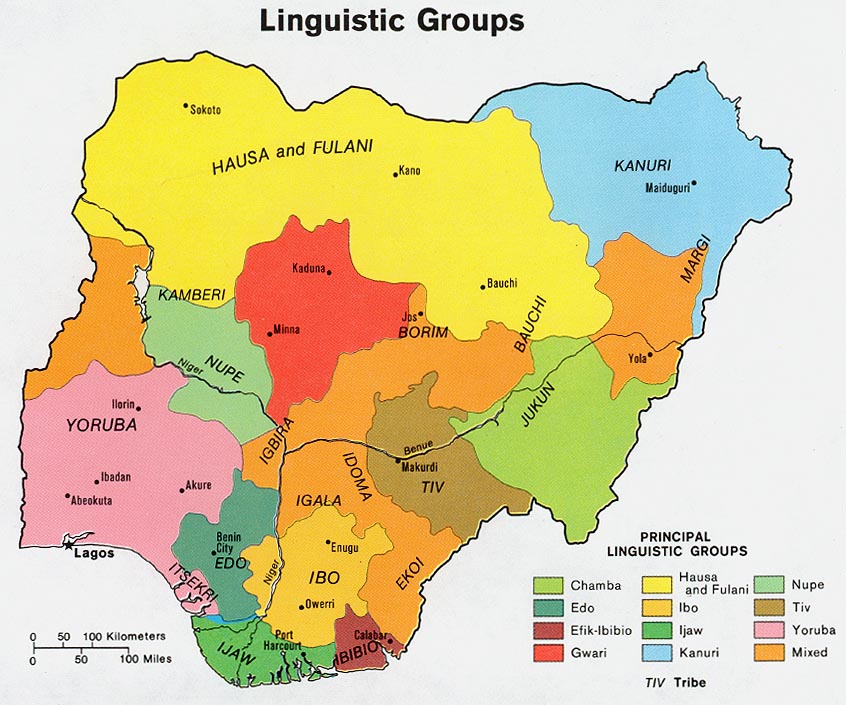
The Bumaji people live in north?central Nigeria, in an area of mixed savanna and farmlands shaped by seasonal rains and small river systems. Their communities are typically rural, with villages organized around family groups and longstanding ties to the land. The Bumaji language is an important marker of identity, carrying local stories, customary law, and shared memory, even as many Bumaji also use regional or national languages in wider interaction.
Historically, Bumaji society developed through village?based settlement and close kinship networks. Contact with neighboring peoples through trade, marriage, and shared grazing or farming land has been common for generations. Over time, religious influences from outside the community also became part of Bumaji life, adding new layers to older social and spiritual patterns.
Daily life among the Bumaji centers on agriculture and family cooperation. Most households depend on farming, growing crops suited to local conditions and keeping small numbers of livestock. Work is often shared among relatives, particularly during planting and harvest seasons, reinforcing strong interdependence within extended families.
Homes are commonly grouped by family line, allowing frequent interaction and shared responsibility. Children learn practical skills early by participating in household and farm work, while elders are respected for their experience and guidance in family and community matters. Meals are usually prepared from locally grown foods and eaten together, strengthening bonds across generations.
Community gatherings mark important milestones such as weddings, funerals, and religious observances. These occasions provide space for instruction, reconciliation, and celebration, helping maintain cohesion and identity within Bumaji society.
Christianity is the primary religious identity among the Bumaji and has shaped much of community life. Many Bumaji identify as followers of Jesus Christ and participate in church activities where churches are present. Christian teaching has influenced moral values, family relationships, and patterns of worship, and the message of the gospel is widely known within the community.
Alongside this Christian foundation, traditional spiritual beliefs persist for some, especially in how people interpret illness, misfortune, or protection from harm. These beliefs involve placing trust in spiritual forces and systems rather than being merely cultural customs. In some lives, Christian profession and traditional spiritual trust exist side by side, pointing to the ongoing need for clear biblical teaching that centers faith fully on Jesus Christ alone as Savior and Lord.
The Bumaji face practical challenges related to economic stability, access to education, and healthcare, especially in rural areas where resources are limited. Environmental uncertainty can place additional strain on families who depend heavily on farming and livestock.
Spiritually, Bumaji Christians need encouragement and growth in understanding Scripture so their faith is rooted deeply in the gospel. Where fear of spiritual forces or divided religious allegiance exists, patient teaching is needed to clarify the sufficiency and authority of Christ. With Christians present among them, there is opportunity for the Bumaji church to mature in faith and to carry the message of Christ to neighboring peoples who have little or no gospel witness.
Pray for unity, provision, and resilience among Bumaji families and villages.
Ask God to deepen biblical understanding and spiritual maturity among Bumaji believers.
Pray for wisdom and faithfulness among church leaders serving Bumaji communities.
Ask the Lord to help believers place full confidence in Christ rather than fear or divided trust.
Pray that Bumaji Christians will share the hope of Christ with nearby peoples who lack a clear gospel witness.
Scripture Prayers for the Bumaji in Nigeria.
https://www.ethnologue.com
https://www.britannica.com/place/Nigeria
| Profile Source: Joshua Project |