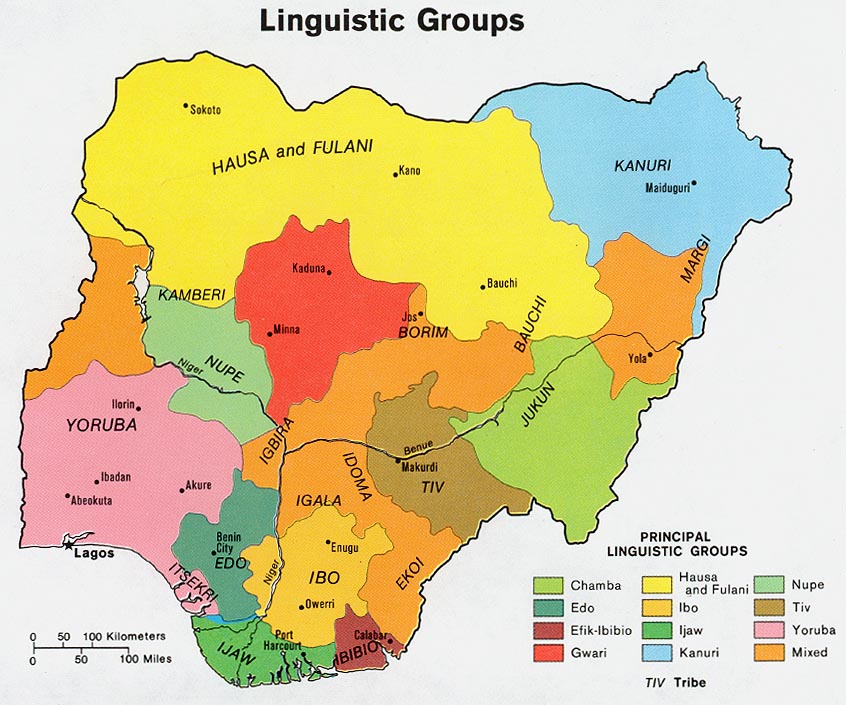
The Batu people are an ethnic group found in northeastern Nigeria, historically connected to the broader cultural and linguistic world of the Benue–Chadic peoples. Their identity has been shaped by generations of settlement near fertile land and seasonal waterways, which supported agriculture and trade with neighboring groups. Over time, the Batu developed social structures centered on extended families and village leadership, with traditions passed down orally through elders. Colonial and post-colonial political changes brought increased interaction with outside authorities, markets, and religious movements, influencing but not erasing Batu cultural identity.
Most Batu families depend on small-scale agriculture for their livelihood, cultivating crops such as grains and vegetables suited to the local climate. Some households supplement farming with fishing, animal husbandry, or petty trade in nearby markets. Family life is strongly communal, with extended families often living close together and sharing responsibilities related to work, childcare, and decision-making. Marriage is an important social institution, commonly involving the wider family and community. Celebrations often revolve around agricultural seasons, life-cycle events such as weddings, and communal feasts, which reinforce social bonds and cultural continuity.
The Batu are primarily influenced by traditional ethnic religions that emphasize the spiritual significance of ancestors, spirits, and natural forces. Religious life often includes rituals intended to maintain harmony between the physical and spiritual worlds and to seek protection, healing, or prosperity. While there has been some exposure to Christianity and Islam through regional contact and migration, the gospel has not yet deeply penetrated Batu society, and biblical Christianity is not widespread. Spiritual authority is often associated with elders or ritual specialists rather than with Scripture or a Christian church community.
The Batu people face ongoing physical needs related to economic vulnerability, limited access to healthcare, and educational opportunities, especially in rural areas. Improved agricultural support, clean water access, and basic medical services would strengthen family and community well-being.
Spiritually, the Batu need clear and culturally understandable access to the gospel of Jesus Christ. They need faithful Christian workers who are willing to live among them, learn their language and culture, and share Christ through both word and compassionate action. As individuals come to faith, there is also a need for discipleship so that local believers can grow into mature followers of Christ and participate in reaching others.
Pray that God would open doors for the gospel to be shared among the Batu in ways that are understandable and respectful of their culture.
Pray for laborers who are called, prepared, and sustained to serve among the Batu with humility and perseverance.
Ask the Lord to meet pressing physical needs, including health, food security, and education, as a testimony of his love.
Pray that emerging Batu believers would be rooted in Scripture and empowered by the Holy Spirit to disciple their families and communities.
Scripture Prayers for the Batu in Nigeria.
https://www.ethnologue.com
https://www.peoplegroups.org
| Profile Source: Joshua Project |