


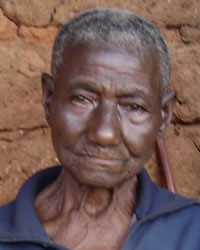

The Bambalang are an ethnic community living in the Northwest Region of Cameroon, particularly in the Ndop Plain of the Ngoketunjia Division. They are part of the wider cultural network of Grassfields peoples in western Cameroon, an area known for its many closely related languages and traditional chiefdoms. The Bambalang are also connected to the Bamileke cultural cluster, a large family of related peoples across the highlands.
Their language, commonly known as Bambalang or Chrambo, belongs to the Grassfields branch of the Niger-Congo language family. It is closely related to several other languages spoken by neighboring communities in the Cameroon highlands.
Oral traditions describe migrations of related peoples through the region before the formation of the present villages. Over time the Bambalang established settled communities in the fertile plains and developed a distinct identity rooted in language, kinship, and shared customs.
Life in Bambalang communities is closely tied to agriculture and the natural environment of the Ndop Plain. Families commonly work together in farming activities that support the household and local markets. Fishing in nearby rivers and wetlands is also an important source of food and income for many families.
Village life is strongly shaped by extended family networks and traditional leadership. Elders and community leaders help guide decision-making and preserve local customs. Ceremonies, storytelling, and traditional gatherings help maintain cultural identity and strengthen community relationships.
Music and traditional communication methods are also part of community life. Instruments such as drums, bells, and wooden gongs may be used to announce gatherings or important events, reflecting long-standing cultural practices that continue to hold meaning within the community.
Language remains an important part of daily life. Bambalang, or Chrambo, is spoken within homes and villages and connects the people to the broader network of Grassfields languages across western Cameroon.
Christianity is the primary religion among the Bambalang people, and churches are present in many communities. Worship services, prayer gatherings, and church activities provide opportunities for fellowship, teaching, and spiritual encouragement.
The New Testament has been translated into the Bambalang language, allowing people to hear and read Scripture in their own heart language. Access to Scripture in a familiar language helps support personal devotion and the teaching ministry of local churches.
Alongside Christian faith, cultural values such as respect for elders, loyalty to family, and community responsibility remain deeply important. These values influence daily life and relationships within Bambalang society. However, some put their faith in ancestral spirits rather than the Sovereign God of the Bible.
Although Christianity is widely present among the Bambalang, continued discipleship and biblical teaching remain important needs. Churches benefit from leaders who are equipped to teach Scripture clearly and guide believers toward spiritual maturity.
Resources that support scripture engagement in the Bambalang language can strengthen faith within families and congregations. Training opportunities for pastors and Christian leaders can also help nurture strong and healthy churches.
As believers grow in their understanding of the gospel, there is opportunity for the Bambalang church to share the message of Christ with neighboring communities throughout the region.
Pray that Bambalang believers will grow in a deep understanding of God's word and a faithful relationship with Jesus Christ.
Pray for pastors and church leaders who will shepherd their communities with wisdom, humility, and biblical faithfulness.
Pray that the Bambalang New Testament will be widely used and clearly understood by both new and mature believers.
Pray that churches among the Bambalang will develop a growing vision to share the good news of Christ with surrounding peoples.
Scripture Prayers for the Bambalang in Cameroon.
https://peoplegroups.org/people_groups/pg012502/
https://en.wikipedia.org/wiki/Bambalang_language
https://www.omniglot.com/writing/bambalang.htm
https://fr.wikipedia.org/wiki/Bambalang
https://vonatcm.wordpress.com/2011/07/16/traditional-means-of-communication-in-bambalang
| Profile Source: Joshua Project |



