Joy in Laos
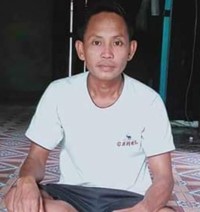
Photo Source:
Anonymous
|
Send Joshua Project a map of this people group.
|
| People Name: | Joy |
| Country: | Laos |
| 10/40 Window: | Yes |
| Population: | 4,400 |
| World Population: | 4,400 |
| Primary Language: | Phu Thai |
| Primary Religion: | Buddhism |
| Christian Adherents: | 0.40 % |
| Evangelicals: | 0.40 % |
| Scripture: | Translation Started |
| Ministry Resources: | No |
| Jesus Film: | No |
| Audio Recordings: | Yes |
| People Cluster: | Tai |
| Affinity Bloc: | Southeast Asian Peoples |
| Progress Level: |

|
Introduction / History
The Joy (also spelled Yoy) live in Laos as a small Tai speaking people. The Joy (also known as Dioi, Tai Yoy, Yooy, or Yuai) are closely related to the dominant Lao people. Their name is pronounced similarly to "Joy" in English. They speak Phu Thai.
Historical details are limited, but like other Tai groups, their ancestors likely migrated southward from southern China centuries ago, influenced by pressures from expanding Chinese populations. Today, they are indigenous to central Laos. The Joy likely trace their heritage to waves of Tai peoples moving southward and westward over many centuries, similar to other Tai groups in Laos. Like many smaller Tai subgroups, they have maintained a unique identity even as they live near larger Lao and Tai communities. To outsiders, the Joy show no visible cultural differences from the mainstream Lao—they are fully bilingual in Lao (the national language) and Phu Tai, with Phu Tai serving as their distinct home language.
What Are Their Lives Like?
The Joy generally live in rural villages across parts of Laos where access to infrastructure remains modest. They lead lifestyles very similar to surrounding Lao communities. They typically engage in subsistence farming, growing rice and seasonal crops to feed their families and sell small surpluses in local markets. Many Joy households also raise livestock — such as water buffalo, pigs, and chickens — which support farming work and community rituals.
Their daily routines revolve around family, agriculture, and village cooperation. Children help with planting and harvesting, while adults manage fieldwork, household chores, and community tasks. Life is shaped by the rhythms of the seasons and the collective efforts of extended family networks. Their customs, housing, and social structures blend seamlessly with lowland Lao traditions, including family-based village organization and participation in national Lao cultural practices.
What Are Their Beliefs?
The Joy profess Theravada Buddhism, but their practices heavily incorporate ethnic religions, animism, and spirit appeasement. Many depend on rituals to placate spirits rather than core Buddhist teachings. Observers note that Buddhism has declined in influence in Laos overall, with many adherents knowing little about its foundational precepts or the life of the Buddha. This syncretism—blending Buddhism with pre-Buddhist animist beliefs—is common among lowland Tai groups in Laos. Their worldview emphasizes harmony with unseen forces, social order, and respect for elders and traditions. Major life milestones — births, marriages, harvests, and deaths — integrate Buddhist rituals and local customs. Spirit-appeasement practices continue in times of illness, misfortune, or uncertainty, reflecting a belief that both Buddhist merit and spirit harmony affect daily life. Christianity is minimal.
What Are Their Needs?
The Joy need clear gospel communication in heart languages and culturally relevant forms. Scripture engagement tools, including Bible portions, audio Scriptures, and JESUS Film resources would strengthen their newborn faith. They need ministry workers who can build long-term relationships, learn Joy language and culture, and share Christ with respect and sensitivity. Holistic support in education, health, and community development that honors their cultural identity will show them faith in action. They will need encouragement and training for emerging believers so they can grow and multiply disciples within their own social networks.
Prayer Points
Pray that the Joy people would hear the gospel clearly and respond to Christ with understanding and faith.
Pray that spiritual eyes would open to see Jesus as Savior, replacing fear of unseen spirits with confidence in God's love, goodness, and power.
Pray for workers who will live among the Joy, learn their ways, and faithfully share Christ.
Pray for Scripture and disciple-making resources to be available and embraced in Joy communities.
Pray for education and health initiatives that strengthen families and open doors for gospel conversations.
Pray for peace and unity in Joy villages as individuals explore faith in Jesus.
Pray for a movement to Christ that spreads from heart to heart, family to family, and village to village.
Pray for Joy believers equipped to disciple others and lead their communities toward Jesus.