Nahen in Myanmar (Burma)
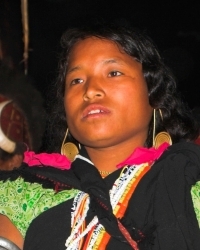
Photo Source:
Asia Harvest-Operation Myanmar
|
Send Joshua Project a map of this people group.
|
| People Name: | Nahen |
| Country: | Myanmar (Burma) |
| 10/40 Window: | Yes |
| Population: | 200 |
| World Population: | 200 |
| Primary Language: | Language unknown |
| Primary Religion: | Christianity |
| Christian Adherents: | 90.00 % |
| Evangelicals: | 45.00 % |
| Scripture: | Unspecified |
| Ministry Resources: | No |
| Jesus Film: | No |
| Audio Recordings: | No |
| People Cluster: | South Asia Tribal - Naga |
| Affinity Bloc: | South Asian Peoples |
| Progress Level: |

|
Introduction / History
The Nahen tribe is one of the smallest people groups in Myanmar. They live in the Pangsau area of Lahe Township along the border between western Myanmar and northeast India, although there is no indication that they are also found within India. Ten Nahen households are in Naungyan village, while others dwell in the small community of Pangsau itself.
The Nahen, who are also known as Langpan, are part of the broader collection of tribes that adopted the label of "Tangshang" in 2003. Despite their tiny population, the Nahen possess their own group identity and speak a dialect that is only partly intelligible with the speech of other tribes in the area. Until now the Nahen people have been hidden from view by being lumped together with other groups in the ethnographic thicket that exists in this complex part of Asia.
A team of linguists visited the Pangsau area in 2013 and surveyed 65 Nahen people. They concluded that the Nahen dialect is part of a group of Tangshang varieties they called Ole. The group includes Cyamkok, Cyampang, Haqpo, and Lumnu.1 Each of these dialect groups also represents a tribe that has been profiled separately in Operation Myanmar. The Nahen language shares only a 52 percent lexical similarity with Shecyu,2 which is considered a premier dialect for Scripture translation among Tangshang peoples.
What Are Their Lives Like?
The Nahen share many cultural similarities with other groups in the mountains of western Myanmar. Tribes with which they have friendly relations and frequent contact include the Drancyi and Kon, and to a lesser extent, the Gaqha. Linguistically, only men from the Kon and Kotlum tribes seem able to understand the Nahen, possibly because they have more exposure to their dialect through trade. Most Nahen families live in rural villages where agriculture provides the foundation of daily life. Rice, maize, vegetables, and locally grown crops form an important part of their diet, supplemented by livestock and forest products. Community life revolves around family relationships and cooperation among neighbors. Respect for elders and the importance of kinship remain central values. Traditional songs, stories, and handicrafts continue to preserve cultural identity, while younger generations increasingly pursue education and employment opportunities beyond their villages.
What Are Their Beliefs?
Before the light of the gospel dawned on this remote area in the 1970s and 1980s, all tribes, including the Nahen, were animists, living in fear of a complex array of spirits that had to be placated to maintain a spiritual balance in their communities. After abandoning their former animistic ways, almost all Nahen people are Christians today.
A Chin pastor reportedly created a Nahen alphabet in the first decade of this century, as he wanted them to be able to read the Bible in their own language. A primer was printed and taught to Nahen people living in Khamti Township, but as of 2011 it had not yet been taught in Lahe, where the majority of Nahen people live.5 Some Christians think a combined Ole Bible translation could be produced to meet the spiritual needs of the Nahen and other related dialect groups. One scholar expressed his hope: "Before printing books, leaders from the different Ole-related varieties should meet together to build unity among themselves and decide on one variety that they all agree to use for their literature development."6
What Are Their Needs?
The isolated nature of the region creates challenges related to transportation, healthcare, and educational opportunities. Greater access to medical services and quality schools would benefit families and strengthen communities. Economic opportunities that allow people to remain near their villages would help preserve family relationships and cultural identity. Churches would benefit from additional discipleship resources and the training of mature leaders who can teach God's word effectively. Opportunities exist for believers to deepen their understanding of Scripture and to participate in sharing the gospel with neighboring ethnic groups that have less access to Christian witness. Unity among Christians and faithful biblical teaching will help strengthen the church for future generations.
Prayer Points
Pray that God will provide improved healthcare, education, and economic opportunities for Nahen communities.
Pray that pastors and church leaders will be equipped to teach Scripture faithfully and disciple younger believers.
Pray that Nahen Christians will grow in spiritual maturity and demonstrate the love of Christ in their families and villages.
Pray that the church among the Nahen will become part of God's global discipleship force and share the gospel with neighboring peoples who have little access to biblical truth.