Wintu in United States
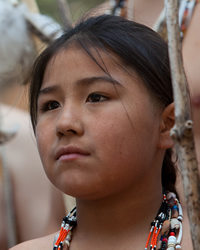
Photo Source:
Michael Marmarou - Flickr
Creative Commons
|
Send Joshua Project a map of this people group.
|
| People Name: | Wintu |
| Country: | United States |
| 10/40 Window: | No |
| Population: | 2,900 |
| World Population: | 2,900 |
| Primary Language: | English |
| Primary Religion: | Christianity |
| Christian Adherents: | 60.00 % |
| Evangelicals: | 7.00 % |
| Scripture: | Complete Bible |
| Ministry Resources: | Yes |
| Jesus Film: | Yes |
| Audio Recordings: | Yes |
| People Cluster: | North American Indigenous |
| Affinity Bloc: | North American Peoples |
| Progress Level: |

|
Introduction / History
The Wintu (also called Wintun in some academic sources) are indigenous peoples of Northern California, part of the larger Wintuan-speaking group. Traditionally they lived along the upper Sacramento River and its tributaries, especially around present-day Redding, Shasta County, and the surrounding valleys and mountains.
The Wintu are closely related—linguistically and culturally—to the Nomlaki and Patwin, but each group has distinct identities. Today, Wintu communities include the Winnemem Wintu Tribe (not federally recognized), the Wintu of Shasta Nation (seeking recognition) and the Nor-Rel-Muk Wintu Nation.
Before European contact, the Wintu lived in semi-sedentary river villages across the Sacramento Valley and up to Mount Shasta, moving seasonally to hunt and gather. Their daily life centered on salmon fishing, acorn harvesting, deer and small-game hunting, basketry, trade networks, and strong kinship systems. Spiritual life was inseparable from the land, with sacred places—especially Mount Shasta—guiding ceremonies and stories. During the Spanish and Mexican periods, they had little direct mission contact but suffered diseases spreading north through trade routes. The Gold Rush brought catastrophic violence as miners invaded Wintu homelands, leading to massacres, forced removals, and the collapse of salmon runs from dams and mining. In the late 19th and 20th centuries, many Wintu were displaced to ranches or labor camps, yet families preserved identity through language, stories, and ceremonies. Because the U.S. failed to establish reservations for most Wintu, land rights and recognition became long-term challenges.
What Are Their Lives Like?
In the 21st century, Wintu communities work to revitalize language, protect sacred places, and restore ecological balance. The Winnemem Wintu, in particular, have gained international visibility for their efforts to bring salmon back to the McCloud River.
Wintu people live across rural northern California and urban centers, often working in education, conservation, environmental restoration, forestry, and cultural tourism. Deep environmental stewardship remains a defining feature, with the Winnemem Wintu leading efforts to restore wild salmon, oppose dam expansions, and protect Mount Shasta.
Life among the Wintu today varies by community, yet cultural revitalization is central, with ceremonies such as coming-of-age rites, salmon restoration rituals, and Mount Shasta healing practices being revived. Traditional arts like basketry and plant knowledge are actively taught, while language revitalization continues despite the near loss of the Wintu language during assimilation. Some Wintu maintain traditional leadership, while others function as nonprofit cultural or advocacy groups due to the lack of federal recognition. This absence of recognition also means many communities do not receive BIA services, guaranteed housing, tribal health programs, or legal land protections.
What Are Their Beliefs?
Their beliefs emphasize the sacredness of the land—especially Mount Shasta—reciprocity with nature and maintaining balance and harmony. Ceremonies such as salmon rituals, puberty rites, healing songs, and seasonal fire practices continue under the guidance of ceremonial chiefs, medicine people, and women leaders. Wintu mythology highlights Coyote, the Salmon People, and the spirits of mountain and water, passing wisdom through oral tradition. While Christianity influenced some Wintu in the 19th and 20th centuries, today individuals may follow traditional spirituality, Christianity, or a blended path, with indigenous ceremonies steadily returning.
What Are Their Needs?
Wintu communities today share several urgent needs despite their diversity. Many continue to seek federal recognition, which would grant legal status, access to housing, education, health services, and protection of sacred sites and ancestral remains. Protecting Mount Shasta, the McCloud River watershed, and other threatened ceremonial places remains a central priority. Salmon restoration is critical, as salmon are sacred and their decline—caused by dams, water diversion, agriculture, and climate change—affects both cultural identity and survival. Many Wintu also lack tribal clinics, federal resources, and stable housing, creating ongoing needs for healthcare and economic support.
Prayer Points
Pray that God's protection guards their lands and guides their future.
Pray that the God of compassion brings healing to Wintu families and communities and comforts those carrying the wounds of historical trauma, displacement, and loss.
Pray that the Lord´s love and justice may give rest upon the Wintu people and his peace fill their communities.
Pray that soon, the Holy Spirit will bring revival to Wintu churches, leading them to a closer walk with Jesus.
Pray for Wintu Christians to become Christ's ambassadors to those who need hope and salvation.