Malay, Ketapang in Indonesia
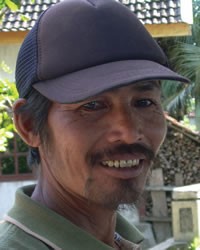
Photo Source:
Copyrighted © 2026
Anonymous All rights reserved. Used with permission |
Send Joshua Project a map of this people group.
|
| People Name: | Malay, Ketapang |
| Country: | Indonesia |
| 10/40 Window: | Yes |
| Population: | 212,000 |
| World Population: | 212,000 |
| Primary Language: | Malay |
| Primary Religion: | Islam |
| Christian Adherents: | 0.00 % |
| Evangelicals: | 0.00 % |
| Scripture: | Complete Bible |
| Ministry Resources: | Yes |
| Jesus Film: | Yes |
| Audio Recordings: | Yes |
| People Cluster: | Malay |
| Affinity Bloc: | Malay Peoples |
| Progress Level: |

|
Introduction / History
The Ketapang Malay are a Malay ethnic group living primarily in Ketapang Regency and neighboring coastal areas of West Kalimantan Province on the island of Borneo, Indonesia. They are concentrated along the coast, river systems, and islands of the Karimata Strait. The Ketapang Malay emerged through centuries of interaction and intermarriage between Malay settlers and indigenous Dayak peoples, creating a distinct cultural identity within the broader Malay world. Today, they are recognized as one of the major ethnic communities of southwestern West Kalimantan. Their primary language is Ketapang Malay, a regional Malay language that serves as an important marker of cultural identity and is widely used in homes, markets, and community life. Indonesian is also commonly spoken.
Historically, the region was connected to the Malay kingdoms of western Borneo and participated in maritime trade networks that linked Kalimantan with Sumatra, Java, and the Malay Peninsula. Rivers and coastal waterways played a crucial role in transportation, commerce, and settlement patterns. The Ketapang Malay continue to maintain a strong connection to their Malay heritage while reflecting cultural influences from neighboring Dayak communities.
What Are Their Lives Like?
Most Ketapang Malay families traditionally earn their living through agriculture, fishing, and trade. Rice cultivation, rubber production, palm oil cultivation, timber-related industries, and small-scale farming provide income for many households. Coastal communities often depend on fishing and maritime activities, while inland families are more likely to engage in agriculture. Agricultural products are commonly transported to larger markets within Kalimantan and Java.
Family and community relationships are highly valued. Extended families frequently live near one another and provide mutual support during times of need. Village life often revolves around family responsibilities, work, religious activities, and community events. Hospitality is an important cultural value, and social gatherings help strengthen relationships among relatives and neighbors. Traditional foods commonly include rice, fish, vegetables, tropical fruits, and dishes influenced by both Malay and Dayak culinary traditions.
Transportation has historically been a challenge in some parts of the region because of difficult road conditions and dependence on rivers and coastal routes. Although infrastructure has improved in some areas, access to markets, services, and economic opportunities remains uneven across the region.
What Are Their Beliefs?
The Ketapang Malay are overwhelmingly Muslim, and Islam forms a central part of their ethnic and cultural identity. For many within the community, being Malay and being Muslim are closely connected. Religious life includes mosque attendance, daily prayers, fasting during Ramadan, observance of Islamic festivals, and participation in the wider Muslim community.
Among some families, traces of older Dayak customs and traditional beliefs continue to influence cultural practices. In certain cases, local traditions and customary ceremonies exist alongside Islamic observance, reflecting the community's mixed historical origins. Nevertheless, Islam remains the dominant religious framework through which most Ketapang Malay understand life and spirituality.
Because religious identity is closely tied to ethnic identity, conversion to another faith may be viewed as leaving the community itself. As a result, many Ketapang Malay have had little opportunity to hear a clear presentation of the gospel or to personally explore the claims of Jesus Christ as presented in Scripture.
What Are Their Needs?
The Ketapang Malay need greater access to the gospel through trusted relationships, Scripture resources, and faithful believers who can communicate biblical truth with wisdom, humility, and cultural understanding. Since religious and ethnic identity are closely connected, meaningful gospel engagement often requires long-term relationship building and genuine care for the community.
Practical needs include improved transportation infrastructure, economic development, educational opportunities, and sustainable livelihoods for families involved in farming and fishing. Increased access to markets and services could improve economic stability for many communities. Tourism development has also been identified as a potential source of future economic growth because of the region's natural beauty and historical sites.
Prayer Points
Pray that the Ketapang Malay would have many opportunities to hear a clear presentation of the gospel and understand the person and saving work of Jesus Christ.
Pray that God would raise up faithful workers who will build genuine relationships among the Ketapang Malay and communicate biblical truth with wisdom, humility, and love.
Pray that the Ketapang Malay would be adopted through the People Group Adoption program so that churches and believers will commit to ongoing prayer, outreach, and future gospel engagement among them.
Pray that believers in West Kalimantan would be strengthened in their faith and equipped to share the gospel with the Ketapang Malay and other neighboring peoples throughout the province.