Afro-Puerto Rican in Puerto Rico
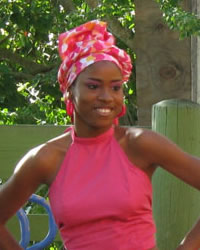
Photo Source:
Spreadofknowledge - Wikimedia
Creative Commons
|
Send Joshua Project a map of this people group.
|

| People Name: | Afro-Puerto Rican |
| Country: | Puerto Rico |
| 10/40 Window: | No |
| Population: | 372,000 |
| World Population: | 372,000 |
| Primary Language: | Spanish |
| Primary Religion: | Christianity |
| Christian Adherents: | 93.00 % |
| Evangelicals: | 30.89 % |
| Scripture: | Complete Bible |
| Ministry Resources: | Yes |
| Jesus Film: | Yes |
| Audio Recordings: | Yes |
| People Cluster: | Afro-American, Hispanic |
| Affinity Bloc: | Latin-Caribbean Americans |
| Progress Level: |

|
Introduction / History
The Afro-Puerto Rican people are Puerto Ricans whose ancestry traces significantly to African peoples brought to the island during the colonial era, beginning in the early 1500s with the trans-Atlantic slave trade. Africans were brought to work on plantations under Spanish rule, and over centuries their cultural influence became integral to Puerto Rican identity. Slavery was officially abolished in Puerto Rico in 1873, but African cultural contributions survived, shaping language, music, cuisine, and traditions that are celebrated today.
Afro-Puerto Ricans have been part of the island's population for over five centuries and have survived enduring prejudice and marginalization within broader Puerto Rican society. Despite these challenges, communities such as Loíza—with some of the largest concentrations of Afro-Puerto Ricans—continue to preserve traditional rhythms like bomba and plena, foods with African roots, and cultural halls of memory that honor ancestral heritage.
What Are Their Lives Like?
Most Afro-Puerto Ricans live in urban and coastal communities across Puerto Rico, such as San Juan, Loíza, Ponce, and other areas with strong historical roots. While Puerto Rico overall has a high Christian population, Afro-Puerto Ricans often navigate economic and social realities shaped by historical marginalization, including disparities in income, education, and access to resources in comparison with other demographic groups.
Many Afro-Puerto Rican families are deeply involved in preserving cultural traditions such as bomba and plena music, dance, and martial practices like cocobalé, a combative tradition connected to African heritage. These cultural expressions are both community celebrations and ways of transmitting identity across generations.
Community festivals such as the Festival Nacional Afrocaribeño in Ponce bring together food, music, dance, and art that celebrate African influences and foster pride. These events help reshape narratives of Afro-Puerto Rican identity in society, highlighting resilience rather than marginalization.
What Are Their Beliefs?
Religion among Afro-Puerto Ricans today is predominantly Christian. Most Afro-Puerto Ricans profess faith in Christ, though the depth of discipleship and biblical engagement varies across communities.
While Christianity is widespread, traditional spiritual practices (such as Yoruba-derived expressions like Santería and spiritism historically practiced in some families) have also influenced folk belief systems and cultural rituals. African spiritual sensibilities—such as reverence for ancestors, expressive rhythm, and communal celebration—continue to inform worldviews even as many individuals participate in Catholic or Protestant worship.
In an evangelical framing, there is both joy in the large Christian presence and recognition of a need for gospel renewal that roots faith not merely in heritage or ritual but in personal transformation through Jesus Christ. This includes reaching those whose faith expressions are nominal or blended with cultural traditions.
What Are Their Needs?
Afro-Puerto Ricans often face structural challenges including limited high-paying employment opportunities, systemic disparities in housing and infrastructure, and concentrated poverty in historically underserved communities like Loíza. Efforts toward vocational training, economic empowerment, and equitable access to education are vital for sustainable development.
This community benefits from initiatives that strengthen community institutions, health care access, quality education, and cultural affirmation. Recognizing and honoring Afro-Puerto Rican contributions to Puerto Rico's national identity helps combat historical stigmatization and fosters greater dignity and social inclusion.
Although a high percentage identify as Christian, many Afro-Puerto Ricans still lack deep biblical discipleship and mature Christ-centered leadership within their own communities. From an evangelical perspective, there is a need to support local pastors and Christian workers who can disciple believers deeply in Scripture and empower them to share the gospel with others—moving beyond nominal belief to robust, Christ-like witness.
Prayer Points
Pray that Afro-Puerto Ricans would grow in a deep, personal faith in Christ, rooted in scripture and empowered by the Holy Spirit.
Pray for local Afro-Puerto Rican Christian leaders—pastors, teachers, and ministry workers—to be raised up, equipped, and sent out as workers of the gospel throughout Puerto Rico and beyond.
Pray for spiritual breakthrough in places where spiritual traditions blend with Christianity, that the gospel would bring clarity, hope, and heartfelt surrender to Christ alone.
Pray for economic and social renewal in communities, that believers would be agents of compassion, justice, and practical support, reflecting Christ's love in tangible ways.